
Conservation Organisations Protecting Zimbabwe’s Wildlife in 2026
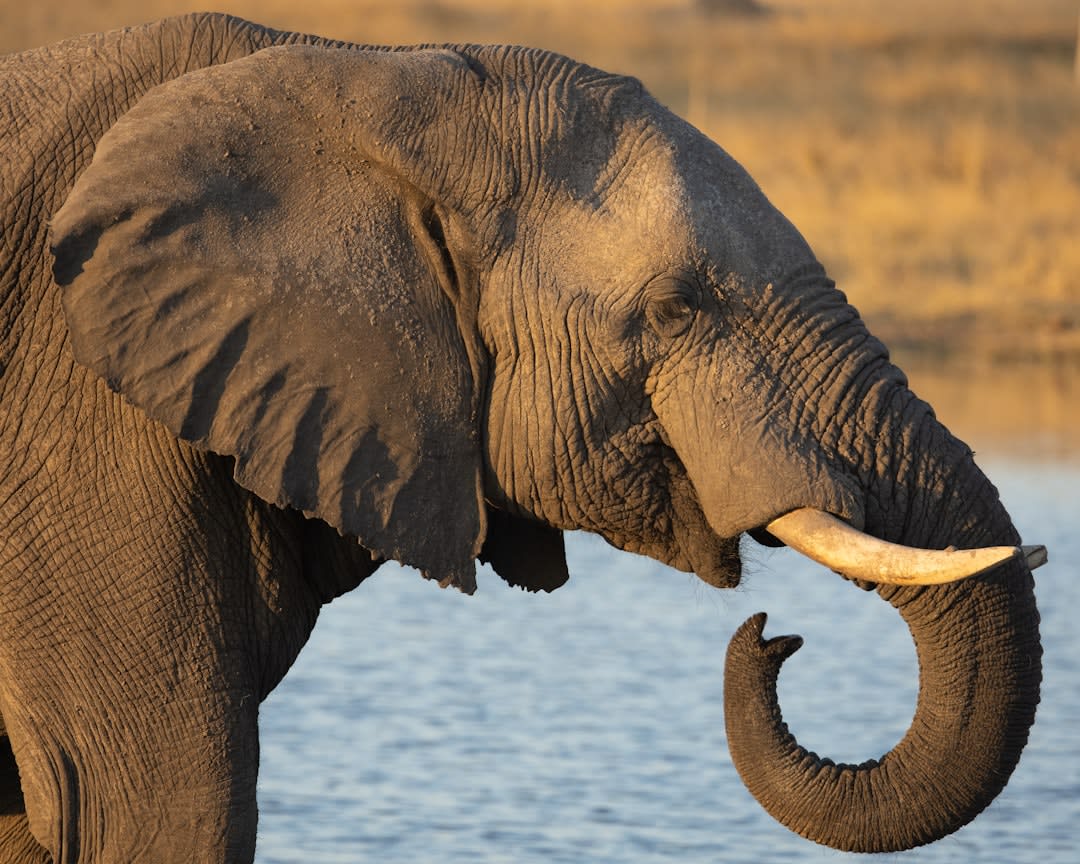
Zimbabwe’s wildlife protection depends on partnerships between ZimParks, conservation organisations, rural communities and neighbouring countries. Key work in 2026 includes protected-area management, ranger support, human–wildlife conflict reduction, rhino conservation and transboundary landscape planning.
Quick answer: Wildlife conservation in Zimbabwe is led by the Zimbabwe Parks and Wildlife Management Authority (ZimParks), working with organisations including WWF Zimbabwe, African Wildlife Foundation (AWF), IFAW, African Parks, Wild Is Life and Painted Dog Research. Their partnerships combine protected-area management, ranger operations, community conservation, species research, tourism infrastructure and cross-border planning. [1][2][3][4][5]
Progress is real but uneven. Zimbabwe still faces illegal wildlife trade, human–wildlife conflict, habitat pressure and the difficulty of financing large protected landscapes. Research around Gonarezhou National Park also shows that conservation outcomes depend not only on patrols or fences, but on effective local institutions, information-sharing, training and community cooperation. [6]
Last reviewed August 2026. Conservation data changes — see the cited sources for the latest figures.
Why conservation partnerships matter in Zimbabwe
Zimbabwe contains large national parks, conservancies, private wildlife areas and community-managed landscapes. ZimParks is the national authority tasked with protecting, managing and administering the country’s wildlife. Its conservation responsibilities include research and monitoring, international conservation affairs, joint commissions and conservation education. [1]
That mandate is extensive. African Parks reports that ZimParks manages about five million hectares, equivalent to 13% of Zimbabwe’s total land area. [5] A single government agency cannot address every need across such a large estate without external technical, financial and operational support. Partnerships therefore help provide vehicles, communications equipment, ranger infrastructure, ecological research, community programmes and landscape-level planning. [2][4][5]
The partnership model is particularly important because wildlife does not remain inside park boundaries. Elephants, predators, rhinos and African painted dogs move through connected habitats and across administrative or national borders. Zimbabwe’s conservation organisations consequently work in places such as Hwange National Park, Gonarezhou, the Savé Valley Conservancy, Matusadona National Park and the Kavango–Zambezi Transfrontier Conservation Area (KAZA). [3][4][5]
For visitors choosing a wildlife safari, this wider context matters. A safari may take place in one park, but the conservation systems supporting that experience often involve national authorities, district councils, traditional leaders, community organisations, researchers, donors and tourism operators.
Key organisations protecting Zimbabwe’s wildlife
| Organisation or partnership | Conservation role documented in the research | Important landscapes or species |
|---|---|---|
| Zimbabwe Parks and Wildlife Management Authority | National wildlife authority responsible for protection, management and administration; conducts research, monitoring and conservation education. | Zimbabwe’s national parks and wildlife estate |
| WWF Zimbabwe | Works with ZimParks, government institutions, rural district councils and communities on protected-area operations, coexistence and illegal wildlife trade. | Hwange National Park and wider landscapes |
| African Wildlife Foundation | Supports community capacity, enterprise models, wildlife-movement research and transboundary collaboration. | KAZA, Southeast Lowveld, Savé Valley Conservancy |
| IFAW | Supports Hwange infrastructure, ranger operations, de-snaring, human–wildlife conflict initiatives and a long-term ZimParks partnership. | Hwange National Park |
| African Parks | Works under a long-term mandate with ZimParks to manage Matusadona National Park. | Matusadona National Park |
| Wild Is Life and Zimbabwe Elephant Nursery | Rescues and rehabilitates young elephants orphaned through poaching and human–wildlife conflict. | Elephants in Zimbabwe |
| Painted Dog Research and partners | Conducts ecological research, GPS-collar tracking, anti-poaching work, community outreach and education. | African painted dogs |
ZimParks: the national conservation authority
ZimParks is the central public institution in Zimbabwe’s wildlife-management system. Its stated work includes research and monitoring by terrestrial ecologists and rangers, joint commissions for international conservation affairs, and education programmes focused on conservation, environmental processes and cultural heritage. [1]
External organisations generally operate alongside, rather than instead of, the national authority. WWF Zimbabwe describes decades of cooperation with ZimParks, government institutions, rural district councils and local communities. The organisation says these partnerships have supported protected-area management, human–wildlife coexistence and efforts against illegal wildlife trade. [2]
WWF Zimbabwe: equipment, coordination and Hwange support
WWF Zimbabwe has supported conservation work in Hwange National Park, including the Sinamatella area, which the organisation identifies as an important biodiversity corridor. In a documented handover, WWF provided a vehicle, tractor and information-and-communications technology equipment to improve field mobility, communication, monitoring, reporting and information management. [2]
These contributions illustrate a practical feature of conservation partnerships: effective wildlife protection requires more than a protected-area declaration. Rangers and managers need reliable transport, functioning communications and systems for recording and sharing information. WWF Zimbabwe says it has worked with ZimParks and other partners since the mid-1980s. [2]
IFAW: a long-term Hwange partnership
IFAW and ZimParks signed a 25-year agreement in 2023, with IFAW reporting a US$50 million commitment to support wildlife conservation in Hwange National Park. [4] The partnership has included ranger housing, field bases, an operations centre, road rehabilitation, radio communications, equipment, water supply and support for the veterinary unit. [7]
In the Makona southern subsector, IFAW describes a management area of 4,500 square kilometres bordering community lands and including a section of the Botswana border. The organisation reported that its first phase had invested more than US$1 million in infrastructure, training, equipment, water and operational support. [7]
The partnership also has a local employment dimension. IFAW reported that 44 community youths were employed during construction work and that 56 rangers and their families would live and work in the supported ranger facilities. It also reported that rehabilitation of a 90-kilometre road reduced travel time between Makona and Hwange Main Camp from about three and a half hours to approximately 90 minutes. [7]
IFAW’s work in Hwange also includes de-snaring with the local organisation DART. In nearby communities, an Australian Embassy Direct Aid Program-supported initiative with ZimParks, local authorities and traditional leaders is developing early-warning systems using voluntary community guardians equipped with SMART technology, alongside predator-proof bomas. [3]
African Wildlife Foundation: landscapes, livelihoods and connectivity
AWF’s Zimbabwe conservation work began in 2001. In the early 2000s, it worked in the Kazungula landscape across Zimbabwe, Botswana, Namibia and Zambia by mapping wildlife movements, developing tourism and enterprise models, building community capacity and supporting transboundary collaboration. AWF says this work helped lay foundations for KAZA. [5]
KAZA now spans Angola, Botswana, Namibia, Zambia and Zimbabwe and is described by AWF as the world’s largest land-based transboundary conservation area. AWF also supported development of a ten-year management plan for the area covering 2016–2026. [5]
AWF’s approach combines wildlife protection with human–wildlife coexistence strategies, youth enterprise training, sustainable livelihood projects and improved access to fresh water around protected areas. In the Southeast Lowveld landscape, its work in the Savé Valley Conservancy has focused on helping stabilise the rhino population. [5]
For readers interested in species-specific work, SafariFind’s guide to African wild dog conservation in Zimbabwe provides additional context on one of the country’s most conservation-dependent carnivores.
African Parks and Matusadona National Park
African Parks signed a 20-year mandate with ZimParks for Matusadona National Park in 2019. The partnership operates within the legal and institutional framework of Zimbabwe’s national wildlife authority. [5]
Long-term mandates can help align funding, infrastructure, ecological management and law-enforcement planning over several years. They also require clear accountability between the government authority, implementing organisation, communities, funders and tourism partners. The available research confirms the existence and duration of the Matusadona mandate, but it does not provide a complete 2026 assessment of its ecological outcomes; those results should therefore not be overstated. [5]
Species-focused organisations
Wild Is Life established the Zimbabwe Elephant Nursery (ZEN), described by IFAW as the country’s first elephant nursery, in 2012. IFAW supports ZEN in rescuing and rehabilitating young elephants orphaned through poaching and human–wildlife conflict. [3]
Painted Dog Research works with conservation partners on long-term ecological research, GPS-collar tracking, anti-poaching initiatives, community outreach and education. The Oklahoma City Zoo, one of its supporters, describes African painted dogs as highly vulnerable to human–wildlife conflict, habitat loss, road mortality and diseases including rabies and canine distemper. [8]
Species work is also relevant to travellers planning a wildlife safari park visit because the most visible animals are not always the conservation priority. African painted dogs, black rhinos, elephants and predators each require different combinations of habitat protection, monitoring, veterinary support, community engagement and law enforcement. IFAW identifies Zimbabwe’s black rhinos as endangered and reports that conservation efforts include anti-poaching measures and habitat protection. [3]
The main threats to wildlife
Illegal wildlife trade and poaching
Illegal wildlife trade remains a stated concern across the programmes described by WWF Zimbabwe, IFAW and African Parks. Responses include anti-poaching patrols, de-snaring, improved communications, ranger bases, evidence management, judicial support and cooperation between national and regional security partners. [2][3][5]
African Parks reports that its support for rangers and canines, communications technology, wildlife monitoring, information management, evidence-management training and judicial systems has contributed to increases in wildlife-crime convictions in the programmes it describes. The source does not provide a Zimbabwe-specific conviction total in the available research, so the result should be understood as a reported programme outcome rather than a national statistic. [5]
Human–wildlife conflict
Communities living beside parks may experience crop damage, livestock losses, threats to personal safety and competition for water. Zimbabwe’s organisations are responding through early-warning systems, community guardians, SMART technology, predator-proof bomas, water-access projects and coexistence planning. [3][5]
The institutional research around Gonarezhou is especially important. A study of 336 households in 30 communities found that stronger institutions were associated with cooperation, and that healthier wildlife populations were associated with communities showing greater cooperation. Communities with wildlife-management training or information-sharing also had more successful biodiversity outcomes in the study. [6]
The same research found that most communities performed below the desired level for institutional attributes relevant to conservation. Its policy implication was greater autonomy for CAMPFIRE communities so they can invest in effective institutions, organise themselves and manage wildlife sustainably. [6] This is a reminder that community conservation cannot be reduced to compensation or public relations: local decision-making, rights, trust and accountable benefit-sharing matter.
Habitat fragmentation and connectivity
Large-ranging species need connected landscapes. AWF’s work mapping wildlife movements and developing KAZA helped establish a transboundary approach across five countries. Hwange’s Sinamatella area is also described by WWF Zimbabwe as an important biodiversity corridor. [2][5]
Connectivity is not automatically secured by creating a park. Roads, settlements, agricultural expansion, fencing, water infrastructure and changes in land use can affect movement. Conservation organisations therefore combine protected-area management with community planning, enterprise development and cross-border coordination. The research supplied here does not quantify the current national extent of habitat loss, so this article does not present an unsupported percentage.
Climate and operational pressures
Wildlife authorities and partners must maintain water supplies, roads, ranger facilities, vehicles and communications across remote landscapes. IFAW’s Hwange programme includes game-water supply and road rehabilitation, while WWF’s support includes field vehicles and communications equipment. [2][7]
These investments point to the operational pressures of managing wildlife areas, but the supplied research does not provide a Zimbabwe-wide climate-impact figure or a current drought-loss estimate. Responsible conservation reporting should distinguish documented infrastructure needs from national claims that require separate evidence.
Community conservation and tourism’s role
CAMPFIRE is a central example of Zimbabwe’s community-based wildlife-conservation approach. The Gonarezhou study examined CAMPFIRE communities and concluded that institutional quality and cooperation influence biodiversity outcomes. [6] Community conservation is strongest when residents have meaningful roles in decisions, access to relevant information and the ability to direct conservation-related benefits.
Tourism can support this system through park fees, lodge employment, local procurement, conservation levies, guiding, community enterprises and direct partnerships. However, tourism revenue is not automatically equitable or sufficient. Conservation-finance research highlights the importance of transparent and accountable funding flows, diversified revenue sources, clear roles and responsibilities, community ownership and flexible funding. [9]
Visitors can therefore ask how a lodge, operator or wildlife safari park contributes to local communities and conservation. Useful questions include whether employment is local, whether community benefits are documented, whether the operator supports the relevant park authority or conservation programme, and whether wildlife activities follow welfare and environmental standards.
Travellers can book conservation-supporting safaris on SafariFind, while independently checking the operator’s stated conservation partnerships and community commitments. A responsible safari should present conservation as a long-term partnership rather than implying that one trip alone solves poaching, conflict or habitat pressure.
Searchers comparing Zimbabwe with the phrase “timbavati wildlife park safari train” should keep destination research precise: conservation funding, governance and wildlife-management arrangements differ between countries and landscapes. For Zimbabwe, focus on the specific park, authority, conservancy and community partnership involved.
Results and setbacks: an honest assessment
Documented achievements include the long-term IFAW–ZimParks Hwange agreement, improved ranger infrastructure and communications, the reported reduction in travel time on a key Hwange road, the establishment of ZEN, AWF’s contribution to KAZA planning and support for rhino conservation in the Savé Valley Conservancy. [3][4][5][7]
There are also important limitations. The institutional study found that most surveyed communities did not reach desired levels for the attributes that support cooperation and biodiversity outcomes. [6] Wildlife organisations continue to describe illegal wildlife trade, human–wildlife conflict and operational constraints as active challenges. [2][3][5]
Funding is another vulnerability. The conservation-finance literature identifies governance, transparent handling of money, diversified income and community ownership as important conditions for durable conservation finance. [9] A park may receive a major infrastructure investment and still need reliable recurrent funding for patrols, maintenance, monitoring, community programmes and law-enforcement coordination.
Finally, headline claims should be treated carefully. ZimParks publishes national responsibilities and conservation services; partner organisations publish project achievements; academic research tests relationships between institutions and biodiversity. These sources answer different questions and should not be combined into a single unsupported measure of national conservation success.
How travellers can help responsibly
- Choose locally connected operators. Ask whether guides, staff, suppliers and community partners are based near the safari destination.
- Support legitimate protected areas and conservancies. Confirm which authority or organisation manages the area and how visitor payments contribute to operations.
- Respect wildlife distances and rules. Do not pressure guides to approach animals, block roads, feed wildlife or create disruptive sightings.
- Ask for evidence rather than slogans. Look for named partners, published programmes, transparent community commitments and realistic descriptions of results.
- Reduce pressure on communities and habitats. Use water carefully, avoid unnecessary waste and buy appropriate locally made products where possible.
- Share accurate conservation stories. Avoid repeating unverified population figures or claims that a safari directly “saves” a species without evidence.
Zimbabwe’s conservation organisations are most effective when their roles complement one another: ZimParks provides public authority, partners contribute technical and financial capacity, researchers test what works, communities shape local institutions, and tourism helps create lawful economic value for wildlife landscapes. The central lesson from Zimbabwe’s experience is that durable conservation depends on cooperation, accountability and long-term investment—not on any single organisation acting alone.
Frequently Asked Questions
Which organisation is responsible for protecting wildlife in Zimbabwe?
The Zimbabwe Parks and Wildlife Management Authority (ZimParks) is responsible for the protection, management and administration of Zimbabwe’s wildlife. It also undertakes research, monitoring, joint conservation commissions and conservation education. [1]
What conservation organisations work with ZimParks?
Documented partners include WWF Zimbabwe, IFAW, African Wildlife Foundation, African Parks, Wild Is Life and Painted Dog Research. Their work covers protected-area operations, ranger support, community conservation, transboundary planning and species protection. [2][3][4][5][8]
What is IFAW doing in Hwange National Park?
IFAW supports ZimParks with ranger infrastructure, roads, communications, equipment, water supply, veterinary capacity, de-snaring and human–wildlife conflict initiatives. IFAW and ZimParks signed a 25-year agreement in 2023 involving a reported US$50 million commitment. [3][4][7]
What is the role of communities in Zimbabwean wildlife conservation?
Communities help govern wildlife landscapes, share information, participate in training and coexistence programmes, and develop livelihoods linked to conservation. Research around Gonarezhou found that stronger institutions and greater cooperation were associated with healthier wildlife outcomes. [6]
What is CAMPFIRE in Zimbabwe?
CAMPFIRE is a community-based wildlife-conservation approach examined in research involving communities around Gonarezhou National Park. The research recommends strengthening community autonomy so local institutions can organise and manage wildlife sustainably. [6]
How does tourism support wildlife conservation in Zimbabwe?
Tourism can provide income through park fees, employment, local procurement, guiding, community enterprises and conservation levies. Its benefits depend on transparent funding, accountable partnerships, community participation and diversified conservation finance. [9]
Which organisation manages Matusadona National Park?
African Parks signed a 20-year management mandate with the Zimbabwe Parks and Wildlife Management Authority for Matusadona National Park in 2019. [5]
What is the Zimbabwe Elephant Nursery?
The Zimbabwe Elephant Nursery was established by Wild Is Life in 2012 and is described by IFAW as Zimbabwe’s first elephant nursery. IFAW supports its rescue and rehabilitation work for young elephants orphaned through poaching and human–wildlife conflict. [3]
Why is KAZA important for Zimbabwe’s wildlife?
KAZA connects conservation planning across Angola, Botswana, Namibia, Zambia and Zimbabwe. AWF contributed to wildlife-movement research, community capacity-building and development of a ten-year KAZA management plan for 2016–2026. [5]
How can visitors support conservation in Zimbabwe?
Visitors can choose responsible operators, follow wildlife-viewing rules, ask how tourism revenue is used, support locally connected businesses and look for named, transparent conservation partnerships. They should avoid unverified claims about conservation results.


