Cheetah Conservation in Zambia: Status and Action in 2026
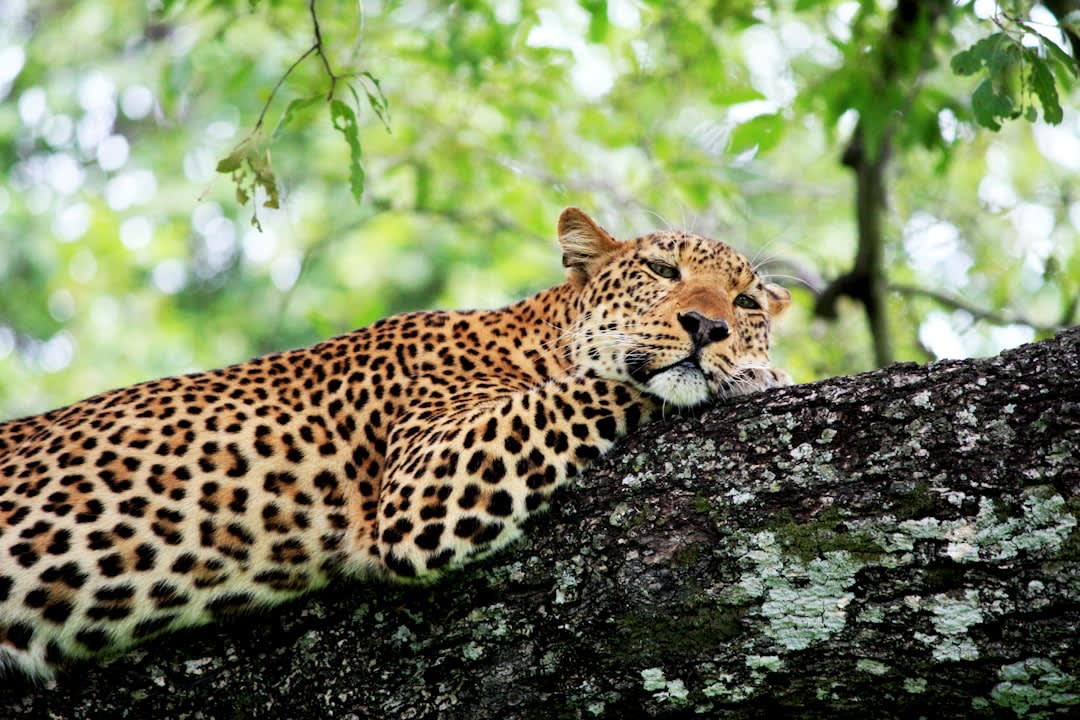
Cheetahs remain Vulnerable globally, with fewer than 6,700 in the wild, but Zambia is supporting recovery through protection, research and reintroduction. Kafue, Liuwa Plain, Bangweulu and the Greater Luangwa Ecosystem are central to this work.
Quick answer: Cheetahs (Acinonyx jubatus) are listed as Vulnerable, with fewer than 6,700 animals estimated to remain in the wild across Africa. In Zambia, conservation is focused on protecting the country’s largest known population in Kafue National Park, maintaining smaller populations such as Liuwa Plain’s, and restoring cheetahs to the Greater Luangwa Ecosystem after their disappearance from the landscape. [1][2]
Last reviewed August 2026. Conservation data changes — see the cited sources for the latest figures.
Zambia’s cheetah story is important because the country contains part of the largest remaining southern African range for the species, yet its cheetahs occur at low densities across very large landscapes. The 2017 range-wide assessment recorded an estimated 65 cheetahs in the Kafue population, including 55 inside protected areas, across a resident range of 26,222 square kilometres. The same assessment estimated 20 cheetahs in Liuwa Plain. [3][4]
For travellers planning a Zambia safari, this means that seeing a cheetah is never guaranteed. It also explains why well-managed protected areas, connected habitats, reliable prey and long-term monitoring matter more than isolated sightings.
Why cheetah conservation matters in Zambia
Cheetahs are specialised predators of open grasslands, savannahs and open woodlands. They need extensive areas in which to hunt and disperse, and their home ranges can exceed 3,000 square kilometres. Recorded densities are low, sometimes below 0.02 cheetahs per square kilometre. [3][5]
Zambia’s large protected landscapes offer the space that this ecology requires. Kafue National Park contains flooded grasslands, riverine vegetation and open habitats associated with the Kafue and Lufupa Rivers. The park has 21 antelope species and is described by Panthera as hosting Zambia’s largest cheetah population. [6]
Liuwa Plain National Park has a distinctive conservation history. Since the nineteenth century, the people of Barotseland were appointed as custodians of the park and its wildlife by King Lubosi Lewanika. In 2019, two additional groups of cheetahs were found there, bringing the estimated population to around 18–20 animals. [1]
Elsewhere, conservationists are rebuilding lost range. Confirmed cheetah sightings in the Greater Luangwa Ecosystem had not been recorded since 1998. In July 2026, Zambia’s Department of National Parks and Wildlife, the Endangered Wildlife Trust and other partners moved six cheetahs—three males and three females—from private reserves in South Africa to a remote part of North Luangwa National Park. [7][8]
The reintroduction is significant because North Luangwa and South Luangwa form part of a wider ecosystem where conservation work has helped maintain healthy prey populations for large carnivores. However, reintroduction is the beginning of a recovery programme, not proof that a self-sustaining population has already been established. [8]
The main threats to cheetahs in Zambia
Prey depletion and illegal bushmeat hunting
Cheetahs depend on sufficient prey, particularly medium-sized antelope and other animals found in open habitats. In Kafue, the illegal bushmeat trade has contributed to prey depletion, while poverty and complex local and international drivers make the problem difficult to solve. Reduced prey availability can leave female cheetahs in poor body condition and delay their ability to reproduce after losing cubs. [9]
Prey loss also affects the wider predator community. The Zambian Carnivore Programme has documented the challenge of rebuilding Kafue’s prey and predator populations, while ranger and partner efforts have reduced snaring in parts of the park. Recovery remains dependent on sustained protection and addressing the causes of illegal hunting. [9]
Habitat loss and fragmentation
Habitat conversion, land-use change and fragmentation reduce the continuous space available to cheetahs. Fragmented habitat can restrict movement between populations and increase the likelihood of encounters with people, roads, livestock and competing predators. Habitat loss and changes in land use are recognised threats to cheetahs across their range. [2][10]
Because cheetahs naturally occur at low densities and use large areas, a protected island may not be enough. Conservation planning therefore needs to consider surrounding community lands, dispersal routes and ecological corridors. Zambia’s broader approach to protected-area partnerships and community conservation is relevant to this challenge; SafariFind’s guide to community conservancies in Zambia provides additional context.
Snaring, poaching and illegal trade
Cheetahs can be caught in wire snares set for bushmeat, even when they are not the intended target. The Zambian Carnivore Programme described rescuing a snared cheetah in Kafue, where snaring and prey depletion affect predator survival. Rangers and conservation organisations are working to improve patrols, monitoring and law enforcement. [9]
Cheetahs are also affected by illegal wildlife trade, including the capture and smuggling of cubs for the exotic-pet market. The Cheetah Conservation Fund has identified demand, particularly from Gulf States, as part of a wider illegal trade threat, alongside habitat loss, game fencing and political instability. [11]
Conflict with livestock keepers
Where agricultural land and livestock overlap with cheetah habitat, livestock losses can lead to persecution. Competition with other species and conflict with farmers over livestock are recognised threats to African cheetahs. [2]
Effective responses require more than removing individual animals. They include verifying whether a cheetah was responsible for a reported loss, improving livestock husbandry, protecting prey and ensuring that local communities have a meaningful role in decisions about wildlife. The broader principle is consistent with Zambia’s conservation partnerships: durable protection depends on combining ecological security with community benefits and practical conflict mitigation. [9][12]
Roads, disease and other pressures
Road mortality is an additional risk in landscapes where roads cross wildlife habitat. In Kafue, the Zambian Carnivore Programme has worked with government to plan more speed bumps on a road associated with substantial roadkill. [9]
The Greater Luangwa reintroduction also reflects the importance of disease and habitat history. The Endangered Wildlife Trust’s fact sheet attributes the disappearance of cheetahs from the ecosystem to successive anthrax outbreaks and habitat disturbance. [7]
Climate change is not quantified in the supplied Zambia research, but broader cheetah assessments identify changing environmental conditions among the pressures that can interact with habitat, prey and water availability. The prudent conservation response is to protect large, connected landscapes and monitor ecological change rather than rely on a single intervention. [5][13]
What is being done to protect cheetahs
Protected-area management and ranger protection
Zambia’s Department of National Parks and Wildlife is working with conservation partners to improve protection in major wildlife landscapes. In Kafue, the partnership includes Game Rangers International, Musekese Conservation, Panthera, Wildlife Crime Prevention, the Zambian Carnivore Programme and African Parks. [6]
From 2018 to 2022, this coordinated protection approach in the Greater Kafue Ecosystem combined ranger support, technology and scientifically informed management. Panthera’s case study records approximately 240 wildlife police officers and related scouts in 2021 across the Kafue-focused programme area. The reported annual funding in the peak year, 2021, was approximately $4,730,748 for 22,400 square kilometres. [6]
These inputs are not a guarantee of permanent recovery. Patrol capacity must be maintained, illegal hunting drivers must be addressed and wildlife populations must be monitored over time. They do, however, provide the security platform on which cheetah recovery depends. SafariFind’s article on protecting Zambia’s national parks explains why landscape-level management is important for multiple species.
Research, camera traps and individual monitoring
Scientific monitoring helps conservationists determine where cheetahs occur, whether cubs survive and how animals move through a landscape. The 2018 Kafue study used systematic camera trapping to establish baseline information on carnivore populations. [6]
For reintroduced animals, photographs, camera traps, direct sightings and natural signs such as spoor and scent-marking sites can help identify individuals, mothers, cubs and male coalitions. This information supports decisions about movement, survival, connectivity and future releases. [14]
The reintroduction to Greater Luangwa is planned in stages. Six animals were moved in July 2026, another six were scheduled for August 2026, and a third group of six was planned for August 2027, according to the Endangered Wildlife Trust statement reported by Mongabay. [7]
Reintroductions and translocations
African Parks reports that cheetahs are present in nine of the 19 parks under its management, including Liuwa Plain and Bangweulu in Zambia. It also reports that cheetahs were reintroduced to Bangweulu after decades of poaching had eliminated them there. [1]
Translocations can restore a species to part of its historic range, but they require suitable habitat, prey, security, veterinary planning, genetic and demographic considerations, and long-term post-release monitoring. The Greater Luangwa project is therefore best judged by future evidence of survival, breeding and establishment—not by the number of animals released alone. [7][8]
Results and setbacks: what the evidence shows
| Landscape or assessment | Evidence reported | What it means |
|---|---|---|
| Kafue National Park | Estimated 65 cheetahs in the 2017 range-wide assessment; 55 were estimated inside protected areas. [3] | Kafue is a key Zambian stronghold, but the population is small relative to the park’s size and requires continued protection. |
| Liuwa Plain National Park | Two additional groups found in 2019; total estimated at around 18–20 animals. [1] | The population appears to have benefited from conservation, although the available figure is an estimate rather than a current census. |
| Greater Luangwa Ecosystem | Six cheetahs were reintroduced in July 2026, with further releases planned. [7] | Historic range is being restored, but establishment and breeding remain future conservation tests. |
| Kafue protection programme | Snaring decreased through ranger efforts, while prey depletion and illegal bushmeat hunting remained challenges. [9] | Protection has produced encouraging signs, but the underlying pressures have not disappeared. |
The wider picture is mixed. Liuwa Plain’s reported cheetah population and the Greater Luangwa reintroduction are positive developments, while Kafue benefits from coordinated ranger and research investment. At the same time, cheetahs remain vulnerable to prey loss, habitat fragmentation, snaring, conflict, roadkill and illegal trade. Range-wide evidence indicates decline across many cheetah populations, and a 2023 African Carnivore Initiative summary reported that 14 of 18 assessable populations were decreasing, three were stable and one was stable or increasing. [4]
Cheetah conservation should therefore be measured through a combination of indicators: adult and cub survival, breeding, prey recovery, reduced snaring, secure habitat, community outcomes and connectivity between populations. A single sighting or release cannot answer all of those questions.
Community and tourism’s role
Communities living around protected areas experience both the costs and potential benefits of wildlife conservation. Illegal bushmeat hunting has complex drivers, and ecosystem recovery could create sustainable local employment opportunities, according to the Zambian Carnivore Programme. [9]
Tourism can contribute when operators work within legal park systems, employ local people, support conservation partners and communicate wildlife behaviour responsibly. Travellers should ask how a safari company contributes to park fees, conservation levies, local employment and community programmes rather than assuming that every wildlife safari produces the same conservation benefit.
Visitors should also avoid pressuring guides to approach cheetahs too closely, especially females with cubs. Responsible viewing reduces disturbance and supports the value of maintaining wild behaviour. Those planning a broader itinerary can read SafariFind’s guide to lion conservation in Zambia, because the same landscapes often require coordinated protection for several large-carnivore species.
Travellers can book conservation-supporting safaris on SafariFind, while checking the individual operator’s policies and the destination’s current conservation arrangements.
How travellers can help responsibly
- Choose transparent operators: Ask what conservation fees are included, which organisations or park authorities receive support, and how local communities benefit.
- Follow guide instructions: Keep a respectful distance, remain quiet around animals and never request an unsafe approach or off-road manoeuvre.
- Do not buy wildlife products: Avoid souvenirs made from wild animals and never support the keeping, handling or photographing of cheetah cubs as pets or attractions. Illegal capture for the exotic-pet trade is a documented threat. [11]
- Support habitat protection: Donations to reputable organisations working with DNPW, ranger teams, scientific researchers and communities can support the long-term work behind wildlife sightings.
- Share accurate information: Cheetahs are not simply fast animals in need of rescue; they require prey-rich, connected landscapes, effective law enforcement and coexistence measures.
- Plan with realism: A cheetah sighting is never guaranteed. Supporting the ecosystem, rather than demanding a particular animal encounter, is the more responsible approach.
Zambia’s cheetah conservation outlook in 2026 is cautiously hopeful but unresolved. Kafue remains a critical stronghold, Liuwa Plain demonstrates the value of long-term protection, Bangweulu shows how reintroduction can restore lost populations, and Greater Luangwa marks an ambitious return after decades without confirmed sightings. Success will depend on whether these initiatives secure prey, habitat, safe movement routes and community support for the years beyond the release or survey that first attracts attention.
Frequently Asked Questions
Are cheetahs endangered in Zambia?
The supplied research does not provide a separate national IUCN category for Zambia. Globally, cheetahs are listed as Vulnerable, with fewer than 6,700 remaining in the wild, and several Zambian populations face habitat loss, prey depletion, snaring and conflict. [1][2]
Where can you see cheetahs in Zambia?
Cheetahs are reported in Kafue National Park, Liuwa Plain National Park and Bangweulu. In 2026, cheetahs were also reintroduced to North Luangwa National Park as part of the Greater Luangwa restoration project. Sightings are not guaranteed. [1][6][7]
How many cheetahs are in Kafue National Park?
A 2017 range-wide assessment estimated 65 cheetahs in the Kafue population, including 55 inside protected areas. This is an assessment estimate, not a current 2026 census. [3]
How many cheetahs are in Liuwa Plain?
African Parks reported that two new groups found in 2019 brought Liuwa Plain’s estimated cheetah population to around 18–20 animals. [1]
Why did cheetahs disappear from the Greater Luangwa Ecosystem?
The Endangered Wildlife Trust attributes their disappearance to successive anthrax outbreaks and habitat disturbance. Confirmed sightings had not been recorded since 1998 before the 2026 reintroduction. [7]
What happened in Zambia’s 2026 cheetah reintroduction?
Six cheetahs—three males and three females—were moved from private reserves in South Africa to North Luangwa National Park in July 2026. Further groups were planned for August 2026 and August 2027. [7][8]
What are the biggest threats to cheetahs in Zambia?
The main documented threats are habitat loss and fragmentation, declining prey caused partly by illegal bushmeat hunting, snaring, conflict with livestock keepers, roadkill, disease and illegal wildlife trade. [2][7][9][11]
How does tourism help cheetah conservation in Zambia?
Tourism can help when operators support park systems, conservation partners, local employment and community programmes. Travellers should ask operators for specific information about fees, partnerships and local benefits rather than assuming every safari contributes equally.
Can I help cheetahs while visiting Zambia?
Yes. Choose transparent operators, follow wildlife-viewing rules, avoid wildlife-product purchases and cub-handling attractions, and support reputable organisations working on habitat, ranger protection, research and community conservation. Illegal capture for the exotic-pet trade is a recognised threat. [11]
Is seeing a cheetah guaranteed on a Zambia wildlife safari?
No. Cheetahs occur at low densities and use very large home ranges, so sightings are never guaranteed, even in important landscapes such as Kafue or Liuwa Plain. [3][5]