Ask Tembo
Cheetah Conservation in South Africa (2026): Status and Action
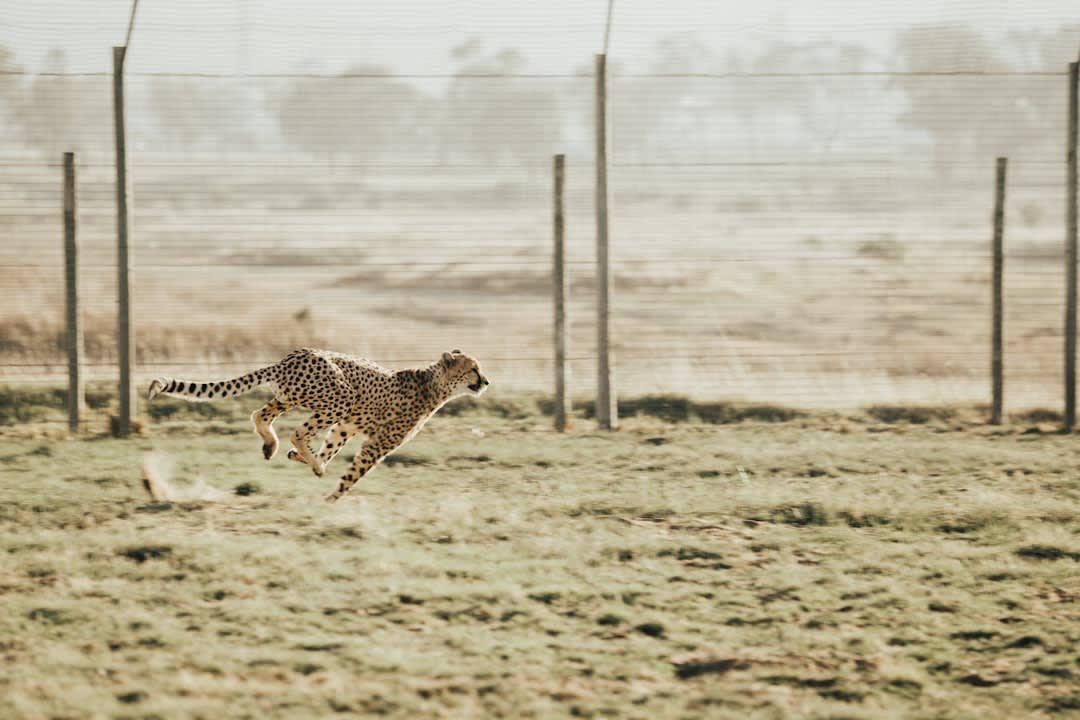
South Africa's wild cheetah population is estimated at 1,409 individuals, but its free-roaming population has fallen to fewer than 100 mature cheetahs according to the first coordinated national census. Conservation now depends on protecting connected habitat, reducing conflict and managing fenced-reserve populations responsibly.
Quick answer: Cheetah conservation in South Africa is at a critical turning point. The national wild population is estimated at 1,409 cheetahs, but the latest coordinated census found fewer than 100 mature cheetahs living outside protected areas; the country's free-roaming population is therefore much smaller than previous estimates suggested [1][3]. South Africa's conservation response combines protected areas, a genetically managed metapopulation on fenced reserves, conflict reduction, research and stronger monitoring, but habitat fragmentation, persecution and capture-related deaths remain serious threats [1][2].
Last reviewed July 2026. Conservation data changes — see the cited sources for the latest figures.
Why cheetah conservation matters in South Africa
The cheetah (Acinonyx jubatus) is listed as Vulnerable by the IUCN and included in Appendix I of CITES, which provides the species with the highest level of international trade protection [4]. Southern Africa remains one of the cheetah's most important strongholds, with the southern African subspecies occurring across South Africa and neighbouring countries including Namibia, Botswana, Zimbabwe, Zambia and Mozambique [2].
South Africa is important because its cheetahs survive in several different management settings. These include naturally occurring populations in large protected areas such as Kruger National Park (KNP) and the Kgalagadi Transfrontier Park (KTP), reintroduced populations on small and medium-sized fenced reserves, and free-ranging cheetahs outside formally protected areas [1][2]. A fourth group is held in captivity, which must be distinguished from wild populations when conservation figures are discussed [1].
The country's landscape also illustrates the wider challenge facing the species. Cheetahs require extensive areas in which to hunt, disperse and reproduce, yet much of their remaining range lies outside protected areas. Across the species' surviving range, 77% of resident range is unprotected and supports an estimated 67% of the population [5]. In South Africa, suitable cheetah habitat is estimated at between 90,470 and 125,150 square kilometres, of which approximately 55,654 square kilometres falls inside formally protected areas [1].
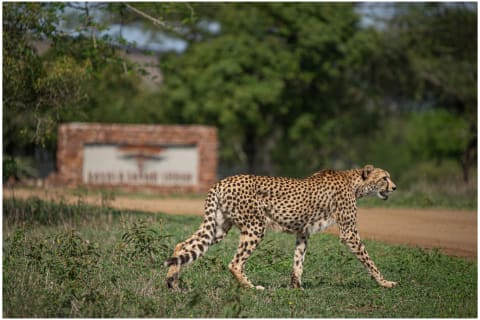
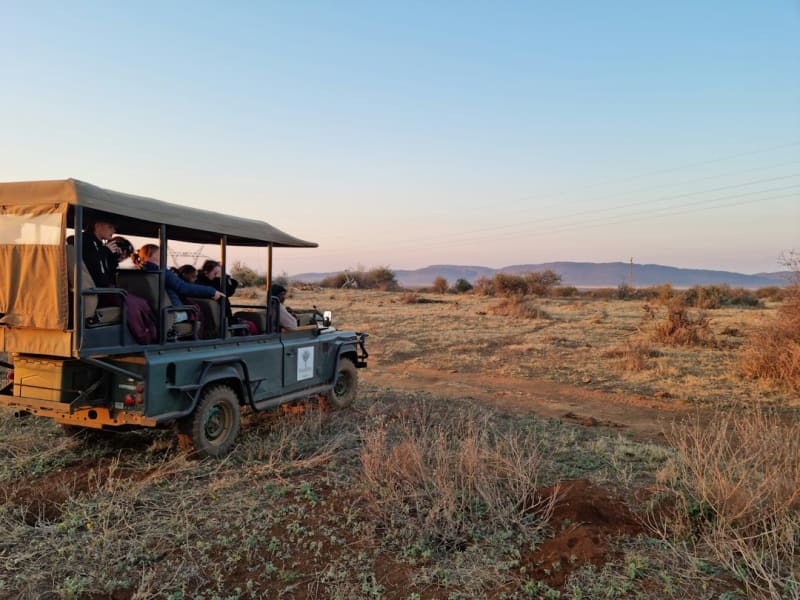
For visitors planning a South Africa safari guide, this distinction matters. Seeing a cheetah in a well-managed reserve is valuable, but a sighting does not by itself indicate that free-ranging populations are secure across the country.
South Africa's cheetah population in 2026
Available estimates describe different components of the national population and should not be added together without checking their definitions. The most detailed South African assessment estimates 1,409 wild cheetahs, with a range of 1,166 to 1,742 individuals [1]. It identifies three broad wild-population groups: large protected areas, the managed metapopulation in fenced reserves, and free-ranging cheetahs outside protected areas [1].
| Population or management setting | Latest figure in the research | What it means |
|---|---|---|
| South African wild population | 1,409 individuals, estimated range 1,166–1,742 | National estimate covering the principal wild management contexts [1] |
| Kruger National Park | 412 cheetahs in the SANBI assessment | Estimate for a naturally occurring population in a large protected area [1] |
| South African Kgalagadi Transfrontier Park | Approximately 46 mature cheetahs | Estimate reported for the South African section [1] |
| Fenced reserves | 491 cheetahs in 66 reserves at the end of 2021 | Collectively managed as a conservation metapopulation [1] |
| Free-ranging population | Fewer than 100 mature cheetahs in the 2022–2026 census | Latest coordinated assessment of cheetahs outside protected areas [3] |
The figures for Kruger and Kgalagadi differ between sources because some assessments report all individuals while others report mature or resident cheetahs. The Endangered Wildlife Trust, for example, reports approximately 116 mature cheetahs in Kruger and around 80 resident cheetahs in the South African section of Kgalagadi [2]. These are not necessarily contradictions; they use different population definitions and survey approaches.
The main threats to cheetahs in South Africa
Habitat loss and fragmentation
Development, infrastructure and changing land use divide large landscapes into smaller, less connected areas. The 2026 free-roaming census surveyed almost 100,000 square kilometres over more than three and a half years, using camera traps, GPS collars, landowner surveys, genetic analyses, scat sampling and public sighting records [3]. Researchers confirmed cheetahs in less than half of the habitat currently defined as suitable by the IUCN and called for habitat maps to be revised using current field data [3].
Fragmentation is especially damaging for an animal that may need very large home ranges. Across Africa, cheetah home ranges exceeding 3,000 square kilometres have been documented, while population densities are generally low [5]. In practical terms, isolated patches can restrict dispersal, reduce genetic exchange and increase the likelihood of conflict when animals move through working farms or game ranches.
Persecution and livestock conflict
Persecution by landowners is identified as a primary threat in South Africa. Landowners may kill cheetahs to protect livestock or valuable game animals from predation [1]. The latest free-roaming census also identifies persecution by landowners who perceive cheetahs as threats to livestock as one of the biggest threats to the remaining population [3].
Conflict cannot be addressed only through enforcement. It requires practical coexistence measures, reliable information about individual animals and engagement with farmers and game-ranch owners. The broader cheetah literature identifies human–wildlife conflict as particularly severe outside protected areas, where animals face more exposure to human land use and fewer formal protections [5].
Illegal capture and captive trade
Illegal removal of live cheetahs for the captive trade is another primary South African threat identified by SANBI [1]. The same assessment estimates that more than 600 captive cheetahs were held in approximately 68 facilities in eight provinces, a figure that demonstrates why captive and wild populations must be reported separately [1]. Captive holdings do not compensate for the loss of free-ranging animals or replace functioning wild populations.
Cheetahs are listed in CITES Appendix I, and the IUCN Cat Specialist Group identifies illegal trade as one of the species' main threats [4]. Responsible conservation therefore requires transparent records, lawful permitting, careful welfare standards and a clear distinction between education, rescue, breeding and genuine wild-population recovery.
Snaring, prey depletion and fencing
Snaring and habitat destruction are additional threats in South Africa [1]. The IUCN Cat Specialist Group also identifies prey depletion caused by overhunting, bushmeat harvesting and illegal trade as a major pressure on cheetahs across their range [4]. When natural prey declines, livestock predation and conflict can become more likely [4].
SANBI further identifies the increasing prevalence of predator-proof fencing around some game farms as a concern [1]. Fencing can help protect wildlife and livestock in particular settings, but poorly planned or poorly connected fences can restrict movement and make a fragmented population even more isolated. The most appropriate approach depends on the reserve's size, surrounding land use, species mix and monitoring capacity.
Climate pressure
Climate change is an important consideration for long-term landscape planning, but the South African sources supplied for this article do not provide a current national cheetah population figure attributable specifically to climate change. The clearest documented pressures in the 2026 evidence are habitat fragmentation, persecution, illegal live capture, snaring, fencing and prey-related pressures [1][3][4]. Conservation decisions should therefore address these measurable threats while maintaining connected, resilient habitat.
What is being done to protect cheetahs?
The managed cheetah metapopulation
South Africa's managed cheetah metapopulation strategy was launched in 2009 after earlier collaboration between conservation organisations, researchers and farming representatives [6]. The Endangered Wildlife Trust and its partners coordinate a network of fenced reserves in which cheetahs can be managed cooperatively, monitored and used for carefully planned reintroduction and restoration efforts [2].
This model gives fragmented reserves a collective conservation purpose. Animals can be moved between participating reserves to support demographic and genetic management, rather than treating every fenced population as an isolated collection. However, SANBI identifies capture-related mortality associated with translocations between reserves as the main threat to the metapopulation [1]. Movement is therefore a conservation tool that requires strong veterinary protocols, experienced teams, accurate records and evidence that each transfer is justified.
Protected-area conservation
Kruger National Park and Kgalagadi Transfrontier Park retain naturally occurring cheetah populations in large protected landscapes [1]. Protected areas reduce some forms of persecution and provide safer habitat, although they do not eliminate competition with other predators, prey fluctuations, disease risks, fencing concerns or the need for effective monitoring.
Protected-area management is part of the wider national picture described in Protecting South Africa's National Parks: Conservation in 2026. For cheetahs, the strongest outcome comes when national parks are connected to compatible surrounding land uses rather than functioning as isolated islands.
A question about South Africa? Ask Tembo
Research and coordinated monitoring
The Free-Roaming Cheetah Census brought together Ashia Cheetah Conservation, the Cheetah Outreach Trust and the University of Groningen [3]. Its use of multiple methods—camera traps, collars, genetic material, scat and public records—shows why cheetah monitoring cannot rely only on opportunistic safari sightings.
The census provides a more cautious baseline for the free-roaming population and supports calls for a coordinated national plan [3]. Cheetah Outreach also uses education and resident cheetah ambassadors to explain conservation issues to the public, while the Cheetah Conservation Fund reports cooperation in South Africa with the National Cheetah Monitoring Program and the De Wildt Cheetah Research Center [7].
Community, safari tourism and conservation
Safari tourism can support conservation through park fees, lodge concessions, employment, research partnerships, conservation levies and community-linked programmes. The exact financial contribution varies by park, operator and booking structure, so travellers should ask how a lodge or tour company directs money and whether local communities participate in decisions and benefits.
Tourism also creates a reason to protect living cheetahs and their habitat. A responsible safari does not guarantee a sighting, chase animals or pressure guides to leave roads or disturb wildlife. Instead, it supports professional guiding, follows park rules and recognises that cheetah conservation includes animals that visitors never see.
Community-based land management is especially relevant for free-ranging cheetahs, whose remaining habitat often lies beyond formal reserves. Travellers can learn more about this wider approach in Community Conservancies in South Africa: 2026 Guide. Travellers can book conservation-supporting safaris on SafariFind, while checking each provider's stated conservation and community commitments before booking.
Results and setbacks: a balanced assessment
South Africa's metapopulation model is a genuine conservation achievement because coordinated management has created a network of fenced reserves that can contribute to reintroductions and restoration [2]. Large protected areas continue to support naturally occurring cheetahs, and the national research community now has a stronger evidence base for the free-roaming population [1][2][3].
The setbacks are equally important. The latest census found fewer than 100 mature free-roaming cheetahs, far below earlier estimates for this group [3]. Researchers detected cheetahs in less than half of currently mapped suitable habitat and identified habitat fragmentation and landowner persecution as major threats [3]. SANBI also describes the national population as reduced but currently stable, while warning about illegal live capture, snaring, fencing and translocation-related mortality [1]. "Stable" should therefore not be interpreted as secure: a small or fragmented population can remain vulnerable even when its short-term trend is not declining.
How travellers can help responsibly
- Choose transparent operators. Ask whether your safari fees support protected-area management, community programmes, research or conservation levies, and look for specific explanations rather than broad claims.
- Respect viewing rules. Keep a sensible distance, avoid blocking an animal's path and never encourage a guide to pursue or crowd a cheetah.
- Do not support inappropriate contact experiences. Avoid activities that allow touching, handling or close posing with cheetahs unless the organisation can demonstrate lawful, welfare-led and conservation-relevant standards.
- Be careful with photography and location sharing. Do not publish precise den, cub or vulnerable-animal locations when doing so could increase disturbance or risk.
- Support habitat and community work. Prefer lodges and reserves that employ local residents, contribute to surrounding communities and explain how coexistence with wildlife is managed.
- Keep expectations realistic. A cheetah sighting is a privilege, not a service guarantee. Ethical tourism values the protection of the landscape whether or not an animal appears.
South Africa still has the institutions, protected landscapes and conservation partnerships needed to protect cheetahs. The priority for 2026 is to convert those assets into a coordinated national response that protects the last free-roaming animals, reduces persecution, improves habitat connectivity and ensures that translocations and captive facilities serve conservation rather than substitute for it.
Frequently Asked Questions
How many cheetahs are left in South Africa in 2026?
The national wild cheetah population is estimated at 1,409 individuals, with an estimated range of 1,166 to 1,742 [1]. The latest coordinated census found fewer than 100 mature cheetahs in the free-roaming population outside protected areas [3].
Are cheetahs endangered in South Africa?
Cheetahs are listed as Vulnerable by the IUCN and protected from international commercial trade through CITES Appendix I [4]. In South Africa, the national population is described as reduced but currently stable, while the free-roaming population is in steep decline and faces severe fragmentation and persecution [1][3].
Where can you see cheetahs in South Africa?
Naturally occurring cheetah populations occur in Kruger National Park and the Kgalagadi Transfrontier Park, while managed populations occur across small and medium-sized fenced reserves [1][2]. Sightings are never guaranteed and should not be used as a measure of national population health.
What is the biggest threat to cheetahs in South Africa?
The main documented threats are habitat fragmentation, persecution by landowners, illegal capture for the captive trade, snaring, habitat destruction, predator-proof fencing and mortality linked to translocations between reserves [1][3].
How many cheetahs live in Kruger National Park?
The SANBI assessment estimates 412 cheetahs in Kruger National Park [1]. A separate Endangered Wildlife Trust source reports approximately 116 mature cheetahs, reflecting a different population definition and survey measure [2].
What is South Africa's cheetah metapopulation?
It is a cooperatively managed population of cheetahs living across a network of small and medium-sized fenced reserves. The strategy was launched in 2009, and the SANBI assessment recorded an estimated 491 cheetahs in 66 such reserves at the end of 2021 [1][6].
Does safari tourism help cheetah conservation in South Africa?
It can help when visitor spending supports protected-area management, research, conservation levies, employment and community programmes. Travellers should verify how each lodge or operator directs its conservation contribution because tourism benefits vary by destination and business.
Is it ethical to visit a captive cheetah facility?
It depends on the facility's purpose, welfare standards, legal status, transparency and conservation value. Captive cheetahs must not be confused with wild populations; SANBI estimates more than 600 captive cheetahs in about 68 facilities in South Africa [1].
What can travellers do to help cheetahs?
Choose transparent conservation-supporting operators, follow wildlife-viewing rules, avoid touching or posing with cheetahs, do not share sensitive locations and support lodges or programmes that demonstrate community and habitat benefits.
Why is the free-roaming cheetah population declining?
The latest census links the decline primarily to habitat fragmentation caused by development and infrastructure and to persecution by landowners who regard cheetahs as threats to livestock [3]. SANBI also identifies illegal live capture, snaring, habitat destruction and fencing as important pressures [1].
Trips that match this guide