
 Ask Tembo
Safari Guides•16 min read
Burundi Wildlife Safari: 12 Animals to See This July
Discover Burundi Wildlife Safari: 12 Animals to See This July - Expert guide to safari tourism and wildlife destinations.
Trips that match this guide
Discover Burundi Wildlife Safari: 12 Animals to See This July - Expert guide to safari tourism and wildlife destinations.

Discover Kafue Night Drive Packages 2027: Prices and Booking - Expert guide to safari tourism and wildlife destinations.
Discover Blyde River Canyon Tours 2027: Packages and Prices - Expert guide to safari tourism and wildlife destinations.
SafariFind app
Keep up with your inquiries and bookings, and message operators wherever you are.

Discover Bumi Hills Beach Packages 2027: Prices and Booking - Expert guide to safari tourism and wildlife destinations.
Last updated: July 2026
July brings dry-season wildlife viewing to Burundi’s forests, rivers, and lake shores.
A Burundi wildlife safari in July focuses on chimpanzees and other primates in Kibira National Park, plus hippos, crocodiles, and birds in Rusizi National Park. In 2026, a 4–7-day safari costs about $1,200–$2,500 per person. June to September is the best period for wildlife viewing, with Lake Tanganyika adding a relaxing finish. [3]
A Burundi wildlife safari in July is a guided trip through Kibira and Rusizi national parks. The experience combines forest tracking, river viewing, birdwatching, and time beside Lake Tanganyika. July falls within the June–September period that SafariFind identifies as the best season for wildlife viewing. [3]
Burundi is best known for varied habitats rather than one famous “Big Five” circuit. Kibira offers forest wildlife and primates. Rusizi brings you close to hippos, crocodiles, and many bird species. A five-day route can also include the Rusizi River, Lake Tanganyika, chimpanzee tracking, and a visit to the Livingstone Memorial. [1]
Quick answer: July is a strong month for a Burundi wildlife safari because the country’s key parks sit within the dry-season travel window. Choose Kibira for chimpanzees and monkeys. Choose Rusizi for hippos, crocodiles, and birds. Allow four to seven days and budget $1,200–$2,500 per person in 2026. [3]
Kibira National Park is described as covering more than 40,000 hectares. The park supports more than 200 bird species and provides a forest setting for chimpanzees, baboons, and black-and-white colobus monkeys. [5] The habitat also supports sightings of red-tailed monkeys and blue monkeys, according to safari information about Burundi. [6]
Rusizi National Park is known for river and wetland scenes. Hippos, crocodiles, and diverse bird species are central wildlife targets there. The meeting point of the Rusizi River and Lake Tanganyika adds a clear geographic highlight to a guided route. [1]
July gives travelers a practical balance between wildlife viewing and outdoor time. SafariFind lists June through September as the best period for wildlife viewing in Burundi. [3] The month also suits a route that combines early park drives with lake activities later in the day.
Lake Tanganyika is more than a transport landmark on some itineraries. A five-day program can include swimming, beach volleyball, and leisure beside the lake. [1] This mix works well for travelers who want wildlife without spending every day in a vehicle.
Compare 4–7-day Burundi wildlife safari packages from $1,200 and review available routes, operators, and trip details on SafariFind.
Burundi’s July wildlife list includes forest primates, river animals, and large water birds. Kibira is the main primate destination, while Rusizi is the stronger choice for hippos, crocodiles, and wetland birdwatching. Sightings are never guaranteed, so use this list as a focused search guide rather than a promise.
| Name | Where to look | Best for | July focus |
|---|---|---|---|
| Chimpanzee | Kibira forest | Primate tracking | Quiet forest walks |
| Hippopotamus | Rusizi waterways | River wildlife | Early viewing |
| Nile crocodile | Rusizi River areas | Reptile watching | Riverbank scans |
| Olive baboon | Kibira forest edges | Social primates | Open clearings |
| Black-and-white colobus | Kibira canopy | Forest monkeys | Canopy watching |
| Red-tailed monkey | Kibira forest | Small primates | Guided forest walks |
| Blue monkey | Kibira forest | Primate variety | Tree-line searches |
| Shoebill | Wetland bird habitats | Rare bird interest | Patient birdwatching |
| African fish eagle | Lake and river areas | Large water birds | Open-water scans |
| Pelican | Waterbird habitats | Birdwatching | Lake-edge viewing |
| Heron | River and wetland areas | Shorebird watching | Slow river sections |
| Tsetse fly | Wildlife areas | Insect awareness | Practical caution |
Chimpanzees are the headline primate for Kibira National Park. A five-day Burundi itinerary can include chimpanzee tracking in the park, making the forest walk a key part of the route. [1] Move slowly, keep voices low, and follow the guide’s instructions during every search.
Hippos are a major Rusizi wildlife target. The park’s river setting allows travelers to look for animals near water while also watching birds along the banks. [3] Keep a safe distance and never approach the water without your guide.
Crocodiles add a different kind of river encounter in Rusizi National Park. Look for still shapes near the shoreline and exposed sections of river. [3] A trained guide helps you read the bank safely and avoid confusing floating logs with reptiles.
Olive baboons, black-and-white colobus monkeys, red-tailed monkeys, and blue monkeys form the main forest-primate group. Kibira wildlife information names chimpanzees, baboons, and black-and-white colobus monkeys. [1][5] Additional safari guidance also lists red-tailed and blue monkeys in the park setting. [6]
Black-and-white colobus monkeys often draw attention because of their clear coat pattern and canopy movement. Baboons may be easier to notice in more open areas. Red-tailed and blue monkeys require patient scanning among leaves and branches.
The shoebill is a striking wetland bird with a bill shaped like a shoe. It can reach 1.5 metres in height. Its bill is reported as 20–25 centimetres long and 10–13 centimetres wide. [2] Treat a shoebill search as a special birding goal, not a guaranteed sighting.
African fish eagles, pelicans, and herons add variety around open water. The source material describes Rusizi as a place for diverse birds, while Kibira supports more than 200 bird species. [3][5] These birds make binoculars useful even when larger animals stay hidden.
The tsetse fly belongs on a practical wildlife list because safari guidance identifies it among Burundi’s wildlife. [4] Wear long clothing and follow local advice. Your guide can explain how to reduce unwanted insect encounters.
The best plan combines Kibira’s forest tracking with Rusizi’s river viewing. Allow four to seven days, then divide time between primates, wetlands, and Lake Tanganyika. A planned route also helps manage road conditions, permits, guide timing, and transfers between wildlife areas.
Price range: A 4–7-day Burundi safari costs $1,200–$2,500 per person in 2026, according to a SafariFind listing. [3] The final quote depends on the route, accommodation, transport, guide services, and activities included.
Duration: Four days suits travelers with limited time. Five days allows a stronger mix of Rusizi, Lake Tanganyika, and Kibira. Seven days gives you more room for forest walks, birdwatching, and slower travel between destinations.
Best for: Burundi works well for travelers who enjoy primate tracking, river wildlife, birdwatching, and smaller safari circuits. It also suits visitors who want to add lake time rather than follow a wildlife-only schedule.
Request a quote from verified Burundi safari operators for a 4–7-day trip under $2,500, then compare inclusions, route plans, and authentic traveler reviews on SafariFind.
Health planning should happen before you confirm your departure. Travelers should check current vaccination guidance, medicine needs, and travel advice for their nationality. Read the latest Burundi vaccinations and health rules for 2026 if you hold a German passport.
Entry rules also need a current check. Requirements can change, so use the relevant Burundi entry requirements guide for 2026 before booking flights. British travelers can also review the dedicated vaccination guide for British travelers.
Road conditions deserve special attention. One safari source warns that travel to wildlife destinations may be difficult because rural infrastructure is still developing. [6] Ask operators about drive times, vehicle type, backup plans, and road conditions before you pay a deposit.
Better sightings come from using the right habitat, timing, and behavior. Visit Kibira for forest primates and Rusizi for river wildlife. Start early when possible, listen to your guide, and spend enough time in one area instead of rushing between many stops.
Kibira National Park is the forest choice. Search the canopy for colobus and smaller monkeys. Watch open edges for baboons. Move quietly during chimpanzee tracking, since noise can end a close approach before it begins.
Rusizi National Park is the water choice. Scan river edges for hippos and crocodiles. Look above the water for fish eagles. Study mudflats, reeds, and shallow water for herons and other birds.
Lake Tanganyika is the relaxation choice. A five-day itinerary can combine wildlife with swimming and beach volleyball. [1] This makes the trip easier for families and travelers who want rest between park activities.
A short route should focus on one main wildlife goal. Choose Kibira if chimpanzees and monkeys matter most. Choose Rusizi if hippos, crocodiles, and birds matter most. A longer route can combine both parks with Lake Tanganyika and the Livingstone Memorial.
SafariFind connects travelers with verified tour operators and authentic reviews. Compare the route before comparing the price. A lower quote may include fewer park visits, basic lodging, longer road transfers, or fewer guided activities.
For a wider route comparison, read Burundi safari tours in 2026. You can also compare accommodation styles through the Burundi safari lodge guide.
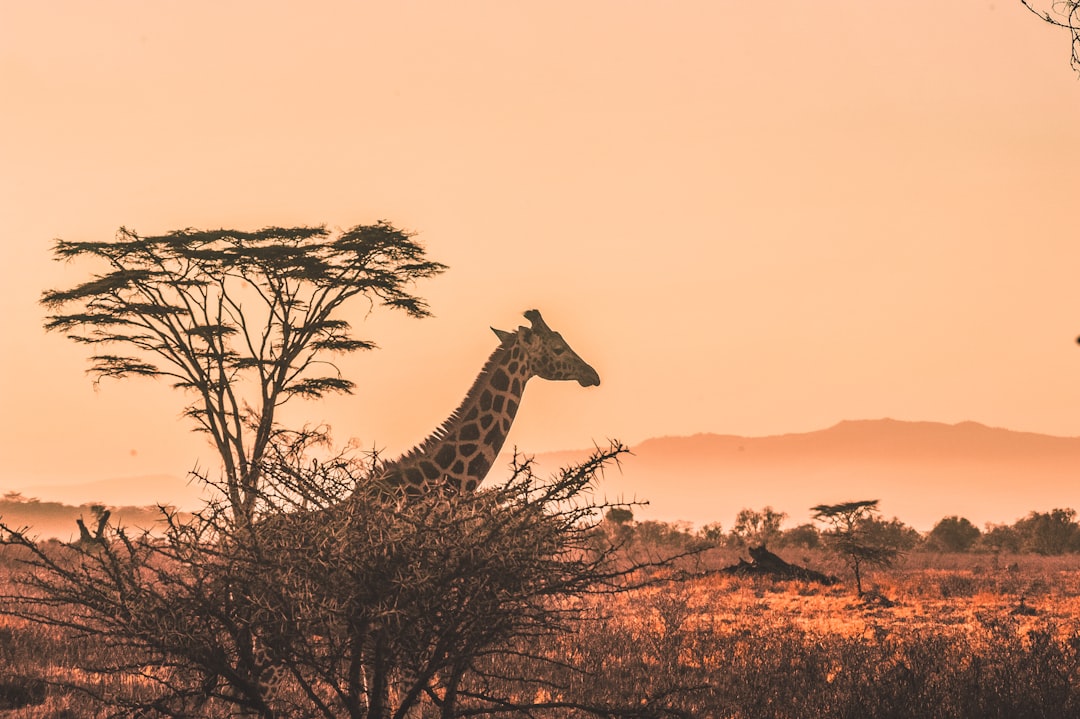
You can look for chimpanzees, hippos, crocodiles, baboons, black-and-white colobus monkeys, red-tailed monkeys, blue monkeys, shoebills, fish eagles, pelicans, herons, and other birds. Kibira is best for forest wildlife, while Rusizi is best for river animals and wetland birds. [1][3][5][6]
July is a good month for a Burundi wildlife safari because it falls within the June–September period listed as the best time for wildlife viewing. The month suits trips to Kibira and Rusizi, as well as lake activities at Lake Tanganyika. [3]
A 4–7-day Burundi safari costs about $1,200–$2,500 per person in 2026. The price depends on the route, accommodation, transport, guide services, and activities included in the package. [3]
Kibira National Park is the main choice for chimpanzee tracking in Burundi. It also supports baboons, black-and-white colobus monkeys, red-tailed monkeys, blue monkeys, and more than 200 bird species. [1][5][6]
Rusizi National Park is the main destination for hippos and crocodiles. The park also supports diverse bird species and sits near the Rusizi River and Lake Tanganyika, creating a strong river-and-lake wildlife route. [1][3]
Book through SafariFind to compare verified tour operators, package prices, route details, and authentic traveler reviews. Review the itinerary, road plan, accommodation, and included activities before requesting a quote.
A Burundi wildlife safari in July is a focused trip for primates, river wildlife, and birdwatching. Kibira National Park gives you the best setting for chimpanzees, baboons, and forest monkeys. Rusizi National Park brings hippos, crocodiles, and waterbirds. Lake Tanganyika adds space to relax after guided wildlife activities.
Plan four to seven days and use the 2026 price range of $1,200–$2,500 per person as a starting point. Ask about rural road conditions before booking. Also confirm health, entry, and safety requirements for your nationality.
Compare verified Burundi wildlife safari packages on SafariFind, request a quote, and read authentic reviews before choosing your route. In 2026, careful planning will help you find a safer, clearer, and more rewarding journey through Burundi’s forests and waterways.
These recommendations use real data from SafariFind, where you can compare operators, browse packages, and read verified traveler reviews before you book.
3-Day Best of Burundi Experience • $1,400 • 3 days • by Kubwa Five Safaris
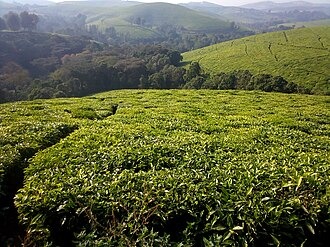
by Kubwa Five Safaris • 3 Days
2-Day Nyungwe Chimpanzee Trekking & Canopy Walk Tour • $1,930 • 2 days • by Maseke Adventures
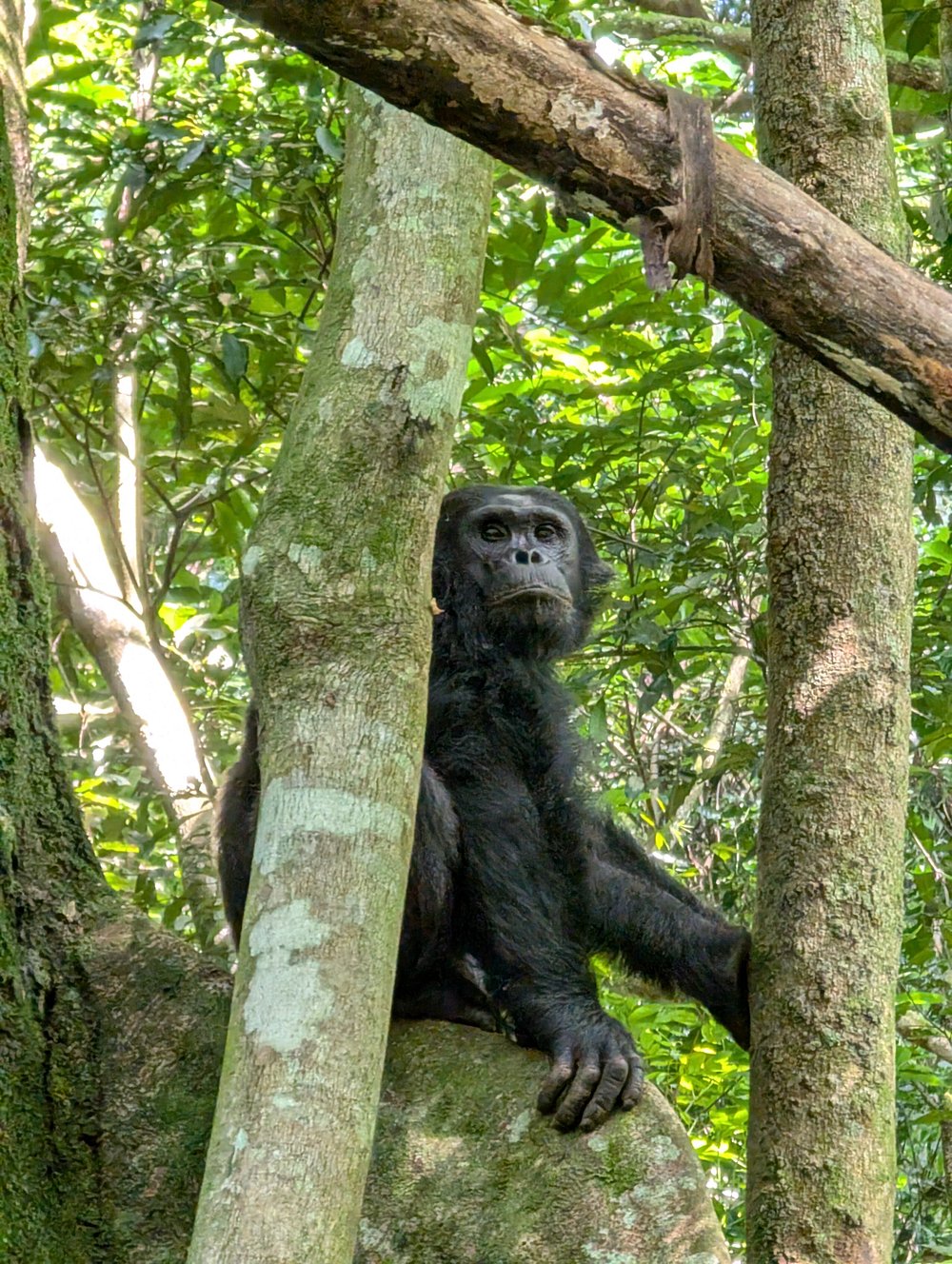
by Maseke Adventures • 2 Days
"My husband and I met working close to Mwanza many years ago. It was so special for us to relive our time in this wonderful part of the world. There were five of us, including our young friend who managed to meet family in Burundi. We had an awesome trip on safari, animals so close Tenting camps a super experience. Juma was a spectacular guide, changed schedules easily, with excellent advice and always a smile. Our safari driver was the best with so many stories to tell. This made our trip. Nongwi in the north of Zanzibar was a beautiful place to relax, take boat trips and swim in the turquoise ocean. So much to see and experience and we all loved it."