
 Ask Tembo
Safari Guides•17 min read
Burundi Safari Seasons 2026: July or January for Travel?

Discover Burundi Safari Seasons 2026: July or January for Travel? - Expert guide to safari tourism and wildlife destinations.
Trips that match this guide
Discover Burundi Safari Seasons 2026: July or January for Travel? - Expert guide to safari tourism and wildlife destinations.
Discover Bumi Hills Beach Packages 2027: Prices and Booking - Expert guide to safari tourism and wildlife destinations.

Discover Kigwena Nature Reserve Safari Packages 2027: Book a Tour - Expert guide to safari tourism and wildlife destinations.
SafariFind app
Keep up with your inquiries and bookings, and message operators wherever you are.

Last updated: July 2026
Burundi Safari Seasons 2026: July or January for Travel? Both months are reliable travel windows. July brings dry-season roads, water-focused wildlife viewing, boat safaris, and walking activities. January falls between rainy seasons and offers warm, generally drier conditions. No verified package price was provided, so request current quotes from trusted operators before booking.
Burundi Safari Seasons 2026: July or January for Travel? The answer depends on your main goal. July is the stronger choice for road access and focused wildlife viewing. January is a good choice for warm weather between rainy periods.
Burundi is a small Great Lakes country with a different feel from East Africa’s busiest safari destinations. The country offers national parks, wetlands, forests, river scenery, and Lake Tanganyika. As of 2026, tour departures are listed for both July and January. These months are described as reliable travel windows for touring Burundi. [1]
Quick answer: Choose July if you want drier roads, easier overland travel, and favorable conditions for boat safaris and walks. Choose January if you prefer warm weather and a quieter trip between rainy seasons. June through August and December through January are widely identified as Burundi’s drier travel periods. [1][4]
This guide compares the two months in simple terms. It covers weather, roads, wildlife, activities, planning, health, visas, and booking. It also explains what the available 2026 research does not confirm, including package prices and permit fees.
July and January are the two main choices for a Burundi safari in 2026. July is best for dry-season access and concentrated wildlife viewing. January is best for warm weather between rainy seasons. Both months support travel across Burundi, but each month creates a different style of trip.
July occurs during Burundi’s dry season. Dry conditions usually make roads more accessible, which matters when you travel between parks and lakeside areas. The available 2026 travel information also describes July as favorable for boat safaris and walking activities. [1]
January falls between Burundi’s two rainy seasons. Travel sources place December through January among the country’s drier periods. January therefore offers a useful balance: warm weather, reduced rain compared with wetter periods, and a fresh landscape after seasonal rainfall. [1][4]
Burundi’s climate varies across the country. Elevation, lakeside conditions, and local rain patterns can affect how each day feels. January temperatures are reported at about 23°C on average. May temperatures are reported at about 20°C, which shows that Burundi can remain moderate rather than intensely hot. [7]
Why it matters: The best month is not only about rain. It is also about road quality, activity choice, wildlife movement, comfort, and how much flexibility you have. A traveler focused on Rusizi National Park may prefer July. A traveler adding Lake Tanganyika and cultural stops may enjoy January.
SafariFind connects travelers with verified tour operators and authentic traveler reviews. Compare Burundi safari packages and request current 2026 quotes before choosing your month.
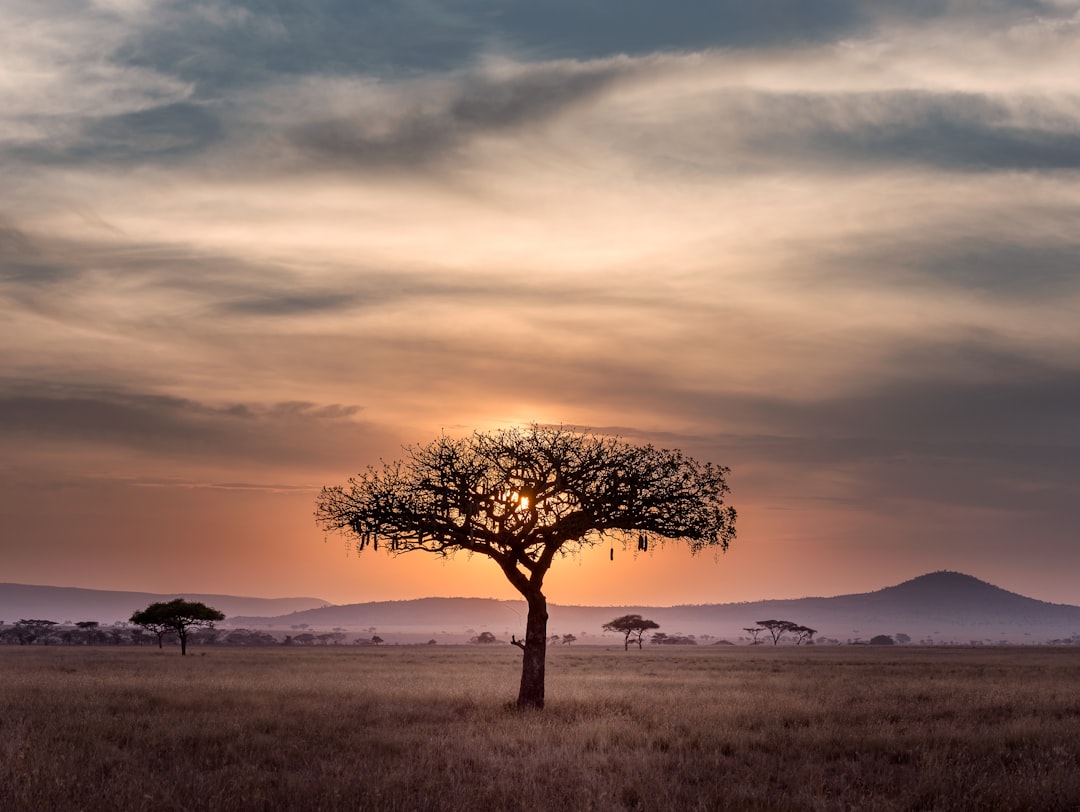
July is the better month for predictable road travel and concentrated wildlife viewing, while January is the better month for warm, green scenery between rainy seasons. Neither month guarantees identical conditions every year. Your choice should match your priority: access and wildlife in July, or warmth and mixed sightseeing in January.
July is Burundi’s dry-season option. The supplied travel research states that July roads are more accessible during this period. Better road conditions can reduce delays between parks, wetlands, and towns. They also make early starts easier for wildlife drives and walking activities. [1]
Rusizi National Park is especially relevant in July. Wildlife is reported to concentrate around water sources during the dry season. This pattern can help visitors focus their search near rivers, channels, and wetland areas. Guides still make the final decisions based on local conditions and animal movement. [1]
July is also favorable for boat safaris. Water-based travel can reveal a different side of Burundi’s wildlife and landscape. A boat trip may suit travelers who want less time on rough roads. Walking activities also benefit from drier ground, although comfortable shoes and sun protection remain important.
January sits between Burundi’s rainy seasons. It is included in the December-to-January drier travel period, but visitors should still expect changing weather. A short rain event can affect road conditions, walking plans, and boat schedules. Flexible timing is therefore more useful in January than in July. [4]
January’s reported average temperature is about 23°C. This warm setting works well for combining a morning park activity with an afternoon lake visit. Travelers can also build in cultural or city time if rain changes a planned wildlife drive. [7]
January may offer greener scenery than July. Fresh plant growth can make wetlands, hills, and lakeside areas look vivid. However, lush vegetation can sometimes make animals harder to spot. Travelers who want clear wildlife searches may prefer July’s drier setting.
| Name | Price | Duration | Rating | Best For |
|---|---|---|---|---|
| July safari window | No verified 2026 price supplied | No standard duration verified | Not rated in supplied data | Dry roads, Rusizi wildlife, boat safaris, walking |
| January safari window | No verified 2026 price supplied | No standard duration verified | Not rated in supplied data | Warm weather, green scenery, mixed itineraries |
Lake Tanganyika adds another reason to compare both months. The lake is described as approximately 1,400 metres deep. Its scale creates a strong setting for lakeside travel, boat activities, and scenic rest days. [8] Your operator should confirm the exact activity, departure point, and weather plan.
For a closer look at seasonal routes, read Burundi safari routes in July 2026. You can also review the animal-focused guide to a Burundi wildlife safari in July.
Plan a Burundi safari by matching the month to your route, checking travel documents, preparing for changing weather, and confirming the operator’s current services. July needs a dry-road strategy. January needs more weather flexibility. Both months need careful checks because the supplied research does not confirm 2026 prices, permits, or policy changes.
Choose July when wildlife is your main reason for visiting. The dry season can improve road access, and Rusizi wildlife may gather near water. July also suits travelers who want walking and boat activities in generally favorable conditions. [1]
Choose January when you want a mixed trip. January can combine wildlife, lake scenery, cultural visits, and warm outdoor time. The month is not completely rain-free, so keep spare time in your schedule. This simple buffer can protect your main activities from weather delays.
Getting there depends on your chosen route and operator. Ask where the itinerary starts, which transfers are included, and how the operator handles delays. Do not assume that a listed tour includes every local transfer or activity. Request the details in writing before you pay.
Travel documents remain part of good safari planning. Canadian travelers can review the current guide to Burundi visa requirements for Canadian citizens. German travelers can check the separate guide on Burundi visas for German citizens in 2026.
Health rules can depend on nationality, routing, and personal medical needs. Travelers should speak with a qualified travel-health professional before departure. Canadian visitors can read the guide to Burundi vaccinations for Canadians in 2026. The article explains why health planning should happen before booking flights.
No verified package prices, permit figures, or availability numbers were supplied in the research for this article. Therefore, this guide does not invent a price range. Ask each operator for a current 2026 quote with the same route, number of days, vehicle type, meals, accommodation, park charges, and activities.
SafariFind helps you compare verified operators, packages, and authentic reviews. Request a quote from verified Burundi safari operators and compare inclusions instead of comparing headline prices alone.
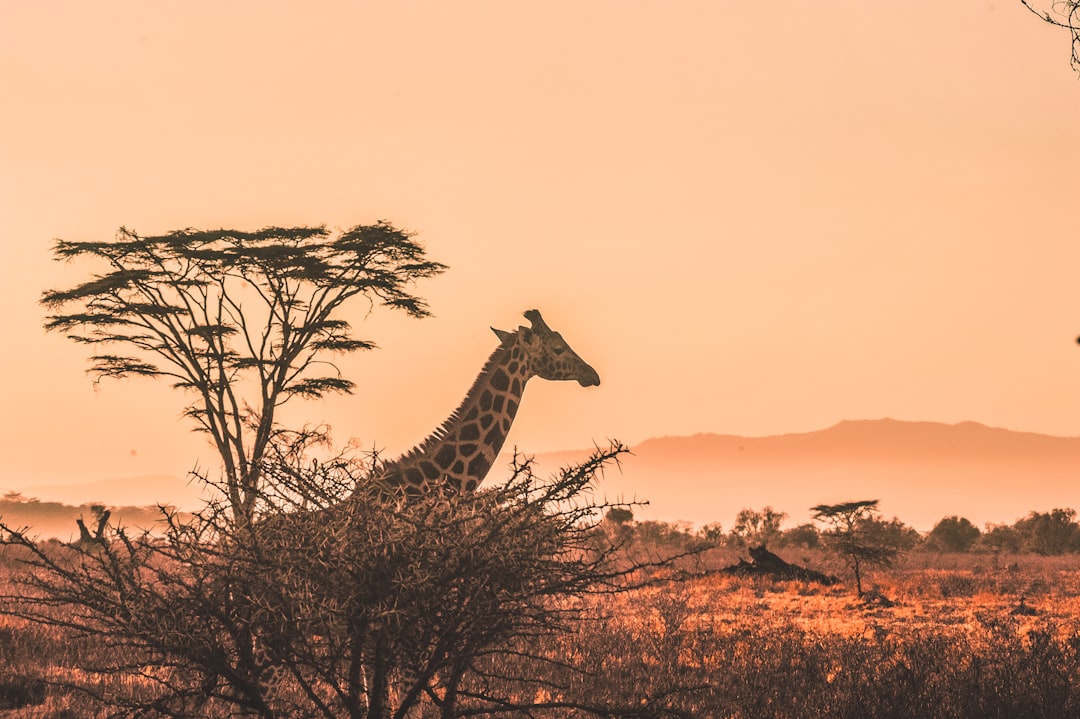
Choose July for the strongest dry-season safari conditions. Choose January for a warm, flexible trip between rainy seasons. July is the clearer recommendation for road access, Rusizi wildlife near water, walking, and boat safaris. January is the better fit for travelers who value green scenery and a broader mix of activities.
July gives you a practical advantage when your route includes several road transfers. Drier roads can make travel more comfortable and reduce the risk of delays. The month also supports focused wildlife searches because animals may gather near water sources in Rusizi National Park. [1]
July is not a promise of perfect weather every day. Local conditions can still change. Ask your operator about recent road reports, activity times, and backup plans. Good planning turns July’s main benefit into a smoother trip.
January works well for travelers who do not want every day to focus on game viewing. Warm weather supports lake visits, walks, scenery, and cultural experiences. The month’s position between rainy seasons also gives you a useful seasonal balance. [4]
January requires more flexibility than July. Pack a light rain layer, protect cameras, and avoid placing your most important activity on your final day. A spare morning can make a major difference if rain changes the route.
Research published for 2026 and 2027 lists departures in both July and January. It does not confirm a new 2026 rule that makes one month universally better. The strongest choice remains personal: July for access and wildlife focus, January for warmth and variety. [1]
Before booking, compare routes rather than months alone. A well-planned January itinerary can outperform a rushed July trip. A focused July route can suit a wildlife-first traveler better than a broad rainy-season plan.
July is better for dry roads, focused wildlife viewing, walking, and boat safaris. January is better for warm weather and green scenery between rainy seasons. Both months are listed as reliable Burundi travel windows in the available 2026 research. [1]
Burundi’s drier travel periods include June through August and December through January. July sits within the longer mid-year dry period, while January falls within the shorter end-of-year dry period. Local weather can still vary by location. [4]
Rusizi National Park wildlife is reported to gather around water sources during July’s dry season. This can make water areas useful for wildlife searches. The exact animals and sightings depend on local conditions, guide skill, and the day’s route. [1]
January is a good month for combining a Burundi safari with lakeside travel. Warm conditions support outdoor activities, while Lake Tanganyika provides a major scenic feature. The lake is described as approximately 1,400 metres deep. [8]
No verified 2026 package price was provided in the supplied research. Costs depend on route, accommodation, transport, guiding, meals, park access, and boat activities. Request a detailed quote that lists every inclusion before booking.
Use SafariFind to compare verified tour operators, review current package details, and request quotes for July or January 2026. Ask operators to confirm road conditions, activities, documents, inclusions, and cancellation terms before you make a final payment.
July is the best Burundi safari month for dry roads, focused wildlife viewing, walking, and boat activities. January is the best choice for warm weather, green scenery, and a flexible mix of wildlife, lake, and cultural travel. Both months are recognized as reliable travel windows for Burundi in the available 2026 research. [1]
Choose July if Rusizi National Park and road access lead your plans. Choose January if your trip includes Lake Tanganyika and several types of sightseeing. Since no verified 2026 package prices were supplied, compare like-for-like quotes before deciding.
SafariFind connects you with verified tour operators and authentic reviews from previous travelers. Compare verified Burundi safari packages for July or January 2026, request clear inclusions, and select the route that matches your travel style. As 2026 continues, careful planning will help you enjoy Burundi’s parks, wetlands, hills, and lakes with confidence.
These recommendations use real data from SafariFind, where you can compare operators, browse packages, and read verified traveler reviews before you book.
3-Day Best of Burundi Experience • $1,400 • 3 days • by Kubwa Five Safaris
by Kubwa Five Safaris • 3 Days
2-Day Nyungwe Chimpanzee Trekking & Canopy Walk Tour • $1,930 • 2 days • by Maseke Adventures
by Maseke Adventures • 2 Days
"My husband and I met working close to Mwanza many years ago. It was so special for us to relive our time in this wonderful part of the world. There were five of us, including our young friend who managed to meet family in Burundi. We had an awesome trip on safari, animals so close Tenting camps a super experience. Juma was a spectacular guide, changed schedules easily, with excellent advice and always a smile. Our safari driver was the best with so many stories to tell. This made our trip. Nongwi in the north of Zanzibar was a beautiful place to relax, take boat trips and swim in the turquoise ocean. So much to see and experience and we all loved it."
