Burundi Safari Safety 2026: Routes, Lodges & Real Risks
Burundi safaris are safe with verified operators on guided itineraries. Explore Rusizi & Kibira parks, best travel times, lodge standards & real risks in 2026.
Burundi safaris are safe when you travel with reputable tour operators on guided itineraries, with risks extremely low for organized groups. The best time to visit is June to September or December to February during dry seasons. Budget $2,000-$4,500 for 7-day guided safaris with verified operators on SafariFind who manage logistics and security.
At a Glance
Safety Level: Low risk with guided tours; high risk for solo travelers
Best Time to Visit: June–September and December–February (dry seasons)
Typical Duration: 7–10 days for a complete experience
Cost Range: $2,000–$4,500 per person for guided packages
Best For: Group travelers, wildlife enthusiasts, budget-conscious visitors
Getting There: Fly to Bujumbura, arrange ground transport through your operator
Burundi safari safety in 2026 means traveling with experienced tour operators on planned routes through national parks while staying alert and following local guidance. Safety conditions have improved significantly since the early 2010s, and main tourist sites operate normally when visited with reliable companies.
Burundi safari safety refers to the real conditions travelers face when exploring this East African nation's natural wonders. The country has a complex history, but tourism infrastructure has grown stronger. [1] Safety conditions in Burundi have been periodically affected by political instability in the post-2015 period. The situation has improved significantly since the early years of that decade, and Bujumbura and the main tourist sites were operating normally.
Understanding safety means knowing the difference between guided group travel and solo exploration. [3] If you're traveling through Burundi as part of a planned itinerary with a reliable tour operator, your safety risks are extremely low. This is why choosing the right operator matters more than the destination itself.
Burundi offers stunning landscapes, including Lake Tanganyika, Rusizi National Park, and Kibira National Park. These destinations attract fewer tourists than Rwanda or Uganda, making them hidden gems for adventurous travelers. However, fewer tourists also means less infrastructure in remote areas.
The reality is straightforward: realistic expectations lead to safe, rewarding trips. [2] This means expectations should be realistic when planning a Burundi adventure. You won't find luxury resorts on every corner, but you will find authentic wildlife experiences and warm local hospitality.
When considering a Burundi safari, safety depends on three factors. First, your choice of tour operator. Second, your willingness to follow safety protocols. Third, your travel style and flexibility.
Safety Conditions and Real Risks in Burundi
Current Security Situation
Burundi's security landscape has stabilized considerably since 2015. The country's capital, Bujumbura, and established tourist routes operate with standard safety measures. International tourism is actively encouraged by the government, and major parks have ranger presence and management structures.
However, remote border regions and areas away from main tourist circuits carry higher uncertainty. This is why reputable operators avoid these zones and stick to proven, secure itineraries. The gap between tourist areas and remote regions is significant—you must stay within established routes.
Political developments can change quickly. [4] Burundi Visa requirements: check current entry rules before booking, as policies can shift; most travelers can secure a visa on arrival or online. This also applies to travel advisories. Before booking, check your government's latest travel warnings for Burundi.
Health and Disease Risks
Health risks in Burundi are real and require preparation. [7] Diarrhea and hepatitis E are common. Hepatitis B is extremely common. Meningitis is a year-round illness, and immunization is occasionally recommended. There is Bilharzia (schistosomiasis); stay out of the freshwater by swimming and canoeing.
Malaria is present year-round in most areas. Yellow fever vaccination is recommended before travel. Vaccinations for typhoid, hepatitis A, and polio are standard precautions. Consult your doctor at least 4-6 weeks before departure.
Practical health steps include taking antimalarial medication, using insect repellent, wearing long sleeves in the evening, and drinking bottled water only. Most lodges provide filtered or bottled water as standard.
Petty Crime and Theft
Petty theft occurs in urban areas, particularly Bujumbura. Travelers should avoid displaying expensive jewelry, cameras, or large amounts of cash. Keep valuables in hotel safes and stay aware of your surroundings in markets and busy streets.
Organized tour operators manage these risks by keeping groups together, avoiding high-risk areas, and using secure vehicles. This is another reason group travel is safer than independent exploration.
Rusizi National Park is Burundi's most popular safari destination. Located along the Rusizi River, it offers hippo viewing, bird watching, and scenic river cruises. The park is well-managed and easily accessible from Bujumbura, making it ideal for first-time visitors.
Most operators run day trips and multi-day packages to Rusizi. The park has established camping areas and nearby lodges. Security presence is strong, and guides are trained in wildlife safety and visitor management.
Kibira National Park
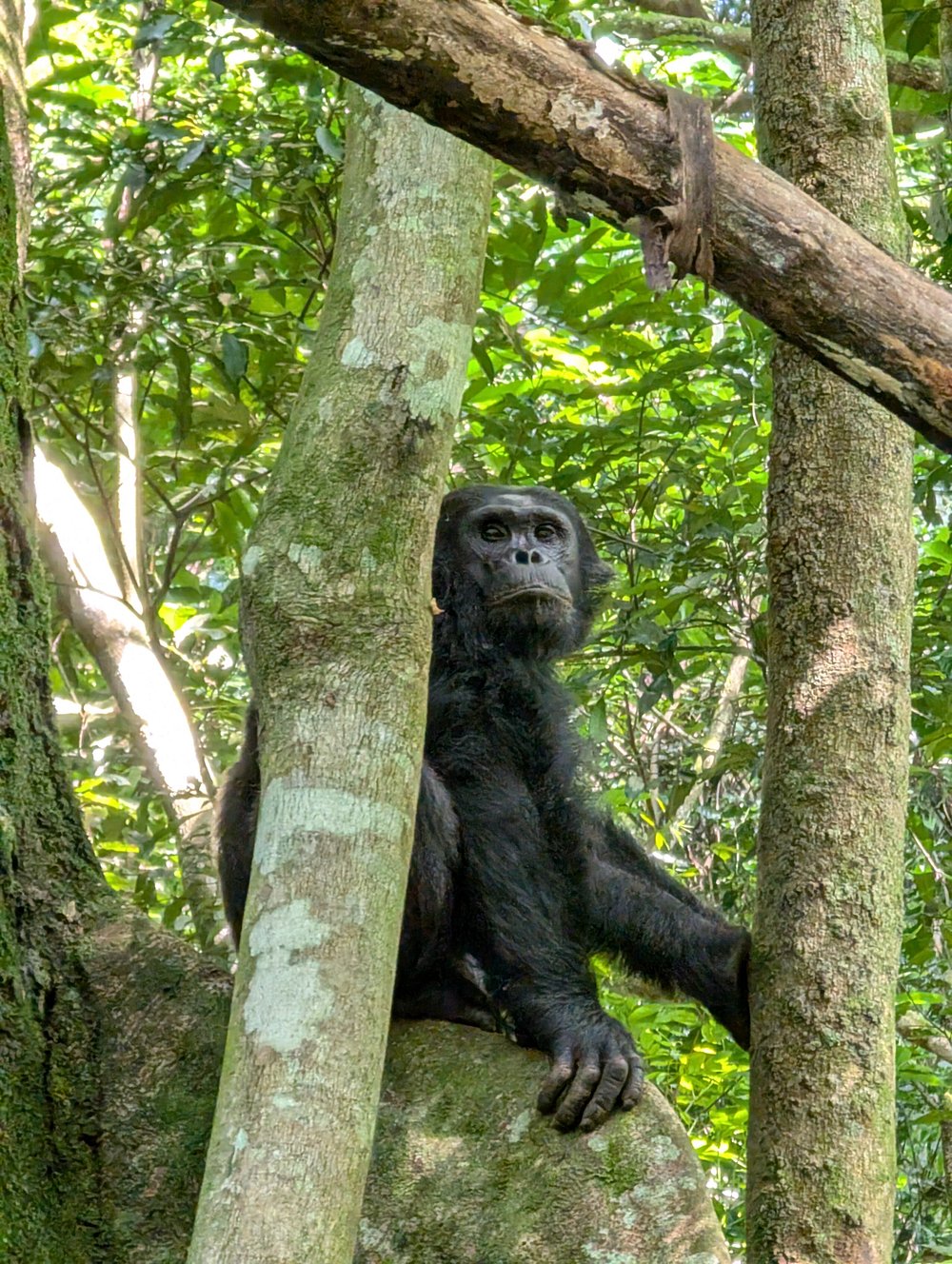
Kibira National Park covers 40,000 hectares of highland forest in northwestern Burundi. It's known for chimpanzee tracking, bird watching, and lush scenery. The park is more remote than Rusizi but offers a deeper wilderness experience.
Access to Kibira requires 4x4 vehicles and experienced guides. The road conditions are rough, especially during rainy seasons. Tour operators carefully manage visitor numbers and routes to maintain safety and minimize environmental impact.
Lake Tanganyika
Lake Tanganyika, Africa's second-largest lake, forms Burundi's western border. Fishing villages, water activities, and scenic beauty attract visitors. Several lodges operate along the shoreline, from budget options to mid-range resorts.
Lake activities include boat trips, swimming (in designated areas away from bilharzia risk), fishing, and sunset cruises. Always use lodges' boats and guides rather than arranging transport independently.
Gitega and Cultural Sites
Gitega, Burundi's second-largest city, offers cultural experiences and museums. The Royal Palace, Gitega Museum, and local markets provide insight into Burundian history and culture. Day trips from Bujumbura are common.
Urban areas require standard city safety practices: stay alert, avoid walking alone at night, and use registered taxis or hotel transport.
Choosing Safe Lodges and Verified Operators
Lodge Safety Standards
Safe lodges in Burundi maintain security protocols, trained staff, and emergency procedures. Look for lodges with 24-hour front desk service, secure room locks, and safe deposit boxes. Mid-range and higher-end properties typically exceed budget options in security features.
Most established lodges have backup generators, water systems, and communication equipment. Staff training in first aid and emergency response is standard at reputable properties. Ask potential lodges about their safety measures before booking.
Accommodation options range from budget guesthouses ($30-$60 per night) to mid-range lodges ($100-$300 per night). Read reviews on SafariFind to see what past travelers experienced. Compare Burundi safari lodges under $300 per night to find verified operators with authentic guest feedback.
Tour Operator Verification
Verified tour operators are your best safety investment. They handle logistics, security, permits, and emergency response. Professional companies have insurance, trained guides, reliable vehicles, and established relationships with local authorities.
When evaluating operators, check for:
Years in business and track record
Guide training and certification
Vehicle maintenance and safety features
Emergency communication systems
Insurance coverage and liability
Traveler reviews and ratings
SafariFind lists verified Burundi operators with authentic reviews from past travelers. Use SafariFind's guide to compare Burundi safari operators and request quotes from multiple companies to find the best fit for your needs and budget.
Operator Flexibility and Adaptability
[5] Even when unexpected challenges arose, such as last-minute border closures in Burundi, the team adapted quickly. Alternative routes through Tanzania and DR Congo were arranged without disrupting the overall experience, demonstrating flexibility and smart planning.
Ask potential operators about their contingency plans. How do they handle weather delays, park closures, or health emergencies? Good operators have backup routes and flexible itineraries.
Planning Your Burundi Safari: Timing and Preparation
Best Time to Visit
Burundi has two dry seasons ideal for safari: June to September and December to February. During these periods, wildlife congregates around water sources, vegetation is lower, and roads are passable. Rainfall is minimal, and temperatures are comfortable.
The long rainy season (March-May) makes roads difficult and parks less accessible. The short rainy season (October-November) is transitional but still manageable. Most operators recommend the June-September window for the best experience.
[6] The single most common mistake in East Africa itinerary planning is cramming too much into too few days. Practitioners on Reddit report that safari can involve 8 to 10 hours a day in a very bumpy vehicle.
A realistic Burundi itinerary should allocate 7-10 days minimum. This allows time for:
2-3 days in Rusizi National Park
2-3 days in Kibira National Park or Lake Tanganyika
Burundi safaris offer excellent value compared to Rwanda or Kenya. Budget-conscious travelers can arrange 7-day trips for $2,000-$3,000 per person, including accommodation, guides, and park fees. Mid-range options range from $3,000-$4,500.
Most visitors can obtain a Burundi visa on arrival or through online application. Passport validity must extend at least 6 months beyond your travel dates. Check your government's latest travel advisories and visa requirements before booking.
Travel insurance is highly recommended. Choose a policy covering medical evacuation, trip cancellation, and emergency repatriation. This is especially important given the remote nature of some safari areas.
Practical Safety Tips for Burundi Safaris
During Your Safari
Follow your guide's instructions without question. Guides understand wildlife behavior, terrain hazards, and local conditions. Never wander from the group or established paths.
Stay hydrated and use sun protection. Burundi's equatorial location means intense sun exposure. Bring high-SPF sunscreen, a hat, and plenty of water. Dehydration increases vulnerability to illness.
Keep your phone charged and know how to contact your operator or lodge. Most safari areas have limited cell coverage, but lodges have communication systems. Register your itinerary with your embassy before departure.
Behavioral Safety
Respect local customs and dress modestly outside tourist areas. Avoid photographing people without permission. Be cautious with valuables in markets and towns.
Don't accept rides from strangers or use unofficial taxis. Use hotel-arranged transport or your operator's vehicles. Avoid traveling alone, especially after dark.
Be aware of your surroundings but don't let fear dominate your experience. Thousands of tourists visit Burundi safely each year by following basic precautions.
Wildlife Safety
Never approach wildlife, even if animals seem calm. Hippos, crocodiles, and elephants are dangerous. Keep a safe distance and use binoculars or telephoto lenses for photography.
Stay in vehicles during game drives unless your guide explicitly permits exiting. Walk only on designated paths near lodges. Never feed animals or leave food unattended.
Key Takeaways
Book with verified tour operators on SafariFind to ensure professional security protocols, trained guides, and emergency response systems reduce your risk to extremely low levels.
Travel during dry seasons (June–September or December–February) when roads are passable, wildlife is visible, and weather is stable for safer, more enjoyable safaris.
Plan 7–10 day itineraries minimum to avoid exhausting travel schedules; rushing increases mistakes and reduces enjoyment of your Burundi safari experience.
Get vaccinated for malaria, yellow fever, hepatitis A and B, and typhoid at least 4–6 weeks before departure to prevent health complications during remote travel.
Stay with your guide and group, avoid solo exploration, keep valuables secure, and follow local safety advice to maintain the low-risk profile of organized Burundi safaris.
Frequently Asked Questions
Is Burundi safe for tourists in 2026?
Yes, Burundi is safe for tourists traveling with reputable tour operators on guided itineraries. Safety risks are extremely low for organized group travelers who follow local guidance and avoid solo exploration. Security conditions have improved significantly since the early 2010s, and main tourist sites operate normally when visited through verified operators.
What vaccinations do I need for a Burundi safari?
Essential vaccinations include yellow fever, malaria prevention (antimalarial medication), hepatitis A and B, typhoid, and polio boosters. Meningitis immunization is occasionally recommended. Consult your doctor at least 4–6 weeks before travel for personalized advice based on your health history and exact itinerary.
When is the best time to visit Burundi for safari?
The best time is June to September or December to February during dry seasons. These periods offer optimal wildlife viewing, passable roads, and comfortable temperatures. July is particularly popular but also busier and more expensive. Avoid the rainy seasons (March–May and October–November) when roads are difficult and parks are less accessible.
How much does a Burundi safari cost in 2026?
A 7-day guided Burundi safari costs $2,000–$4,500 per person depending on accommodation level, park fees, and operator reputation. Budget packages start around $2,000, mid-range options run $3,000–$4,500, and luxury safaris exceed $5,000. International flights typically add $800–$1,500 to your total cost.
Should I travel alone or with a group in Burundi?
Group travel with verified tour operators is significantly safer than solo exploration. Groups benefit from professional guides, secure vehicles, established routes, and collective security protocols. Solo travelers face higher risks and limited access to remote areas. Book through SafariFind to find verified operators offering group itineraries with authentic traveler reviews.
What should I pack for a safe Burundi safari?
Pack antimalarial medication, high-SPF sunscreen, a wide-brimmed hat, insect repellent, lightweight long sleeves, sturdy hiking boots, a first-aid kit, and copies of important documents. Bring binoculars, a camera with telephoto lens, and a power bank for your devices. Leave expensive jewelry at home and keep valuables in hotel safes.
How do I find verified Burundi safari operators?
SafariFind lists verified tour operators with authentic traveler reviews, ratings, and detailed package information. Compare multiple operators, read past guest reviews, and request quotes directly through the platform. Look for operators with 4+ star ratings, extensive experience, and positive feedback about safety and guide quality.
Conclusion
Burundi safari safety in 2026 is achievable through informed choices and professional operators. The country offers stunning wildlife, authentic experiences, and excellent value compared to neighboring destinations. Security conditions have improved significantly, and thousands of tourists visit safely each year by following established protocols.
The key to a safe, rewarding Burundi safari is choosing a verified tour operator who manages logistics, security, and emergency response. Avoid solo travel, plan realistic itineraries, get vaccinated, and stay alert to basic safety practices. These steps reduce risk to extremely low levels.
Burundi rewards careful planning with unforgettable experiences: hippo-filled rivers, chimpanzee forests, cultural encounters, and the warmth of local hospitality. The destination deserves more attention than it receives, and travelers willing to venture beyond typical safari circuits discover hidden gems.
Start your Burundi safari journey by comparing verified operators on SafariFind. Request quotes from multiple companies, read authentic traveler reviews, and choose a package matching your budget and interests. Whether you're a budget-conscious backpacker or seeking mid-range comfort, SafariFind connects you with operators who prioritize your safety and satisfaction. Book your Burundi adventure today and discover East Africa's most underrated safari destination.
Plan Your Safari with SafariFind
These recommendations use real data from SafariFind, where you can compare operators, browse packages, and read verified traveler reviews before you book.
"My husband and I met working close to Mwanza many years ago. It was so special for us to relive our time in this wonderful part of the world. There were five of us, including our young friend who managed to meet family in Burundi. We had an awesome trip on safari, animals so close Tenting camps a super experience. Juma was a spectacular guide, changed schedules easily, with excellent advice and always a smile. Our safari driver was the best with so many stories to tell. This made our trip. Nongwi in the north of Zanzibar was a beautiful place to relax, take boat trips and swim in the turquoise ocean. So much to see and experience and we all loved it."

 Ask Tembo