Ask Tembo
Burundi Safari Lodges Under $300/Night: Budget vs Luxury 2026
Burundi safari lodges under $300/night offer budget to luxury options in 2026. Compare guesthouses ($30-60), midrange ($100-250), and luxury ($250-300) with verified operators.
Burundi Safari Lodges Under $300/Night 2026
Last updated: July 2026
Burundi safari lodges under $300 per night offer exceptional value in East Africa, with budget guesthouses starting at $30-$60, midrange lodges from $100-$250, and luxury options reaching $250-$300 in 2026. The best time to visit is June to September for dry season wildlife viewing. Book through verified operators on SafariFind to compare packages and read authentic traveler reviews.
At a Glance
- Cost range: $30-$300 per night depending on lodge type
- Budget guesthouses: $30-$60 per night
- Midrange lodges: $100-$250 per night
- Best time to visit: June to September for dry season
- Best for: Budget-conscious travelers, families, couples seeking value
- Wildlife highlights: Hippos, antelopes, water buffalo, endemic birds
What Are Burundi Safari Lodges Under $300/Night?
Burundi safari lodges under $300 per night represent Africa's most affordable luxury accommodation options in 2026. These properties range from simple budget guesthouses to comfortable midrange establishments that deliver exceptional value without sacrificing comfort or safari quality.[1] Burundi remains one of East Africa's hidden gems, with safari costs significantly lower than neighboring Rwanda, Uganda, and Tanzania.[2]
Budget guesthouses in Burundi cost approximately $30 to $60 per night and offer basic amenities like clean rooms, shared bathrooms, and simple meals.[2] These properties suit backpackers and cost-conscious travelers who prioritize experiences over luxury. Midrange lodges range from $100 to $250 per night, featuring private bathrooms, restaurant dining, and organized safari activities.[2] Many travelers find this category offers the best balance between comfort and affordability.
The lodge market in Burundi differs from neighboring countries because it remains less developed for tourism. This means fewer mega-resorts and more authentic, locally-owned properties. Travelers booking through SafariFind can explore verified operators offering Burundi safari packages that match their budget and comfort preferences.
Why Burundi Lodges Cost Less Than Competitors
Burundi safari lodges cost significantly less than Rwanda and Uganda for several key reasons. First, Burundi receives fewer international tourists, reducing demand and allowing operators to maintain lower prices.[1] Second, the country offers similar wildlife viewing experiences but with less tourist infrastructure. Third, labor and operational costs remain lower than in more developed safari destinations.
Many travelers overlook Burundi because they assume it lacks quality safari experiences. This misconception actually benefits budget-conscious visitors who discover exceptional value. Parks like Kibira National Park and Ruvubu National Park offer genuine wildlife encounters at a fraction of costs in neighboring countries.
Budget vs. Luxury: Understanding Burundi's Lodge Categories
Burundi safari lodges fall into three main categories: budget guesthouses ($30-$60/night), midrange lodges ($100-$250/night), and luxury properties ($250-$300/night). Each category serves different traveler types with distinct amenities and experiences.[2] Understanding these differences helps you choose the right accommodation for your safari adventure in 2026.
Budget Guesthouses: $30-$60 Per Night
Budget guesthouses provide basic shelter and meals for backpackers and ultra-budget travelers. Rooms typically feature twin or double beds, ceiling fans, and shared bathroom facilities. Meals are simple but filling, usually featuring local cuisine and fresh fruits. Internet access may be limited or nonexistent at budget properties.
These guesthouses rarely organize safaris directly. Instead, travelers arrange park visits through local guides or tour operators. This approach requires more planning but significantly reduces overall costs. Budget guesthouses work best for independent travelers comfortable navigating logistics themselves.
Many budget properties operate in smaller towns near national parks rather than inside park boundaries. This means you'll travel to parks each morning and return in the evening. The trade-off is lower accommodation costs but longer daily travel times.
Midrange Lodges: $100-$250 Per Night
Midrange lodges represent the sweet spot for most safari travelers, offering comfort without excessive luxury pricing.[2] These properties feature private bathrooms, quality bedding, restaurant dining, and included breakfast. Many midrange lodges employ experienced safari guides and organize daily game drives for guests.
Midrange accommodations typically sit near or within national park boundaries, minimizing travel time to wildlife areas. Common amenities include outdoor terraces, sitting areas, and small bars or lounges. Rooms often have electric fans or air conditioning, depending on the property and season.
This category suits couples, families, and small groups seeking reliable comfort and safari organization without premium pricing. Most midrange lodges offer all-inclusive packages combining accommodation, meals, and guided safaris. These packages simplify planning and often provide better value than booking components separately.
Luxury Lodges: $250-$300 Per Night
Luxury properties at the $250-$300 range deliver upscale experiences with premium amenities and personalized service. These lodges feature spacious suites, private bathrooms with hot water, quality linens, and gourmet dining. Many include outdoor decks, spa services, and premium bar selections.[2]
Luxury lodges employ multiple guides per group, allowing smaller safari parties and more personalized experiences. Amenities often include swimming pools, fitness facilities, and lounge areas. Some properties offer sunset game drives, night safaris, and specialized wildlife photography guidance.
The value proposition of Burundi's luxury lodges at this price point is exceptional compared to luxury properties in Rwanda, Uganda, or Tanzania, which often exceed $500-$1,500 per night.[3] You receive similar service quality at a fraction of typical luxury safari costs.
How Much Should You Budget for a Complete Burundi Safari?
A complete Burundi safari budget includes accommodation, park fees, meals, guides, transportation, and activities. Daily costs range from $150-$200 for budget safaris to $300-$500 for midrange experiences.[4] Understanding each expense category helps you plan accurately and avoid surprises.
Breaking Down Your Daily Safari Costs
Accommodation represents your largest expense. Budget guesthouses cost $30-$60 nightly, midrange lodges $100-$250, and luxury properties $250-$300. Park entry fees typically run $15-$30 per person daily, depending on the park and season.
Guided safari services cost approximately $50-$100 per day for budget options and $100-$200 for premium guides. Meals at budget guesthouses cost $10-$20 daily, while midrange and luxury lodges include meals in their nightly rates. Transportation, beverages, and tips add another $20-$50 daily.
A budget safari in Burundi costs roughly $150-$200 per person daily.[4] Midrange experiences run $300-$500 daily. Luxury safaris with premium lodges and personalized guides reach $600-$800 daily. These figures assume you're traveling with others; solo travelers pay higher per-person costs.
Money-Saving Strategies for Burundi Safaris
Book your safari 3-6 months in advance to secure better rates and lodge availability. Many operators offer early-booking discounts of 10-15% for confirmed reservations. Travel during shoulder seasons (May or October) for lower prices than peak season.
Group travel significantly reduces per-person costs. A group of four sharing a lodge typically pays 20-30% less per person than solo travelers. Joining existing safari groups through verified operators on SafariFind allows you to access group rates without pre-arranging companions.
All-inclusive packages bundling accommodation, meals, and safaris often cost less than booking separately. Compare package pricing carefully, as some operators build in substantial markups. Read traveler reviews to ensure included services match advertised quality.
Visit during rainy seasons (March-May) when lodge rates drop significantly but wildlife viewing remains good. Fewer tourists mean quieter parks and more personalized guide attention. Insect activity increases during rains, so bring proper repellent.
Best Burundi Safari Lodges Under $300/Night in 2026
Several verified operators on SafariFind offer exceptional Burundi safari lodges under $300 per night.[5] These properties combine comfort, service quality, and value in ways that make Burundi increasingly attractive to budget-conscious safari travelers. Each property brings unique strengths and specializations.
Finding Your Perfect Burundi Lodge
When selecting a Burundi safari lodge, consider location, included services, and traveler reviews. Properties near Ruvubu National Park offer excellent wildlife viewing for hippos, antelopes, and water buffalo. Lodges near Kibira National Park provide forest experiences with endemic bird species.
Read authentic traveler reviews on SafariFind before booking. Look for comments about guide quality, meal satisfaction, lodge cleanliness, and safari success rates. Properties with 4.5+ star ratings from 50+ reviews offer reliable quality and service.
Compare what's included in nightly rates. Some lodges include breakfast only, while others offer all meals and safari activities. All-inclusive options simplify budgeting but may cost more upfront. À la carte options offer flexibility but require calculating daily expenses.
Comparing Burundi vs. Neighboring Destinations
Burundi safari lodges cost 30-50% less than similar properties in Rwanda and Uganda.[2] A midrange lodge costing $150-$200 in Burundi would cost $250-$350 in Rwanda. Luxury lodges at $250-$300 in Burundi run $500-$800 in Uganda.
Wildlife viewing quality is comparable across East African countries. Burundi's parks host the same species as Rwanda and Uganda but attract fewer tourists. This means more peaceful safari experiences with less vehicle congestion at wildlife sightings.
Accommodation comfort standards differ slightly. Burundi lodges emphasize functionality and value over architectural design. Rwanda and Uganda properties often feature more elaborate construction and design elements, justifying their higher prices. However, core services—guides, meals, and accommodations—are comparable quality.
If you're comparing Burundi to Uganda safari costs, Burundi consistently offers better value. Our detailed comparison guide explores this in depth at Burundi Safari Lodges vs Uganda: Which Costs Less in 2026, helping you make the most cost-effective choice for your East African adventure.
Best Times to Visit Burundi for Budget Savings
Seasonal timing dramatically affects Burundi safari lodge prices and wildlife viewing quality. The dry season (June-September) offers best wildlife viewing but highest prices. The shoulder seasons (May and October) provide excellent value with good wildlife viewing. The rainy season (March-May, November-February) brings lowest prices but occasional weather challenges.
Dry Season: June to September
The dry season represents peak safari season in Burundi, when animals congregate near water sources and vegetation thins for easier viewing. Lodge prices increase 20-30% during these months as demand rises. June and July see the highest prices, while August and September offer slightly better rates.
Expect daytime temperatures of 75-85°F with cool mornings and evenings. Rain is unlikely, making this ideal for outdoor activities and photography. Most international travelers visit during dry season, so parks become busier despite Burundi's generally low tourist volumes.
Book dry season safaris 4-6 months in advance to secure preferred lodges and guide availability. Early booking discounts rarely apply during peak season, so availability matters more than price negotiation.
Shoulder Seasons: May and October
May and October offer exceptional value with minimal wildlife viewing compromises. Lodge prices remain 10-20% lower than peak season. Wildlife viewing is nearly as good as dry season, though occasional rain showers may occur.
May experiences the tail end of rainy season, with lush vegetation attracting diverse bird species. October begins the transition toward rains, with pleasant temperatures and manageable weather. Both months suit travelers seeking value without sacrificing safari quality.
Shoulder seasons attract fewer international tourists, providing more personalized guide attention and quieter park experiences. Booking 2-3 months in advance is sufficient for shoulder season travel.
Rainy Season: November to April
The rainy season brings Burundi's lowest lodge prices, with rates dropping 30-50% compared to peak season. Occasional afternoon thunderstorms occur, but mornings typically remain clear for early game drives. Wildlife viewing remains good despite rainy conditions.
Lush vegetation and active water sources support diverse wildlife and bird species during rains. Fewer tourists mean intimate safari experiences with undivided guide attention. Malaria risk increases during rainy months, so antimalarial medication becomes more important.
Book rainy season safaris just 4-6 weeks ahead, as demand remains low. Last-minute availability often allows negotiating further discounts with lodge operators.
For detailed information about seasonal considerations, our guide on Burundi Safari in July 2026: Weather, Wildlife & Trip Costs explores specific monthly conditions and pricing in detail.
How to Book Burundi Safari Lodges and Get the Best Rates
Booking Burundi safari lodges requires understanding direct versus intermediary booking options, comparing operator packages, and reading authentic traveler reviews. SafariFind connects you with verified tour operators offering transparent pricing and authentic customer feedback.
Booking Direct vs. Through Tour Operators
Direct lodge bookings sometimes offer the lowest rates, but require navigating language barriers and payment complications. Many Burundi lodges lack English-language websites or online booking systems. Direct booking also means you arrange safaris separately, complicating logistics.
Tour operators handle all logistics, guide hiring, park permits, and transportation arrangements. They typically charge a 10-20% markup over direct lodge rates, but this fee often provides value through convenience and problem-solving. Operators also assume liability for service quality, protecting you if issues arise.
SafariFind verified operators offer transparent pricing without hidden markups. Compare multiple operator packages to identify the best value. Read reviews from travelers who've used specific operators to confirm service quality and value delivery.
Questions to Ask Before Booking
Confirm what's included in the quoted price. Ask whether accommodation, meals, park fees, guide services, and transportation are included or charged separately. Clarify cancellation policies and what happens if you need to reschedule.
Ask about guide qualifications and how many guides will accompany your safari. Experienced guides significantly enhance wildlife viewing and overall satisfaction. Confirm the number of daily game drives and their typical duration.
Inquire about lodge amenities and room types. Ask whether your room includes hot water, electricity, and wifi. Request photos of actual rooms you'll occupy, as some lodges show premium rooms while guests stay in simpler accommodations.
Ask about payment options and deposit requirements. Reputable operators accept credit cards and international transfers. Avoid operators requiring full payment before arrival or accepting only wire transfers.
Our comprehensive guide on Burundi Safari Packages: 5 Ways to Compare Operators in 2026 provides detailed comparison strategies for evaluating multiple operators and identifying the best value for your specific needs and budget.
Wildlife and Experiences at Burundi Safari Lodges
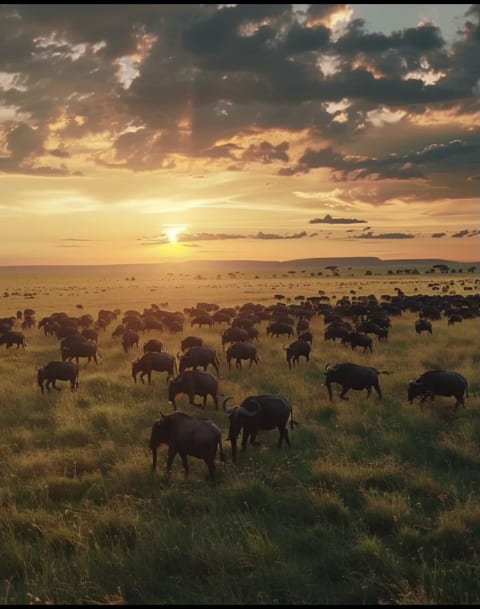
Burundi safari lodges offer authentic wildlife viewing experiences despite the country's smaller national parks.[6] Common sightings include hippos, water buffalo, antelopes, and over 200 bird species. While Burundi lacks the mega-herds of Tanzania or Kenya, it offers intimate wildlife encounters with fewer tourists.
What Wildlife You'll See
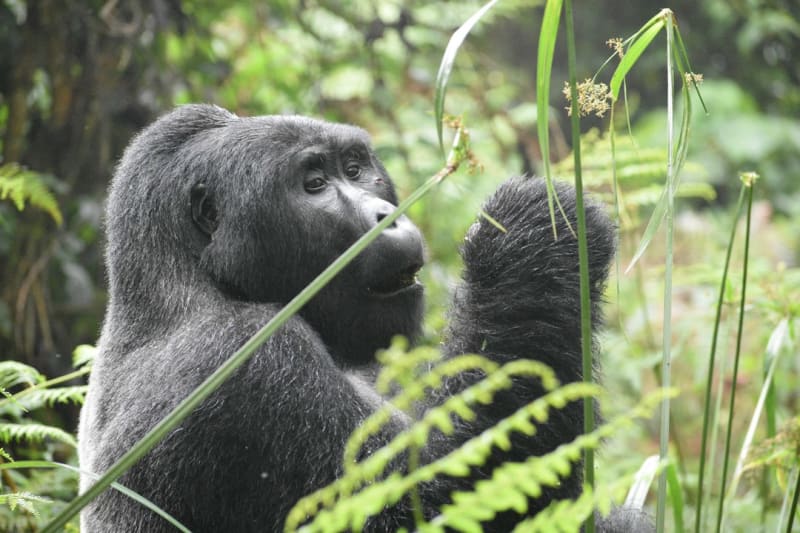
Ruvubu National Park, Burundi's largest protected area, hosts hippos, antelopes, water buffalo, and various bird species. Kibira National Park protects forest habitat with endemic birds, monkeys, and forest antelopes. Both parks offer rewarding wildlife viewing despite smaller animal populations than neighboring countries.
Early morning and late afternoon game drives provide best wildlife viewing. Guides use tracking skills and knowledge of animal behavior patterns to locate and approach wildlife. Patient observation often reveals animals that quick scanning misses.
Activities Beyond Game Drives
Many Burundi safari lodges offer activities beyond standard game drives. Walking safaris provide closer, quieter wildlife approaches. Birdwatching appeals to enthusiasts seeking to photograph and identify endemic species. Some lodges organize community visits to nearby villages for cultural experiences.
Photography safaris with specialized guides suit travelers carrying quality camera equipment. Guides position vehicles for optimal light and animal positioning. Night drives reveal nocturnal species like servals, genets, and nightjars, adding variety to daytime viewing.
Explore our detailed wildlife guide at Wildlife in Burundi: 9 Safari Animals to See in 2026 for comprehensive information about specific species, behavior patterns, and best viewing locations within Burundi's national parks.
Practical Logistics and Travel Tips
Reaching Burundi requires planning, as the country lacks major international airports. Most travelers fly into Rwanda or Uganda, then travel overland to Burundi. Travel documents, vaccinations, and currency exchange require advance preparation.
Getting to Burundi
International flights typically arrive in Kigali, Rwanda or Entebbe, Uganda. From Kigali, it's a 4-5 hour drive to Burundi's border. From Entebbe, the journey takes 8-10 hours with possible overnight stops. SafariFind operators typically arrange ground transportation from regional airports to your lodge.
A valid passport with at least six months validity is required. Most travelers need visas, which can be obtained on arrival or through embassies before departure. Check current visa requirements with the Burundi embassy in your country.
Vaccinations for yellow fever, typhoid, and malaria prophylaxis are recommended. Consult your physician about appropriate vaccinations based on your health history. Malaria risk exists year-round but peaks during rainy seasons.
Currency and Money Management
Burundi's currency is the Burundian franc (BIF). The exchange rate fluctuates, but approximately 1 USD equals 2,600-2,700 BIF in 2026. Major lodges and tour operators accept US dollars, but smaller establishments require local currency.
ATMs exist in larger towns but may not function reliably. Bring sufficient US dollars or euros to exchange at banks or lodges. Credit cards are rarely accepted outside major cities. Inform your bank of travel plans to avoid card blocks during your trip.
Best Time to Travel and Packing
Pack light, breathable clothing for warm daytime temperatures. Include a warm layer for cool mornings and evenings. Binoculars, sunscreen, and insect repellent are essential safari gear. A quality camera with extra batteries and memory cards enhances wildlife photography.
Bring prescribed medications in original containers with documentation. Over-the-counter medications available in Burundi may differ from your home country. Pack a basic first-aid kit for minor injuries.
Comparing Burundi Safari Tours Under $2,000 Total Cost
A 7-day Burundi safari totaling under $2,000 per person is achievable with budget-conscious choices. This budget typically includes accommodation, meals, park fees, and guide services but excludes international flights.[1] Our detailed analysis at Burundi Safari Tours Under $2,000: Budget Operators 2026 breaks down specific operator packages meeting this constraint.
Sample 7-Day Budget Breakdown
Budget lodges at $50/night × 6 nights = $300. Park fees at $20/day × 6 days = $120. Guide services at $60/day × 6 days = $360. Meals at $25/day × 7 days = $175. Transportation and tips = $150. Total = $1,105 per person.
This budget assumes group travel (4+ people sharing transportation) and budget accommodations. Add $200-$400 for flights from regional hubs. Upgrading to midrange lodges increases costs by $300-$500 total.
Value Comparison: Burundi vs. Rwanda
A similar 7-day Rwanda safari costs $2,500-$3,500 per person.[2] Burundi delivers comparable wildlife viewing and lodge experiences at 40-50% lower cost. Rwanda's higher prices reflect greater international marketing and developed tourism infrastructure.
Both countries offer rewarding safari experiences. Burundi suits budget-conscious travelers willing to accept less-developed tourism infrastructure. Rwanda appeals to travelers prioritizing convenience and established service standards.
Key Takeaways
- Book Burundi safari lodges 3-6 months in advance to access early-booking discounts of 10-15% and secure preferred accommodations under $300 per night.
- Choose shoulder season travel (May or October) to save 10-20% on lodge rates while maintaining excellent wildlife viewing quality and smaller tourist crowds.
- Compare all-inclusive packages on SafariFind that bundle accommodation, meals, and safaris—these often cost 15-25% less than booking components separately.
- Verify guide qualifications and daily safari structure before booking to ensure experienced guides and sufficient game drive time for meaningful wildlife encounters.
- Budget $150-$200 daily for complete midrange safaris including lodging, meals, park fees, and guides—significantly lower than Rwanda, Uganda, or Tanzania options.
Frequently Asked Questions
What's the average cost of a Burundi safari lodge under $300 per night in 2026?
Burundi safari lodges under $300 per night range from $30-$60 for budget guesthouses, $100-$250 for midrange lodges, and $250-$300 for luxury properties.[2] The exact price depends on season, location, included amenities, and booking timing. Shoulder seasons (May and October) offer the best value with 10-20% lower rates than peak season.
Is Burundi cheaper than Rwanda and Uganda for safari lodges?
Yes, Burundi safari lodges cost 30-50% less than similar properties in Rwanda and Uganda.[2] A midrange Burundi lodge at $150-$200 per night would cost $250-$350 in Rwanda or $300-$400 in Uganda. Wildlife viewing quality is comparable, making Burundi excellent value for budget-conscious travelers.
What's included in Burundi safari lodge prices?
Inclusions vary by property and booking type. Budget guesthouses typically include accommodation and basic breakfast only. Midrange lodges usually include accommodation, all meals, and daily game drives. Luxury properties add amenities like spa services and premium beverages. Always confirm inclusions before booking, as some operators charge separately for park fees and guide services.
When should I book a Burundi safari for the best rates?
Book 3-6 months in advance during dry season (June-September) to access early-booking discounts and secure preferred lodges.[1] For shoulder seasons (May and October), booking 2-3 months ahead is sufficient. Rainy season safaris can be booked just 4-6 weeks ahead with last-minute discounts possible. Booking early typically saves 10-20% compared to last-minute reservations.
What wildlife can I see at Burundi safari lodges?
Burundi's national parks host hippos, water buffalo, various antelope species, and over 200 bird species.[6] While animal populations are smaller than Tanzania or Kenya, the intimate viewing experiences with fewer tourists often provide more memorable encounters. Ruvubu and Kibira National Parks offer the best wildlife viewing opportunities.
How much should I budget for a complete 7-day Burundi safari?
A 7-day budget Burundi safari costs $1,100-$1,400 per person including accommodation, meals, park fees, and guides.[1] Midrange safaris run $2,100-$3,500 per person. Add $200-$400 for flights from regional airports. These prices assume group travel; solo travelers pay 20-30% more per person. Browse verified operators on SafariFind to compare complete package pricing and read authentic traveler reviews.
Can I find verified Burundi safari operators on SafariFind?
Yes, SafariFind lists verified tour operators offering Burundi safari packages with authentic traveler reviews and transparent pricing.[5] Compare multiple operators to identify the best value for your budget and preferences. Read reviews from previous travelers to confirm service quality before booking. SafariFind's verified badge indicates operators meet quality standards and customer satisfaction requirements.
Conclusion
Burundi safari lodges under $300 per night deliver exceptional value for budget-conscious travelers seeking authentic East African experiences. Budget guesthouses at $30-$60 nightly suit independent backpackers, while midrange lodges at $100-$250 offer the best balance of comfort and affordability.[2] Even luxury properties at $250-$300 cost 50-70% less than comparable accommodations in Rwanda or Uganda, making Burundi an increasingly attractive safari destination in 2026.
Strategic booking timing and operator selection dramatically impact your final costs. Booking 3-6 months in advance saves 10-15%, while choosing shoulder seasons (May or October) reduces rates 10-20% without sacrificing wildlife viewing quality.[1] All-inclusive packages bundling accommodation, meals, and safaris often cost 15-25% less than booking components separately.
Burundi's less-developed tourism infrastructure means fewer international tourists and more intimate safari experiences. Wildlife viewing quality rivals Rwanda and Uganda despite smaller animal populations. The combination of authentic experiences, exceptional value, and personalized service makes Burundi ideal for travelers prioritizing budget without compromising quality.
Start your Burundi safari planning by exploring verified operators and packages on SafariFind. Compare multiple options, read authentic traveler reviews, and request quotes from verified tour operators. SafariFind helps you identify lodges matching your budget, preferred season, and comfort level while reading honest feedback from previous guests. Your perfect Burundi safari at under $300 per night awaits—begin comparing packages today and discover why this hidden gem delivers Africa's best safari value in 2026.
Plan Your Safari with SafariFind
These recommendations use real data from SafariFind, where you can compare operators, browse packages, and read verified traveler reviews before you book.
What Travelers Say (SafariFind Reviews)
Trips that match this guide