Ask Tembo
Safari Guides•18 min read
Burundi Safari in July 2026: Weather, Wildlife & Trip Costs

Discover Burundi Safari in July 2026: Weather, Wildlife & Trip Costs - Expert guide to safari tourism and wildlife destinations.
Trips that match this guide
Discover Burundi Safari in July 2026: Weather, Wildlife & Trip Costs - Expert guide to safari tourism and wildlife destinations.

Discover Gombe National Park Safari Packages: 2027 Prices and Booking - Expert guide to safari tourism and wildlife destinations.

Discover Malawi Safari Cost 2027: What a 7-Day Trip Really Costs - Expert guide to safari tourism and wildlife destinations.
SafariFind app
Keep up with your inquiries and bookings, and message operators wherever you are.

Last updated: July 2026
July combines Burundi’s dry-season wildlife viewing with warm days, cool nights, and easier travel on dirt roads.
A Burundi Safari in July 2026 costs about $650 to $2,900 per person, depending on trip length, accommodation, and comfort level. July is part of the best wildlife-viewing season, which runs from June to September. A 3-day trip suits short visits, while a 5-day route can include Rusizi and Kibira National Parks.
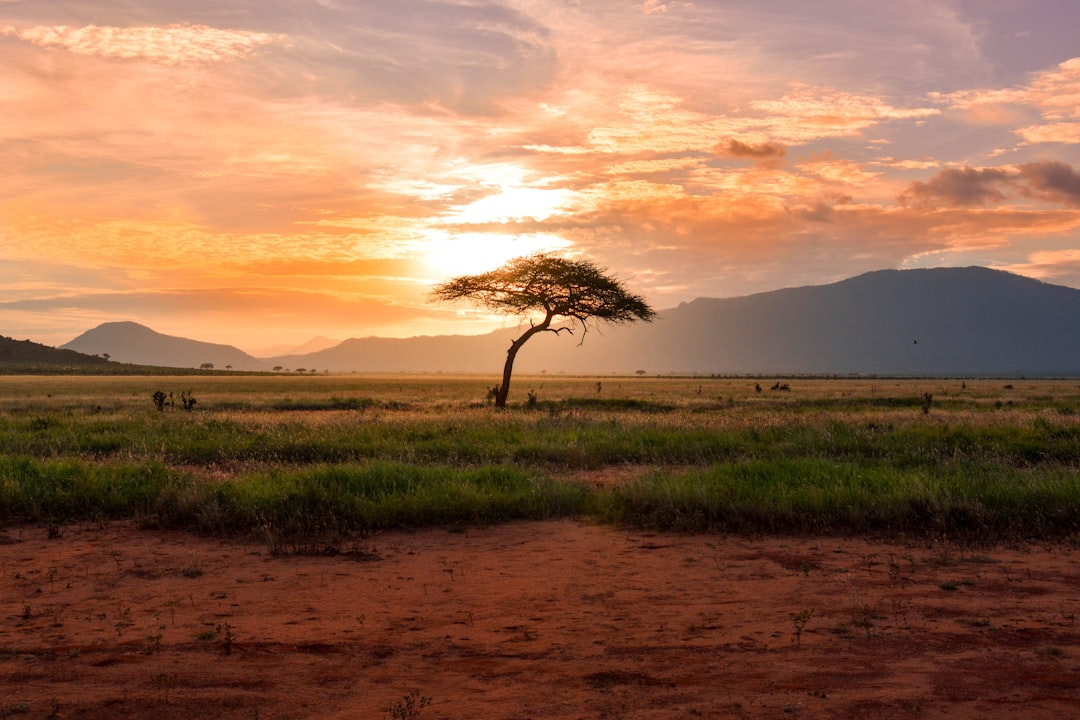
Burundi Safari in July 2026 is a dry-season trip focused on forest, wetland, and lake landscapes. July offers warm days, cool nights, and reduced rainfall. These conditions support outdoor travel and improve access along dirt roads to remote waterfalls [6].
Burundi is a compact East African destination with several different safari settings. Rusizi National Park offers wetland wildlife near Lake Tanganyika. Kibira National Park adds forest scenery and chimpanzee tracking to a longer route [2].
A Burundi safari is not the same as a large savanna safari in Kenya or Tanzania. The country suits travelers who want a quieter trip with primate tracking, river habitats, local culture, and varied landscapes. It also works well as an add-on to a wider Rwanda or Uganda journey.
Rusizi National Park is known for wetland wildlife, including crocodiles and other animals. The park gives travelers a different view of safari life. Instead of wide grasslands, you explore river channels, marsh areas, and habitats linked to Lake Tanganyika [2].
Kibira National Park is known for forest landscapes and chimpanzee tracking. A reported 5-day itinerary combines Rusizi National Park with Kibira National Park. This route creates a balanced trip with wetland wildlife, forest walks, and a chance to look for chimpanzees [2].
Burundi also appeals to travelers who enjoy moving between wildlife areas. A single park visit can feel short. A multi-day route gives you more time for road travel, guided activities, and changes in scenery.
July matters because it sits within Burundi’s strongest wildlife-viewing period. June to September is identified as the best season for wildlife viewing, while July brings pleasant weather and reduced rain [8]. Drier conditions can make some routes more comfortable than they are during wetter months.
July is also useful for travelers who want to combine a safari with outdoor sightseeing. Reduced rainfall can make dirt roads to remote waterfalls more passable [6]. However, road conditions still depend on the route, vehicle, and local weather. Ask your operator which roads your itinerary uses.
For a wider planning guide, read Wildlife in Burundi: 9 Safari Animals to See in 2026. It can help you match your trip length with the animals and habitats you want to see.
Compare Burundi safari packages and request a quote from verified operators before July dates become limited.
A Burundi safari in July 2026 costs about $650 to $2,900 per person. The final price depends on the number of days, accommodation level, route, and whether you choose a standard, mid-range, or luxury package. Reported 3–7 day safari costs range from about $1,000 to $2,900, while listed short packages start lower [3][4].
Budget safari packages generally cost about $100–$200 per person per day. Mid-range packages generally cost about $200–$400 per person per day [1]. These figures provide a planning guide, not a fixed quote. Ask for a written breakdown before paying a deposit.
The following prices come from listed Burundi holiday packages. They assume two people sharing standard-to-mid-range accommodation. A custom luxury trip costs more because it may include upgraded stays, private services, or a more flexible route [4].
| Name | Price | Duration | Best For |
|---|---|---|---|
| Short Burundi safari package | From $650 per person | 3 days | Short trips and Rwanda or Uganda add-ons |
| Wildlife and forest route | From $1,180 per person | 5 days | Rusizi and Kibira highlights |
| Extended Burundi safari package | From $1,850 per person | 7 days | Travelers wanting a slower route |
| Custom luxury Burundi safari | From $2,900 per person | Custom | Private comfort and flexible planning |
These package prices show why duration matters. A 3-day safari may suit a traveler with limited time. A 5-day route gives more room for Rusizi and Kibira. A 7-day trip allows more rest, transfers, and outdoor activities. Prices can also change when you travel alone instead of sharing a room.
Safari packages often group several major trip services into one price. The exact inclusions differ by operator, so read the itinerary carefully. A useful quote should state the following items:
International flights, visas, travel insurance, tips, drinks, and personal purchases may sit outside the package price. The research data does not provide one universal list of inclusions. Therefore, compare the full quote rather than comparing only the headline price.
Start by choosing your trip length. Then set a daily budget and ask operators to build around it. Sharing standard or mid-range accommodation can keep the per-person price lower. A private room, luxury lodge, or custom route can raise the total quickly.
For more detail, use the guide Burundi Safari Cost 2026: Real Prices by Lodge & Season. It explains the reported cost bands and helps you prepare better questions for operators.
Compare Burundi tour operators for a 5-day safari near $1,180 and review what each quote includes before you book.
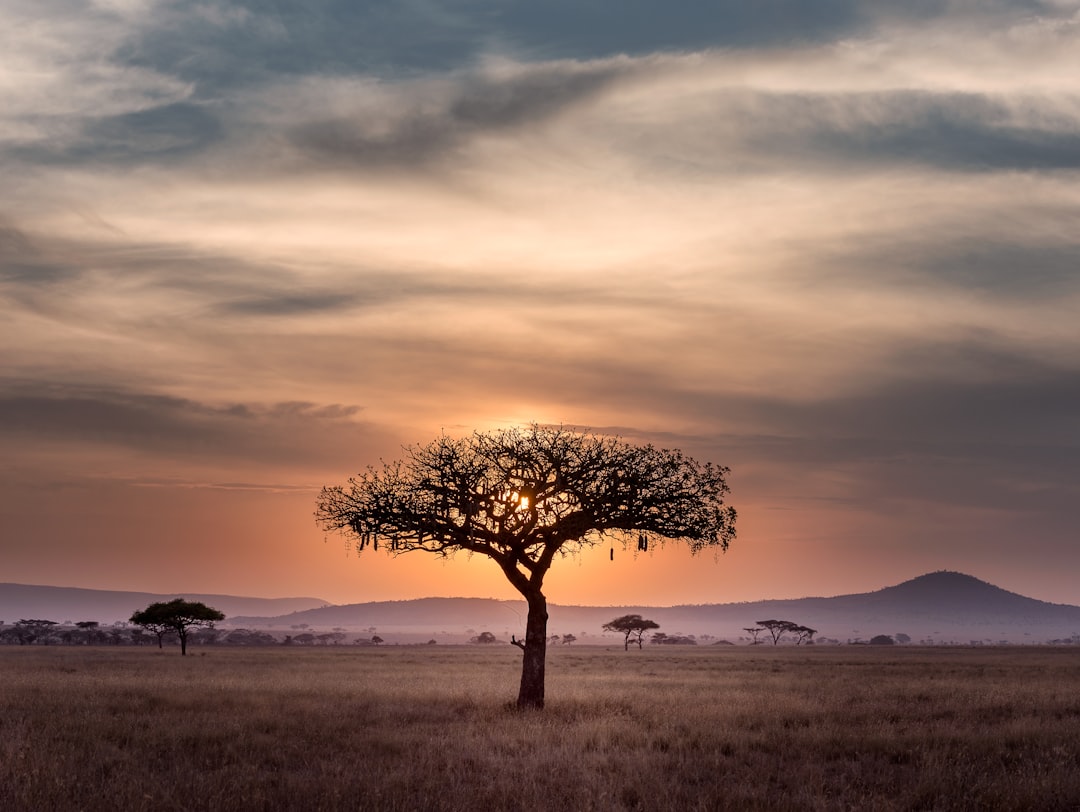
July gives Burundi safari travelers warm days, cool nights, and reduced rainfall. The drier weather supports game drives, forest visits, and road travel. It also improves access on dirt roads leading to remote waterfalls, although local road conditions can still change [6].
Wildlife viewing in Burundi focuses on habitats rather than one large migration. Rusizi offers wetland wildlife and crocodiles. Kibira offers forest habitat and chimpanzee tracking. Your guide should explain which animals are realistic for each park and activity.
Rusizi National Park is the better-known wetland stop in the reported 5-day route. The park supports crocodiles and other wildlife. Its setting near Lake Tanganyika adds water views and a different style of safari from a grassland drive [2].
Kibira National Park is the forest stop in the same reported route. Chimpanzee tracking is offered in Kibira. This activity requires patience because forest animals move through dense cover. Ask about the activity length, meeting point, fitness needs, and permit rules.
| Name | Price | Duration | Best For |
|---|---|---|---|
| Rusizi National Park | Included within selected packages | Part-day or multi-day visit | Crocodiles, wetlands, and lake scenery |
| Kibira National Park | Included within selected packages | Part of a 5-day route | Forest scenery and chimpanzee tracking |
| Remote waterfalls | Route-dependent | Day visit or add-on | Outdoor travel during reduced July rain |
Warm days make July suitable for active sightseeing. Cool nights mean you should pack a light warm layer. Reduced rain can help, but it does not remove the need for a rain jacket or waterproof cover.
Use simple, practical clothing. Choose light layers, firm walking shoes, sun protection, insect repellent, and a small day bag. Forest tracking and waterfall walks can involve uneven ground. Your operator can give route-specific advice before departure.
Plan early starts when possible. Morning activities can leave more time for transfers, park visits, and rest. A flexible schedule also helps when a guide adjusts the route for road conditions or wildlife movement.
Chimpanzee tracking is a search activity, not a guaranteed close encounter. Crocodile sightings also depend on the habitat and the day’s conditions. A good guide should explain the difference between a planned activity and a guaranteed sighting.
Read the detailed guide on nine safari animals in Burundi before choosing your route. Then tell your operator which wildlife matters most. Clear priorities help the operator suggest the right park mix.
The best way to plan a Burundi safari is to choose your route, budget, and activity goals first. July is a strong travel month for wildlife viewing, but each itinerary offers a different balance of parks, road time, accommodation, and guided activities. Start with a short list of must-see places.
A 3-day trip works for a quick visit or a regional add-on. A 5-day route can include Rusizi and Kibira, with chimpanzee tracking offered in Kibira [2]. A 7-day itinerary gives more time for travel and a slower pace, but it also costs more.
Trip length affects more than the price. Longer routes reduce the pressure to rush between parks. They also create more time for weather changes, road delays, and guided activities.
Ask every operator to list the package price per person. Confirm whether the quote assumes two people sharing a room. Also ask if the price changes for a solo traveler or private room.
SafariFind connects travelers with verified tour operators and authentic traveler reviews. Compare the full package, not only the lowest starting price. A clear quote makes it easier to compare comfort, route design, and service.
Accommodation is one of the main factors behind the difference between a $650 short package and a $2,900 custom luxury trip [4]. Standard rooms may suit budget travelers. Mid-range stays can offer more comfort. Luxury trips focus on upgraded rooms and private planning.
Review your lodge location before booking. A cheaper room may require longer transfers. A higher-priced stay may save time on the road. The right choice depends on whether you value comfort, park access, privacy, or a lower total cost.
Use Burundi Safari Lodges 2026: 5 Stays Worth Comparing Now when comparing stay types. Make sure your operator confirms availability for your July dates.
Pack for warm days and cool nights. Bring a light jacket, walking shoes, sun protection, insect repellent, and rain protection. Keep important documents and medicines in your hand luggage.
Ask about health, entry, safety, and route rules before travel. The available research does not provide a complete current list of entry requirements. Therefore, confirm those details with official travel advice and your operator before departure.
Review the route before you pay. The guide Is Burundi Safe for Safari in 2026? can help you prepare questions about risks, routes, and rules.
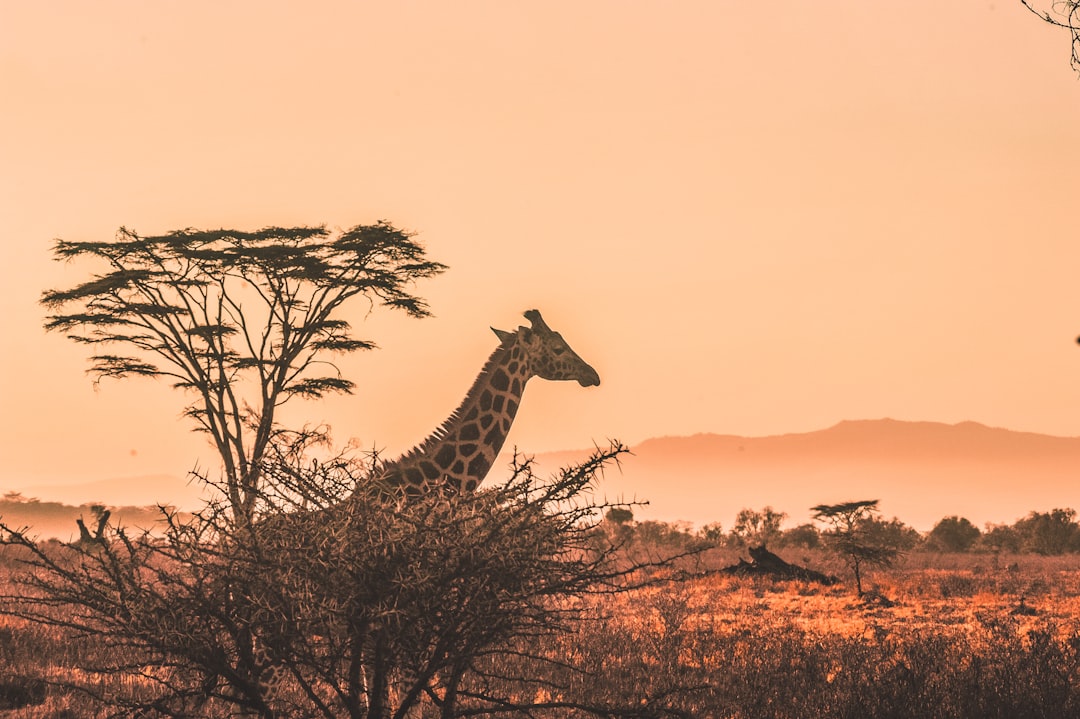
A Burundi safari in July 2026 costs about $650 to $2,900 per person. Listed examples include $650 for 3 days, $1,180 for 5 days, $1,850 for 7 days, and $2,900 for a custom luxury package [4]. Accommodation and trip length drive much of the price difference.
July is a good month for a Burundi safari because it offers warm days, cool nights, and reduced rainfall. June to September is the strongest wildlife-viewing period, and drier conditions can improve access on dirt roads [6][8]. Pack layers because nights can feel cool.
Burundi safari highlights include crocodiles and other wetland wildlife in Rusizi National Park. Kibira National Park offers forest scenery and chimpanzee tracking [2]. Sightings depend on habitat, guide skill, and daily conditions, so operators should explain realistic wildlife expectations.
You need 3 days for a short Burundi safari, 5 days for a wider wildlife route, or 7 days for a slower trip. A reported 5-day itinerary includes Rusizi National Park and Kibira National Park, with chimpanzee tracking offered in Kibira [2].
Pack light clothing for warm days, a light jacket for cool nights, firm walking shoes, sun protection, insect repellent, and rain protection. July has reduced rainfall, but a waterproof layer remains useful for forest visits, waterfall walks, and changing road conditions.
You can compare verified Burundi safari packages on SafariFind, review authentic traveler feedback, and request a quote from listed tour operators. Compare route details, accommodation, included activities, and payment terms before choosing your July 2026 trip.
Burundi is a strong July safari choice for travelers who value forests, wetlands, primates, and quieter routes. The month brings warm days, cool nights, and reduced rainfall. June to September is the best wildlife-viewing period, making July a useful time for Rusizi and Kibira National Parks [8].
Set a realistic budget before you request quotes. A listed 3-day package starts at $650. A listed 5-day route starts at $1,180, while 7-day and custom luxury options start at $1,850 and $2,900 [4]. These prices assume two people sharing standard-to-mid-range accommodation.
Choose three days for a short regional add-on. Choose five days for a fuller wildlife route with forest and wetland settings. Choose seven days when you want a slower pace and more flexible sightseeing.
Compare verified Burundi safari packages on SafariFind, read authentic reviews, and request a quote from operators for your July dates. In 2026, careful comparison remains the best way to match your budget with the right route, lodge, and wildlife experience.
These recommendations use real data from SafariFind, where you can compare operators, browse packages, and read verified traveler reviews before you book.
3-Day Best of Burundi Experience • $1,400 • 3 days • by Kubwa Five Safaris
by Kubwa Five Safaris • 3 Days
2-Day Nyungwe Chimpanzee Trekking & Canopy Walk Tour • $1,930 • 2 days • by Maseke Adventures
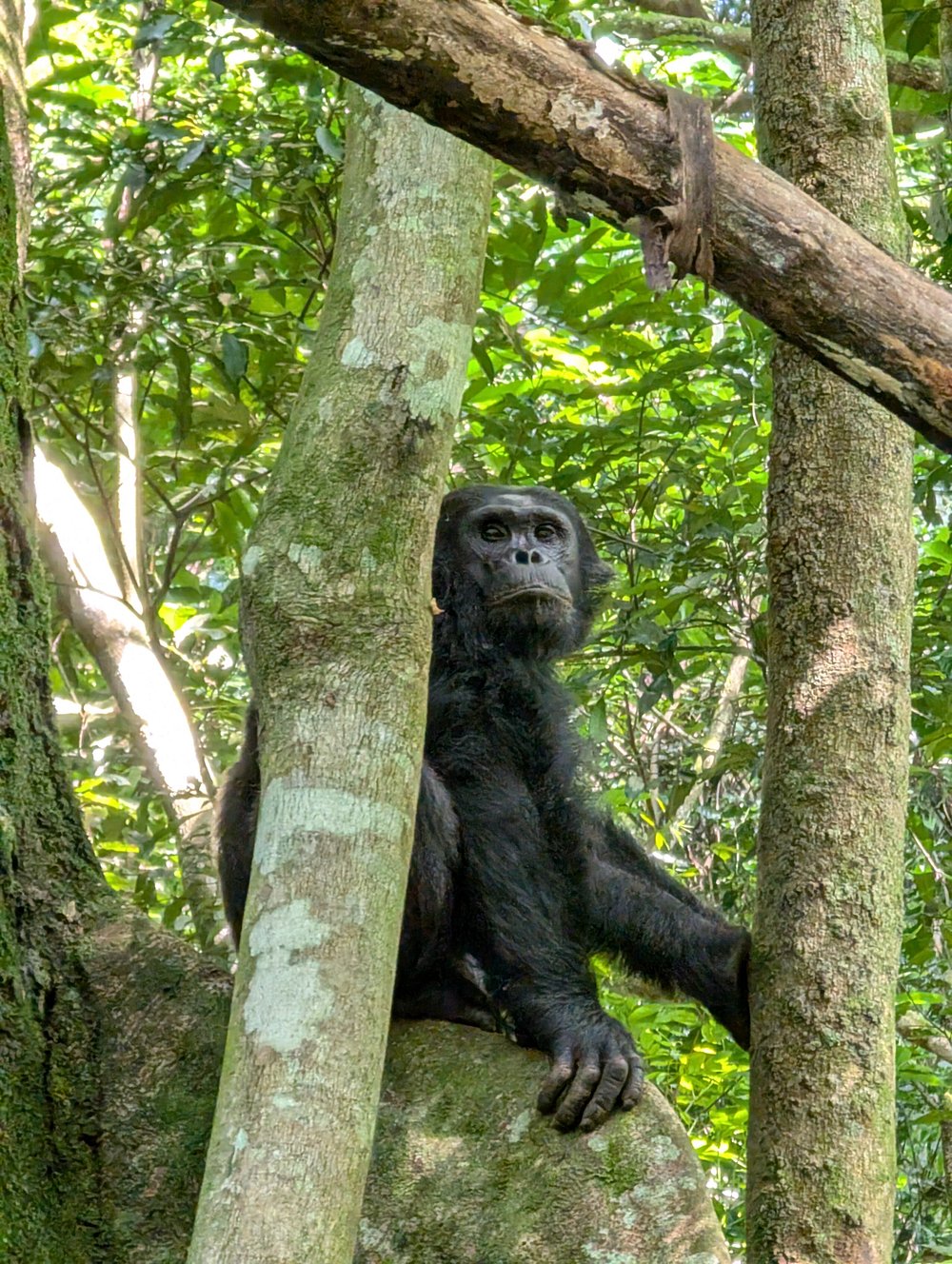
by Maseke Adventures • 2 Days
"My husband and I met working close to Mwanza many years ago. It was so special for us to relive our time in this wonderful part of the world. There were five of us, including our young friend who managed to meet family in Burundi. We had an awesome trip on safari, animals so close Tenting camps a super experience. Juma was a spectacular guide, changed schedules easily, with excellent advice and always a smile. Our safari driver was the best with so many stories to tell. This made our trip. Nongwi in the north of Zanzibar was a beautiful place to relax, take boat trips and swim in the turquoise ocean. So much to see and experience and we all loved it."