Burundi Safari Cost 2026: Budget vs Luxury Breakdown
Burundi safari costs $650–$2,900 per person in 2026. Compare budget ($200/day), mid-range ($250–$350/day), and luxury ($350–$500+/day) packages with verified operators.
A Burundi safari costs between $650 and $2,900 per person, depending on duration and accommodation level. Budget safaris start at $200 per day, while luxury experiences exceed $400 per day. The best time to visit is June to September for the dry season. Compare verified operators on SafariFind to find transparent pricing and authentic reviews.
At a Glance
Cost range: $650–$2,900 per person for 3–7 day safaris
Daily rate: $200–$400+ per person depending on lodge tier
Best time: June to September (dry season)
Duration: 3–7 days recommended
Best for: Budget travelers, nature lovers, primate trekkers
Main parks: Rusizi National Park, Kibira National Park
What Is Burundi Safari Cost 2026: Budget vs Luxury Breakdown?
Burundi safari costs in 2026 vary widely based on accommodation, duration, and season.[1] A budget safari in Burundi costs between $650 and $1,200 per person for a 3-day trip, while luxury packages range from $2,000 to $2,900 for the same duration.[1] Understanding these price tiers helps you pick the right safari for your budget and travel style.
Budget safaris focus on basic accommodations and shared transport. Mid-range safaris add comfort with better lodges and private guides. Luxury safaris include premium lodges, fine dining, and exclusive experiences.[3] Each tier offers unique advantages depending on your priorities and finances.
Burundi remains one of Africa's most affordable safari destinations compared to Kenya or Rwanda.[4] Park entry fees typically cost under $40 per day, making Burundi appealing to cost-conscious travelers.[4] The country's less crowded parks mean you get intimate wildlife experiences without premium pricing.
Seasonal pricing affects costs significantly. Dry season (June to September) costs 15–25% more than shoulder seasons.[1] Rain seasons (March to May and October to November) offer discounts of 20–30% but present muddy roads and fewer wildlife sightings.
Why Budget vs Luxury Matters
Choosing between budget and luxury safaris impacts your comfort, wildlife viewing quality, and overall experience. Budget safaris work well for independent travelers and first-timers. Luxury safaris suit those seeking premium comfort and specialized experiences like primate tracking with expert naturalists.
Your choice also affects how much time you spend driving versus relaxing. Budget lodges may require longer daily drives to reach game areas. Luxury lodges often sit closer to wildlife hotspots, reducing travel time and increasing sighting chances.
Budget Safari Breakdown: $200–$250 Per Day
Budget safaris in Burundi cost $200 to $250 per person daily, totaling $600–$1,500 for a 3–7 day trip.[1][5] This price typically includes basic accommodation, park fees, shared safari vehicle, and a guide. Meals at budget lodges are simple but filling, featuring local cuisine and fresh fruits.
Budget Accommodation Options
Budget guesthouses in Burundi charge $30 to $60 per night.[3] These modest lodges offer clean rooms, basic bathrooms, and communal dining. Popular budget lodges near Rusizi National Park include simple but functional properties in towns like Bujumbura.
Many budget safaris use shared safari vehicles with other travelers, reducing per-person costs. You'll typically share a 4-person vehicle with 4–6 other guests. This communal approach cuts expenses while creating opportunities to meet fellow travelers.
What's Included in Budget Packages
Budget safari packages usually cover park entry fees, guide services, and basic meals.[1] Transport between lodges and park entrances is included. However, beverages, tips, and personal expenses cost extra.
Budget safaris often use longer drive days to maximize wildlife viewing within your timeframe. You might spend 6–8 hours daily in the vehicle. This requires patience but rewards dedicated wildlife watchers with more sighting opportunities.
Explore budget-friendly safari options on SafariFind where you can compare verified operators offering transparent pricing and read authentic traveler reviews to find the best value packages.
Mid-range safaris cost $250 to $350 per person daily, totaling $750–$2,450 for a 3–7 day trip.[1][7] These packages offer comfortable accommodations, private or semi-private vehicle options, and more personalized service than budget safaris. You get better food quality and more flexible activity schedules.
Mid-Range Accommodation Standards
Mid-range lodges charge $100 to $250 per night.[3] These properties feature private bathrooms, decent furnishings, and dining areas with better meal variety. Many mid-range lodges provide scenic views and outdoor sitting areas for evening relaxation.
Rooms typically include basic amenities like fans or air conditioning, mosquito nets, and hot water. Common areas feature comfortable seating where guests gather to share safari stories and photos. Some mid-range lodges offer activities like hiking or bird watching beyond safari drives.
Enhanced Services and Flexibility
Mid-range packages often include a private or semi-private safari vehicle. You choose activity timing and can request specific wildlife interests. A dedicated guide learns your preferences and adjusts daily routes accordingly.
Meals at mid-range lodges feature more variety and better preparation. Breakfast includes eggs, fresh fruit, and local breads. Lunch and dinner offer multiple dishes with vegetarian options. Coffee and tea are available throughout the day.
Mid-range safaris suit travelers wanting comfort without luxury pricing. You avoid budget accommodation basics while skipping luxury's extra expense. This tier offers the best value for most safari-goers seeking balance between comfort and cost.
Luxury Safari Breakdown: $350–$500+ Per Day
Luxury safaris in Burundi cost $350 to $500 or more per person daily, totaling $1,050–$3,500+ for a 3–7 day trip.[1][7] Premium packages include upscale lodges, private guides, gourmet meals, and exclusive experiences. You enjoy maximum comfort and personalized attention throughout your safari.
Premium Lodges and Accommodations
Luxury lodges charge $250 to $450 per night or higher.[7] These properties feature spacious suites with en-suite bathrooms, quality furnishings, and scenic views. Many offer amenities like swimming pools, spa services, and lounge areas with stunning vistas.
Luxury accommodations provide premium bedding, quality toiletries, and 24-hour hot water. Some include private patios or terraces overlooking wildlife areas. Staff provide turndown service and personalized attention to guest preferences.
Exclusive Experiences and Services
Luxury safaris include private vehicles and personal guides selected based on your interests. You set your own schedule with no time constraints. Early morning and evening game drives focus on your preferred wildlife species.
Gourmet meals feature international cuisine prepared by trained chefs. Special dietary needs are accommodated with advance notice. Wine and premium beverages complement dinner service. Many luxury lodges offer bush dinners under the stars with private catering.
Luxury packages often include specialized activities like primate tracking with expert naturalists, photography workshops, or cultural visits to local communities. Some offer helicopter flights over national parks or hot air balloon safaris for premium views.
Request quotes from verified luxury safari operators on SafariFind to compare premium packages, see ratings from past guests, and find exclusive experiences tailored to your interests.
Seasonal pricing significantly impacts Burundi safari costs. Dry season (June to September) costs 15–25% more than shoulder seasons.[1] Wet seasons (March to May and October to November) offer discounts but present challenges for wildlife viewing and road conditions.
Dry Season: June to September (Peak Pricing)
The dry season is Burundi's peak tourist period with the best wildlife viewing. Prices peak during these months, especially July and August. Budget safaris cost $200–$250 daily, mid-range $300–$350, and luxury $400–$500+ per day.[1]
Dry season offers concentrated wildlife viewing as animals gather near water sources. Vegetation is sparse, making animals easier to spot. Roads are passable without difficulty, and rainfall is minimal.
Book dry season safaris 2–3 months ahead to secure preferred lodges and guides. Discounts of 10–15% are possible for early bookings or multi-day packages. Group bookings sometimes receive additional discounts.
Shoulder Season: September to November and February to March
Shoulder seasons offer moderate pricing with 10–20% discounts compared to peak season.[1] Budget safaris cost $170–$220 daily, mid-range $250–$300, and luxury $320–$400 per day. Weather is transitional with occasional rain but generally manageable.
Wildlife viewing is still good during shoulder seasons, though less concentrated than dry season. Vegetation is greener, offering scenic landscapes. Fewer tourists mean more intimate experiences and less crowded lodges.
Wet Season: March to May and October to December
Wet season offers the deepest discounts, with 20–30% reductions from peak pricing.[1] Budget safaris cost $150–$180 daily, mid-range $200–$250, and luxury $280–$350 per day. Heavy rains make roads muddy and some areas inaccessible.
Wildlife viewing is challenging during peak rains due to scattered animals and dense vegetation. However, bird watching improves significantly. Lush landscapes provide stunning photography opportunities. Very few tourists mean peaceful experiences and minimal crowds.
What's Included vs Extra Costs
Understanding what's included in your safari package prevents budget surprises. Most Burundi safari packages include accommodation, park fees, guide services, and vehicle transport. However, meals, beverages, tips, and activities sometimes cost extra.
Typically Included in Packages
Park entry fees (usually under $40 daily per person)
Safari vehicle and fuel
Professional guide services
Accommodation at the booked lodge
Basic meals (breakfast, lunch, dinner at budget/mid-range; gourmet meals at luxury)
Ground transport between lodge and park
Common Extra Costs
Beverages and alcohol ($2–$10 daily depending on lodge tier)
Tips for guides and staff (10–15% of package cost is customary)
Travel insurance ($30–$100 depending on coverage)
International flights to Burundi
Visa fees (varies by nationality)
Personal expenses and souvenirs
Optional activities like helicopter tours or specialized guides
Laundry services at some lodges
Always ask operators to clarify what's included before booking. Request a detailed cost breakdown showing accommodation, meals, activities, and fees separately. This transparency helps you compare packages accurately across different operators.
Budget an extra $100–$300 per person for tips, beverages, and incidentals beyond your package cost. This ensures you're not caught off guard by unexpected expenses during your safari.
Popular Safari Destinations and Their Costs
Burundi has two main safari destinations, each with distinct experiences and pricing. Rusizi National Park focuses on water-based wildlife, while Kibira National Park emphasizes forest trekking and primates.[4] Your destination choice affects daily costs and included activities.
Rusizi National Park Safaris
Rusizi National Park features hippos, crocodiles, and water birds along the Ruzizi River.[4] Park entry costs under $40 daily per person.[4] Safari packages here cost $650–$1,500 for 3 days at budget level, $1,200–$2,100 at mid-range, and $1,800–$2,900 at luxury tier.[1]
Rusizi safaris typically include boat tours along the river, spotting hippos and crocodiles. Morning and evening game drives visit grassland areas. You might see buffalo, antelopes, and various bird species. The park is less crowded than East African parks, offering quieter experiences.
Rusizi suits wildlife photographers and bird enthusiasts. The river provides dramatic backdrops for photos. Best visiting time is June to September when water levels concentrate animals near the riverbank.
Kibira National Park Safaris
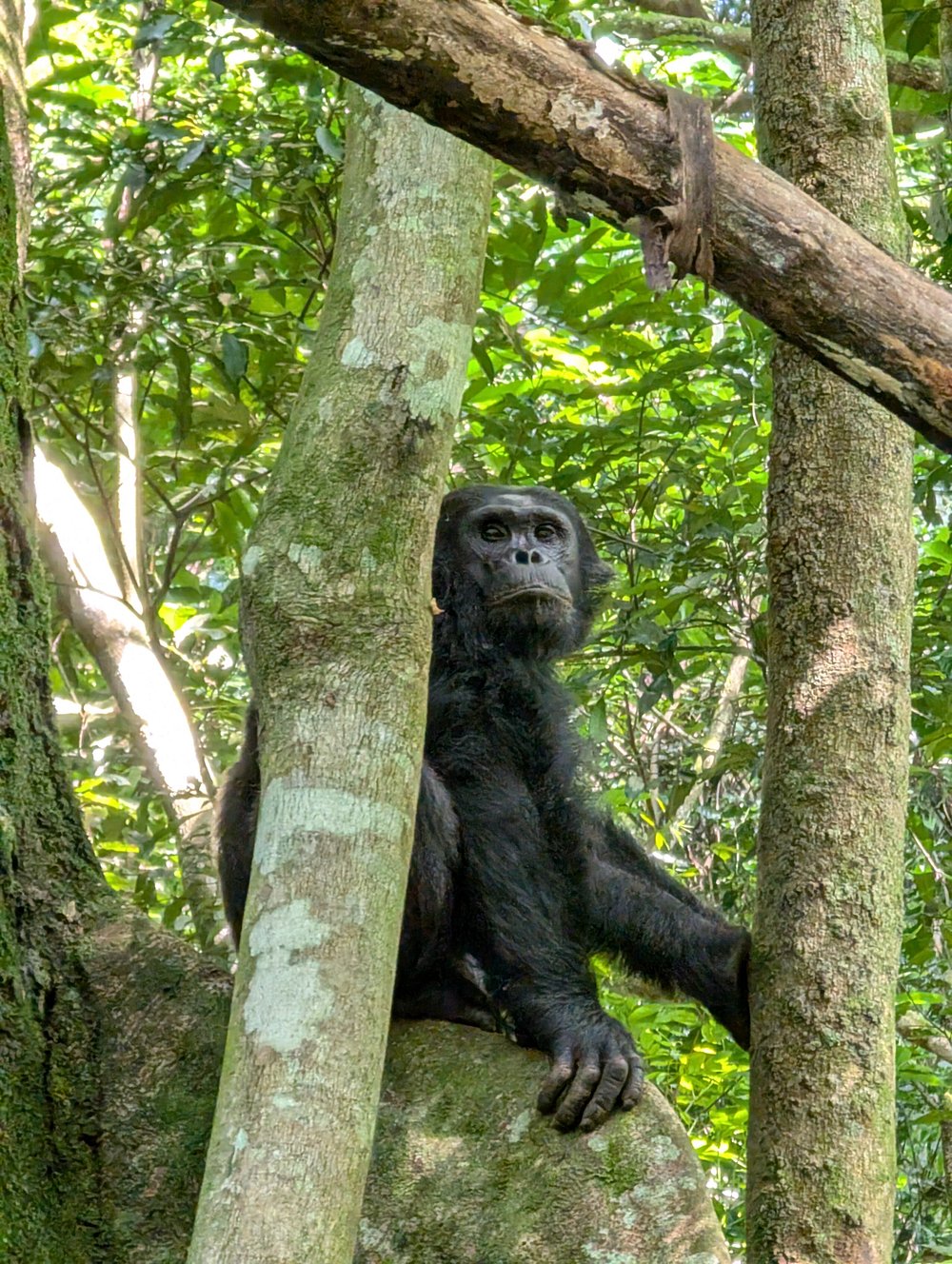
Kibira National Park is a forested mountain reserve known for primate tracking and bird watching.[4] The park features forest trails, waterfalls, and scenic viewpoints. Park entry costs under $40 daily per person.[4] Safari packages cost $700–$1,600 for 3 days at budget level, $1,300–$2,200 at mid-range, and $2,000–$3,200 at luxury tier.[1]
Kibira safaris emphasize guided forest hikes seeking colobus monkeys, chimpanzees, and forest birds. You'll trek through dense vegetation on narrow trails. Physical fitness is more important here than in vehicle-based safaris. Early morning hikes offer the best primate sighting chances.
Kibira suits active travelers interested in primates and forest ecosystems. Hiking difficulty is moderate to challenging depending on your fitness level. The park is beautiful year-round, but dry season (June to September) offers easier trekking conditions.
Compare safari packages for both destinations on SafariFind to see verified operators specializing in Rusizi or Kibira experiences with authentic traveler reviews and transparent pricing.
How to Save Money on Your Burundi Safari
Savvy travelers can reduce safari costs through strategic booking and timing. Simple choices like traveling during shoulder season, booking group tours, or combining activities can save 20–40% compared to standard pricing.
Book During Shoulder Season
Traveling in September to November or February to March saves 10–20% compared to peak season.[1] Wildlife viewing remains excellent while prices drop significantly. You'll enjoy fewer tourists and more intimate lodge experiences.
Choose Shared Vehicle Tours
Shared vehicle safaris cost 30–40% less than private vehicle options. You'll travel with other tourists in a larger vehicle. This reduces per-person costs while creating social opportunities with fellow travelers.
Book Multi-Day Packages
Longer safaris (5–7 days) typically offer better daily rates than short 3-day trips. A 7-day budget safari might cost $1,200 (about $170 daily) versus $650 for 3 days (about $215 daily). Longer trips amortize fixed costs like guide fees across more days.
Travel in a Group
Group bookings (4+ people) often receive discounts of 10–15%. Operators can reduce per-person costs by sharing vehicle and guide expenses. Coordinate with friends or join group tours through SafariFind operators.
Skip Peak Months
Avoid July and August when prices peak. June and September offer good wildlife viewing at lower rates. Early booking discounts also apply during these less-crowded months.
Comparing Burundi Safaris to Neighboring Countries
Burundi offers significantly lower costs than neighboring Rwanda, Uganda, and Kenya.[4] A comparable 3-day safari costs $650–$1,200 in Burundi versus $1,500–$2,500 in Rwanda and $2,000–$3,500 in Kenya. This makes Burundi ideal for budget-conscious safari enthusiasts.
However, neighboring countries offer different experiences. Rwanda focuses on mountain gorilla trekking, Uganda on Nile safaris and chimpanzee tracking, and Kenya on large wildlife migrations. Burundi offers quieter, less-crowded experiences at lower prices but with fewer mega-herds.
Once you've chosen your budget tier and preferred season, booking your Burundi safari involves selecting an operator, requesting quotes, and comparing options. Verified operators provide transparent pricing, authentic reviews, and reliable service.
Choose a Verified Operator
Book through verified tour operators with authentic reviews. SafariFind lists trusted Burundi safari operators with ratings from previous travelers. Check operator credentials, experience level, and customer feedback before committing.
Ask operators about their cancellation policies, payment schedules, and what happens if you need to reschedule. Reputable operators offer flexibility and clear terms.
Request Detailed Quotes
Contact multiple operators and request itemized quotes showing accommodation, meals, activities, and fees separately. This transparency helps you compare options fairly. Ask about current discounts for your preferred dates.
Verify Inclusions
Confirm what's included in the quoted price. Ask specifically about meals, beverages, park fees, and transportation. Understanding inclusions prevents surprises and helps you budget accurately for extra costs.
Book budget safaris 2–3 months ahead during shoulder season (September–November) to save 20–30% while maintaining good wildlife viewing and avoiding peak season crowds.
Choose shared vehicle tours instead of private vehicles to reduce per-person costs by 30–40% and meet other travelers sharing similar safari interests.
Budget $200–$250 daily for budget safaris, $250–$350 for mid-range, and $350–$500+ for luxury experiences including accommodation, meals, park fees, and guide services in 2026.
Add $100–$300 per person for tips, beverages, and incidentals beyond your quoted package price to avoid budget surprises during your Burundi safari.
Compare verified operators on SafariFind to read authentic reviews, see transparent pricing, and request quotes from multiple companies before booking your preferred dates.
Frequently Asked Questions
How much does a 3-day Burundi safari cost in 2026?
A 3-day Burundi safari costs $650–$1,200 at budget level, $1,200–$1,800 at mid-range, and $1,800–$2,700 at luxury tier in 2026.[1] Prices vary based on accommodation quality, season, and included activities. Dry season (June–September) costs 15–25% more than shoulder seasons.
What's included in a typical Burundi safari package?
Most Burundi safari packages include accommodation, park entry fees, professional guide services, safari vehicle and fuel, and meals.[1] Beverages, tips, and optional activities typically cost extra. Always request an itemized breakdown from your operator to confirm what's covered before booking.
Is Burundi safari cheaper than Kenya or Rwanda?
Yes, Burundi safaris are significantly cheaper than Kenya or Rwanda.[4] A comparable 3-day safari costs $650–$1,200 in Burundi versus $1,500–$2,500 in Rwanda and $2,000–$3,500 in Kenya. Burundi offers lower costs while maintaining quality wildlife experiences in less-crowded parks.
When is the best time to visit for budget-conscious travelers?
Shoulder season (September–November and February–March) offers the best value for budget travelers.[1] Prices drop 10–20% compared to peak season while wildlife viewing remains good. Dry season (June–September) costs more but provides the best animal sightings if budget allows.
How much should I budget for tips and extra costs?
Budget an additional $100–$300 per person beyond your safari package cost for tips, beverages, personal items, and optional activities.[3] Tips for guides and lodge staff typically total 10–15% of your package cost. This ensures you're prepared for expenses not covered by your quoted price.
Can I find budget safaris under $1,000 for 3 days?
Yes, budget Burundi safaris start at $650–$800 for 3 days during shoulder or wet seasons.[1] Choosing shared vehicles, traveling with a group, and booking directly with operators can reduce costs further. Verify inclusions carefully to ensure you're getting a quality experience at this price point.
Where can I find verified Burundi safari operators with transparent pricing?
SafariFind connects you with verified Burundi safari operators offering authentic reviews and transparent pricing. Browse available packages, request quotes from multiple operators, and compare prices, ratings, and traveler feedback to find the best option for your budget and preferences.
Conclusion
Burundi safari costs in 2026 range from $650 to $2,900 per person, offering affordable options for every budget tier.[1] Budget safaris start at $200 daily, mid-range at $250–$350, and luxury experiences exceed $400 per day.[1] The best time to visit is June to September for peak wildlife viewing, though shoulder seasons (September–November) offer excellent value with 10–20% discounts.[1]
Your safari experience depends more on timing, operator choice, and setting realistic expectations than on spending the most money. A well-planned budget safari often delivers better memories than an expensive rushed trip. Focus on finding verified operators with excellent reviews rather than chasing the cheapest prices.
For your next Burundi safari, start by exploring verified operators on SafariFind. Compare packages for Rusizi or Kibira National Parks, read authentic traveler reviews, and request itemized quotes. Whether you choose a budget, mid-range, or luxury experience, SafariFind helps you find transparent pricing and reliable operators for an unforgettable African adventure.
These recommendations use real data from SafariFind, where you can compare operators, browse packages, and read verified traveler reviews before you book.
"My husband and I met working close to Mwanza many years ago. It was so special for us to relive our time in this wonderful part of the world. There were five of us, including our young friend who managed to meet family in Burundi. We had an awesome trip on safari, animals so close Tenting camps a super experience. Juma was a spectacular guide, changed schedules easily, with excellent advice and always a smile. Our safari driver was the best with so many stories to tell. This made our trip. Nongwi in the north of Zanzibar was a beautiful place to relax, take boat trips and swim in the turquoise ocean. So much to see and experience and we all loved it."

 Ask Tembo