
 Ask Tembo
Black Rhino Conservation in Kenya: Status and Progress 2026
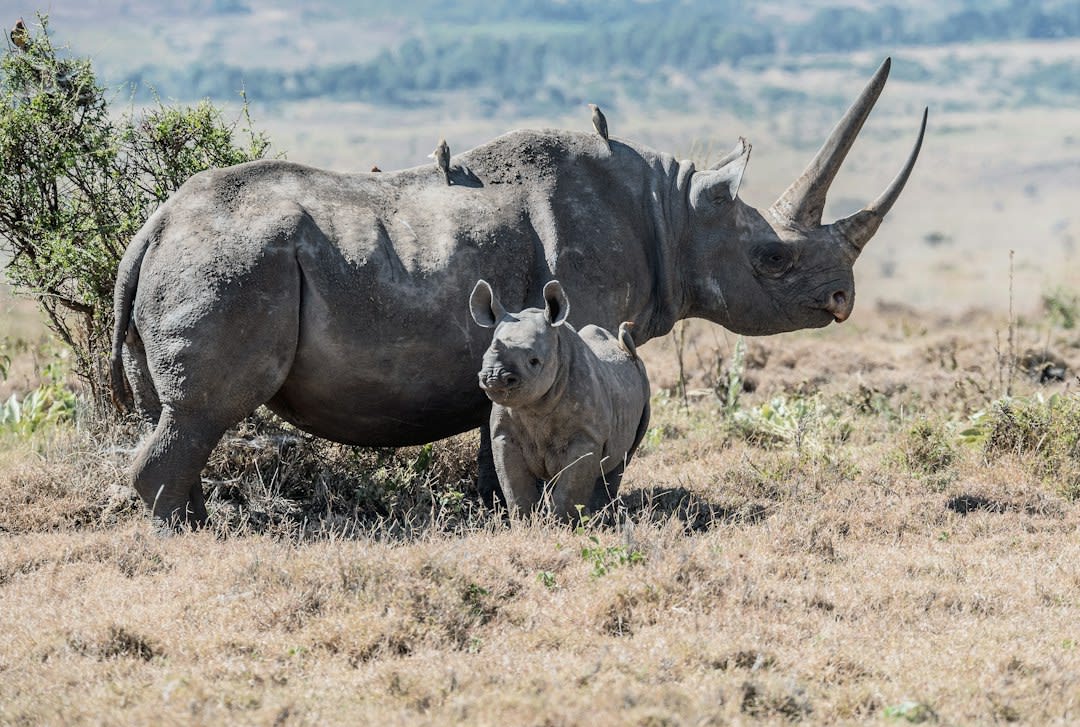
Kenya recorded 1,059 black rhinos at the end of 2024, after rebuilding the population from fewer than 400 in the late 1980s. Conservation now faces a different problem: several protected areas are reaching carrying capacity, so new secure habitat and careful translocations are urgent. [1][2]
Quick answer: Black rhino conservation in Kenya has moved from emergency protection to managed expansion. Kenya recorded 1,059 black rhinos at the end of 2024, a major recovery from approximately 370 in 1989, but many established sanctuaries are now close to their ecological limits. The next task is to create larger, secure areas where rhinos can breed, disperse and maintain genetic diversity. [1][2]
Last reviewed November 2026. Conservation data changes. See the cited sources for the latest figures.
Why black rhino conservation matters in Kenya
Kenya is one of the most important countries for the eastern black rhino, Diceros bicornis michaeli. The subspecies suffered a severe collapse during the poaching crisis of the 1970s and 1980s. Kenya's population fell from approximately 20,000 rhinos to about 370 by 1989, when the Kenya Wildlife Service, or KWS, was established. [1]
The animal's recovery is one of Kenya's clearest conservation successes, but it is not a finished story. Black rhinos still face illegal killing, habitat pressure and the risks that come with concentrating many animals in small, intensively managed sanctuaries. KWS and its partners now have to protect the population while giving it room to grow. [1][2]
Black rhinos are browsers. They feed mainly on woody vegetation, shrubs and other plants, so they need secure habitat with enough food, water and cover. A healthy population also needs more than one safe site. If too many animals remain in one place, territorial fights, competition for resources and stress can rise. [2][3]
For visitors planning Kenya safari packages, this matters because the best wildlife safari experiences depend on long-term protection rather than short-term sightings. A rhino encounter is the visible result of years of ranger work, veterinary planning, habitat management and cooperation with surrounding communities.
Black rhino numbers in Kenya
Kenya's confirmed black rhino population reached 1,059 animals on 31 December 2024, according to a 2026 review of the national conservation programme. The same review records the population's fall from approximately 20,000 to 370 by 1989. [1]
| Period | Reported Kenyan black rhino population | What it shows |
|---|---|---|
| 1970s | Approximately 20,000 | Kenya held a much larger population before the worst poaching losses. [1] |
| 1989 | Approximately 370 | The population had reached a critical low when KWS was established. [1] |
| End of 2024 | 1,059 | Kenya passed the milestone of 1,000 indigenous black rhinos. [1][2] |
The International Rhino Foundation's 2026 State of the Rhino report lists 2,102 rhinos of all species in Kenya at the end of 2024, including 1,059 black rhinos and 1,043 white rhinos. It recorded two rhinos poached in Kenya during 2024. That figure covers reported rhino poaching across the country, not only black rhinos. [2]
A national target of 2,000 black rhinos has shaped recent planning. The figure is a management goal, not a guarantee. Reaching it will depend on effective security, suitable habitat, viable breeding groups and the ability to establish new populations without creating fresh conflict between rhinos or with neighbouring land users. [1][4]
What threatens black rhinos in Kenya?
Poaching and wildlife crime
Poaching remains the most direct threat. Black rhinos were nearly driven to extinction in Kenya during the 1980s, and illegal demand for horn continues to require armed patrols, intelligence work, monitoring and rapid response. WWF supports rangers and law-enforcement agencies in Kenya with training and technology aimed at preventing poaching in high-risk areas. [7]
Security is expensive and permanent. Loisaba Conservancy's anti-poaching team includes full-time security staff, a K9 unit and trained dog handlers. Those measures reflect the level of protection required when a small number of killings can undermine years of population management. [5]
Limited habitat and overcrowded sanctuaries
Kenya protected many rhinos in fenced sanctuaries because concentrated security helped the population survive the poaching crisis. That strategy worked, but some sanctuaries are now full. The Nature Conservancy reports that Kenya has 17 rhino sanctuaries holding more than 1,000 rhinos, with crowding linked to competition for resources, territorial fights and stress. [5]
Ol Pejeta Conservancy has the largest black rhino population in East and Central Africa, according to the International Rhino Foundation. The conservancy reached a carrying capacity of 120 eastern black rhinos in 2018, and it now moves animals to suitable new areas rather than allowing density to keep rising. Six rhinos moved in 2024, and nine were moved to Segera Conservancy in 2025. [2][3]
Habitat loss, infrastructure and water pressure
Rhino habitat also competes with roads, development, livestock grazing and other land uses. In the Tsavo-Mkomazi landscape, the African Wildlife Foundation identifies infrastructure development, climate change and freshwater availability as pressures affecting wildlife habitat and competition between wildlife and people. [4]
Climate pressure matters because food and water determine how many browsers an area can support. The answer is not simply to move every surplus rhino. Each release site needs secure boundaries, suitable vegetation, water, veterinary capacity, monitoring and local support. Poorly planned translocations can put both rhinos and people at risk. [1][2]
What is being done to protect black rhinos?
Kenya Wildlife Service and the national recovery programme
KWS leads Kenya's rhino conservation work. Its programme combines protected sanctuaries, population monitoring, veterinary interventions, anti-poaching operations and translocations. The long recovery from approximately 370 rhinos in 1989 to 1,059 in 2024 reflects sustained management rather than one isolated project. [1]
Private and community landholders have also played a major role. Earlier Kenyan conservation work used a custodianship model in which private properties protected rhinos and supplied founder animals for new populations. The model helped establish breeding groups beyond national parks, although it requires long-term funding, skilled management and reliable security. [6]
Kenya Rhino Range Expansion
Kenya Rhino Range Expansion, or KRRE, was launched in 2024 to create more room for the country's growing rhino population. The initiative works with KWS, the Association of Private and Community Land Rhino Sanctuaries, communities, private landowners and conservation organisations. [1][4]
In Tsavo, the expanded Tsavo West Rhino Sanctuary reached approximately 3,200 square kilometres in 2026. The expansion increased the space available to Tsavo West's black rhinos by approximately 30 times. Partners also supported ranger mobility, communications, monitoring and infrastructure, while nearly 70% of Tsavo West's 200 rhinos had been ear-notched for identification and management. [2]
Central Kenya is another focus. More than ten partners have committed properties to support rhino range expansion, while habitat restoration in Naibunga Community Conservancy is intended to improve grazing for livestock and create potential for tourism and employment. The benefits will depend on whether the restored land remains secure and productive over time. [2]
Translocations and new breeding populations
Translocation moves rhinos from populations with limited space to secure areas that can support new breeding groups. Ol Pejeta is repairing transport crates and upgrading veterinary equipment with support from the International Rhino Foundation's Rhino Range Expansion Fund. [2]
Segera Conservancy received nine rhinos from Ol Pejeta in 2025, following other transfers from Ol Pejeta, Lewa, Borana and Lake Nakuru. The Sheldrick Wildlife Trust reported that a wider operation moved 19 black rhinos into Segera from those four source areas. [2][8]
For travellers comparing a Lake Nakuru National Park safari or a visit to the Lewa Wildlife Conservancy, it is worth asking the operator which areas are included and whether visits follow each property's wildlife and photography rules. Those rules protect animals from crowding and help rangers keep monitoring work effective.
A question about Kenya? Ask Tembo
Loisaba Conservancy
Loisaba Conservancy became a new black rhino sanctuary in a location where rhinos had been absent for roughly half a century. The site has permanent water sources, suitable vegetation and a security team that includes guards, a K9 unit and dog handlers. The Nature Conservancy says the Kenya Wildlife Service requires strict planning, oversight and evaluation before a site becomes a sanctuary. [5]
Loisaba's model also includes community participation. The conservation case is stronger when nearby communities have a real role in decisions and can benefit from protected land, employment or tourism. It is also more honest. A sanctuary cannot succeed on fences and patrols alone if local people see no reason to support it. [5]
Community and tourism's role
Black rhino conservation takes place on land shared by wildlife, livestock owners, tourism businesses and local communities. KRRE's work in Naibunga links habitat restoration with improved livestock grazing and possible tourism and employment benefits. The Tsavo expansion also creates a wider area in which conservation and tourism can operate, although the quality of those benefits depends on local agreements and management. [2]
Tourism can help conservation when visitors use responsible operators, follow viewing rules and spend with businesses that employ local people or support protected areas. A safari does not automatically fund rhino protection, so travellers should ask clear questions before booking. Find out which conservancies or parks the itinerary visits, how guides handle sightings, and whether the operator publishes its conservation or community partners.
Rhinos are sensitive to disturbance. Keep a respectful distance, never ask a guide to drive off-road or block an animal, and avoid loud behaviour around sightings. A good guide will put the animal's welfare before a photograph. That may mean leaving a sighting early.
Results and setbacks
The result is substantial: Kenya's black rhino population rose from approximately 370 in 1989 to 1,059 at the end of 2024. The broader African black rhino population also increased from 6,421 in 2023 to 6,788 at the end of 2024, according to the International Rhino Foundation. [1][2]
Those numbers should not be read as permission to relax. Kenya recorded two reported rhino poaching cases in 2024, and poaching remains the most urgent threat to black rhinos. Several Kenyan habitats are at or near carrying capacity, which means a growing population can create territorial conflict and poorer welfare if managers cannot open new areas. [2][7]
There is also a genetic concern. More, connected breeding populations provide better protection against local disasters and help maintain genetic diversity. The national strategy therefore aims to use established populations as a source of founder animals for larger, secure areas. [1]
The impressive part of Kenya's recovery is the reversal of a collapse that once looked close to permanent. The unsettling part is that success has produced a space problem. Conservation now has to move rhinos without moving risk from one site to another.
How travellers can help responsibly
- Choose a licensed safari operator that explains park, conservancy and community fees clearly.
- Ask how the itinerary supports local guides, accommodation staff and community-owned or community-managed areas.
- Respect distance, speed and off-road rules during every rhino sighting.
- Do not request a closer approach, a blocked escape route or a second vehicle position that crowds the animal.
- Use binoculars and a long lens rather than pressing for proximity.
- Support reputable organisations working with KWS, established conservancies or recognised rhino programmes, and check how donations are used.
A visit to a wildlife safari park is most useful when it fits a wider local economy. Book with an operator that treats conservation as part of the trip's operating cost, not as a slogan added after the itinerary is written.
Planning your Kenya safari
Start by choosing the parks or conservancies you want to visit, then ask prospective operators about rhino viewing rules, conservation partners, community benefits and the practical arrangements they handle. You can compare verified trips in the trips below and request quotes from the operators below without treating a rhino sighting as guaranteed. A responsible itinerary gives the animal space, follows KWS or conservancy rules and leaves money with the people who live alongside protected land.
Frequently Asked Questions
How many black rhinos are in Kenya in 2026?
Kenya's latest confirmed national count was 1,059 black rhinos at the end of 2024. A newer national count may change that figure, so travellers should check the latest Kenya Wildlife Service or national rhino programme update before travelling. [1][2]
Why are black rhinos endangered in Kenya?
Poaching caused the historic collapse, while habitat pressure, limited space, competition for resources and climate-related pressure continue to threaten recovery. Kenya's population fell from approximately 20,000 to about 370 by 1989. [1][7]
Where can I see black rhinos in Kenya?
Important Kenyan rhino areas include Tsavo, Ol Pejeta, Lewa, Borana, Lake Nakuru, Loisaba and Segera. Sightings are never guaranteed, and visitors must follow each park or conservancy's rules. [2][5][8]
What is the Kenya Rhino Range Expansion programme?
Kenya Rhino Range Expansion is a programme launched in 2024 to create more secure rhino habitat through partnerships among KWS, private landowners, communities, conservancies and conservation organisations. [1][4]
Should You Book Your Kenya Safari Online or Enquire First?
You can compare safari options online, but enquire before booking if you need specific rhino areas, accessibility arrangements, private vehicles or confirmation of community and conservation partners. The operator should explain the itinerary and wildlife-viewing rules clearly.
Should I book safaris in advance or once I reach Kenya?
Booking in advance is sensible when you want a particular conservancy, camp, guide or travel period. Ask the operator to confirm availability, park or conservancy access and the full list of inclusions before paying.
Can kids go on a safari in Kenya?
Yes, children can go on safari in Kenya, but age rules vary by lodge, camp, vehicle activity and walking experience. Confirm the operator's family policy and supervision requirements before booking.
How big is Ziwa Rhino Sanctuary?
The material used for this article does not establish Ziwa Rhino Sanctuary's current area. Confirm the sanctuary's size, access arrangements and current rhino programme directly with the sanctuary or Kenya Wildlife Service before planning a visit.
How does tourism help black rhino conservation in Kenya?
Tourism can support conservation when visitors use responsible operators and spend with local businesses, conservancies and protected areas. KRRE links habitat restoration in Naibunga with possible tourism and employment benefits, but the exact contribution depends on each operator and site. [2]
What should I do during a black rhino sighting?
Stay inside the vehicle unless your guide says it is safe, keep quiet, maintain the required distance and never ask the driver to block or approach the rhino. Follow the rules of the park or conservancy and accept that a guide may end the sighting early.
Trips that match this guide
Malvic Tour And Safaris · ★ 5.0
£808 – £1,516 pp



