7-Day Ranomafana National Park Safari 2027: Itinerary & Cost
Plan your 7-day Ranomafana safari in 2027. Complete itinerary, costs ($1,500–$3,500), best travel times, and verified operators. Book with SafariFind today.
A 7-day Ranomafana National Park safari in 2027 costs between $1,500 and $3,500 per person, including lodge accommodations, park fees, and guided hikes. The best time to visit is October to November when lemur sightings peak and weather stays mild. Book through verified operators on SafariFind to compare packages and read authentic reviews from past travelers.
At a Glance
Cost: $1,500–$3,500 per person for 7 days in 2027
Best time: October–November for optimal lemur viewing and dry weather
Duration: 7 days recommended for full park exploration
Best for: Nature lovers, wildlife photographers, and adventure seekers
Getting there: Fly to Antananarivo, then domestic flight or drive to Ranomafana
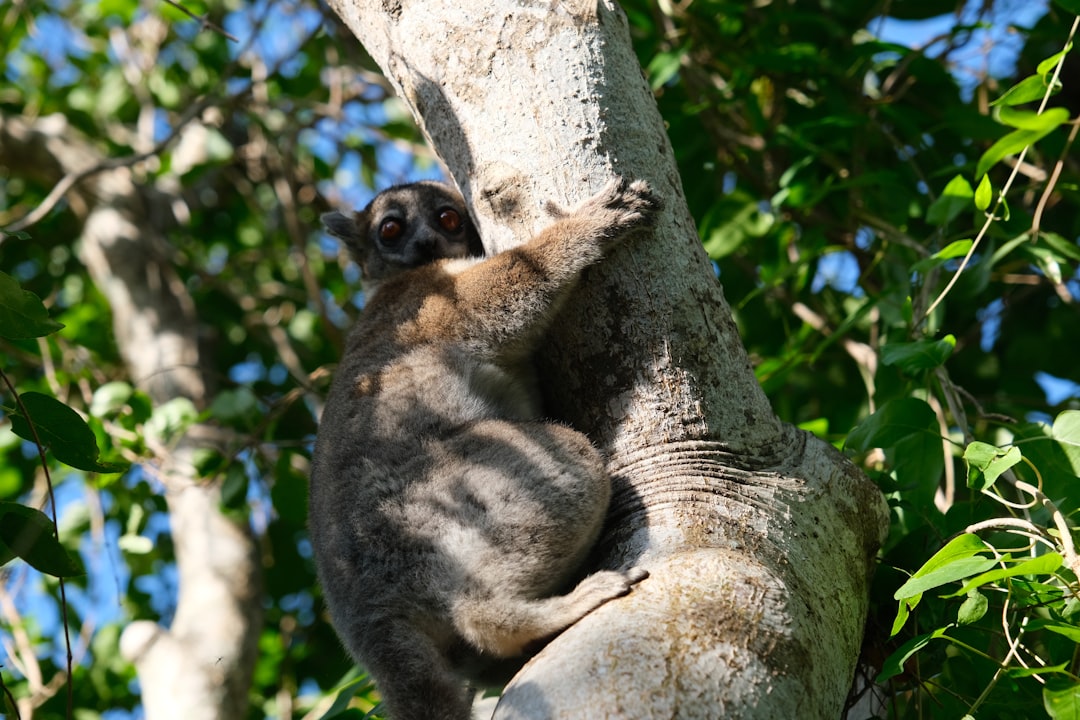
Wildlife highlights: Red-bellied lemurs, golden bamboo lemurs, and 29 other lemur species
Ranomafana National Park is one of Madagascar's most biodiverse rainforests, home to over 12,000 species of plants and animals found nowhere else on Earth. A 7-day safari combines guided jungle hikes, wildlife observation, and cultural experiences in this protected reserve.
This safari type is designed for travelers who want to immerse themselves in pristine rainforest. You'll spend your days hiking with local guides, spotting lemurs, chameleons, and rare birds. Your nights are spent in comfortable lodges with full meals and rest time.
Ranomafana National Park covers 41,600 hectares of lush vegetation in southeastern Madagascar. The park sits at elevations between 500 and 1,500 meters, creating distinct ecosystems and wildlife zones. Each zone reveals different species, making multiple hikes essential for a complete experience.
Why Choose Ranomafana for 2027?
Ranomafana offers something most African safaris don't: endemic lemurs and unique rainforest ecosystems. Unlike savanna safaris, you explore dense forests where every step reveals new discoveries. The park receives fewer tourists than other Madagascar destinations, offering a more intimate experience with nature.
The park's accessibility has improved significantly. Modern lodges now offer comfortable stays without sacrificing the wilderness experience. Guided hikes are well-established, and English-speaking guides are readily available in 2027.
Ranomafana also provides cultural immersion. Local Betsileo communities live near the park boundaries. You'll interact with villagers, learn about traditional practices, and support local economies through your visit.
Key Features of a Typical 7-Day Package
Most 7-day Ranomafana packages include the following elements:
6 nights in park lodges or nearby accommodations
Daily guided rainforest hikes (4–6 hours each)
Park entrance fees for all hikes
All meals (breakfast, lunch, dinner)
Transportation within the park
English-speaking naturalist guides
Optional cultural visits and activities
Small group sizes keep experiences personal. Most operators limit groups to 10 travelers or fewer [1]. This approach enhances wildlife encounters and allows guides to share detailed information about each species you encounter.
A typical 7-day Ranomafana safari follows a structured itinerary that maximizes wildlife sightings while allowing rest and cultural experiences. Days are filled with early morning hikes when lemurs are most active, plus evening activities and relaxation.
Day 1: Arrival in Antananarivo
Your safari begins in Madagascar's capital city. Most international flights arrive at Ivato International Airport in Antananarivo. You'll clear customs, collect luggage, and meet your safari operator's representative.
Spend your first day at a hotel in Antananarivo, recovering from travel. This gives your body time to adjust to the local timezone and altitude. Many operators include this night in their package cost.
Use the afternoon to visit local markets or rest at your hotel. Your guide will brief you on the upcoming days, answer questions, and provide information about what to pack and expect.
Day 2: Antananarivo to Ranomafana
Early morning departure from Antananarivo. You'll either take a domestic flight (1 hour) or drive (6–8 hours) to reach Ranomafana. Flying is faster but costs more; driving offers scenic views of Madagascar's highlands and rice paddies.
Along the drive route, you'll pass through Antsirabe, a charming mountain town. Many operators stop here for lunch and a quick town exploration. You'll see local crafts and learn about Betsileo culture.
Arrive at Ranomafana by late afternoon. Check into your lodge, meet your naturalist guide, and enjoy dinner. An evening orientation walk near your lodge often reveals nocturnal lemurs and insects.
Day 3: Full Day Rainforest Exploration
This is your first full day of hiking. Wake early (around 6:00 AM) for breakfast, then head into the forest by 7:00 AM when lemurs are most active. Your guide will search for red-bellied lemurs, the park's most iconic species.
You'll hike for 4–6 hours, stopping frequently to observe wildlife. Bring plenty of water and wear comfortable hiking boots. The forest floor is muddy and slippery, especially during rainy season (November–March).
Lunch is typically a packed meal eaten in a forest clearing. Afternoon rest time at your lodge allows you to recover and journal about your sightings. Evening brings another shorter walk to spot nocturnal species.
Day 4: Waterfalls and Secondary Forest Hike
Ranomafana means "hot water" in Malagasy, referring to natural hot springs within the park. Day 4 typically includes a hike to scenic waterfalls and secondary forest areas. These zones host different lemur species than primary forest areas.
You'll search for golden bamboo lemurs, one of the park's rarest primates. This species was rediscovered in Ranomafana in 1986 after being presumed extinct. Spotting them is a major highlight for many visitors.
The waterfall hike is moderately strenuous but rewards you with stunning views. Swimming in natural pools is often permitted. Bring a towel and change of clothes for this refreshing break.
Day 5: Cultural Village Visit and Leisure
Day 5 offers a lighter schedule, balancing physical activity with cultural immersion. Visit a nearby Betsileo village to learn about local life, agriculture, and traditions. You'll see rice paddies, traditional homes, and meet community members.
Many packages include a home-cooked meal with a village family. This experience directly supports local economies and provides genuine cultural exchange. Afternoon is free for rest, journaling, or optional activities.
Some operators offer evening presentations on Madagascar's ecology or wildlife conservation. These educational sessions deepen your understanding of the ecosystem you've been exploring.
Day 6: Premium Hike to Rare Species Zones
Your second-to-last day features a challenging hike to remote areas where rare lemurs concentrate. You might search for Milne-Edwards' sifaka or Aye-ayes, two of Madagascar's most elusive primates.
This hike requires good fitness levels and covers approximately 8–10 kilometers. Your guide uses binoculars and listens carefully for lemur calls to locate groups. Success isn't guaranteed, but odds improve significantly in October–November.
Return to your lodge by mid-afternoon. Evening is reserved for reflection, wildlife photos, and packing. Many travelers use this time to write thank-you notes or tips for guides and staff.
Day 7: Departure
Your final morning includes a last short walk near your lodge, often yielding new wildlife sightings. After breakfast and checkout, you'll travel back to Antananarivo or depart directly to your next destination.
Most 7-day packages end with Day 7 departure, though some operators add an extra night in Antananarivo for a more relaxed exit. This gives you time to purchase souvenirs and reflect on your experience.
This itinerary is flexible and varies by operator. Some include visits to nearby Isalo National Park or Anja Community Reserve as extensions. Always confirm the exact daily schedule with your tour operator.
A 7-day Ranomafana safari in 2027 costs between $1,500 and $3,500 per person, depending on lodge category, group size, and included services [2]. Understanding the cost structure helps you choose the right package for your budget.
Accommodation Costs
Lodge prices vary significantly based on comfort level. Budget lodges charge $40–$80 per night, while mid-range properties run $100–$200 per night. Luxury lodges exceed $250 per night.
A 6-night stay costs $240–$480 (budget), $600–$1,200 (mid-range), or $1,500+ (luxury). Most 7-day packages bundle accommodation with other services, spreading costs across the entire trip.
Hotel Thermal, a documented 21-room property, represents mid-range accommodation [4]. Centrest Sejour offers budget options with basic but clean facilities. Luxury lodges provide hot showers, excellent meals, and naturalist libraries.
Park Entrance and Guide Fees
Ranomafana National Park charges entrance fees per visit. Adult fees are approximately $20 per entry in 2027, though official rates may change [2]. A 7-day stay typically includes 4–5 park entries, totaling $80–$100.
Guide fees add $15–$30 per day depending on guide experience and group size. Over 7 days, expect to pay $105–$210 for guide services. Experienced naturalists command higher rates but provide superior wildlife knowledge.
These fees directly support park conservation and local guide livelihoods. Your payments fund habitat protection and anti-poaching efforts.
Food and Meals
Most packages include all meals. Budget packages estimate $10–$15 per meal ($180–$270 for 7 days). Mid-range packages allocate $20–$30 per meal ($420–$630). Luxury packages feature gourmet dining at $40+ per meal.
Meals feature local Malagasy cuisine plus international options. Rice is a staple at every meal. Seafood, tropical fruits, and fresh vegetables are abundant. Vegetarian and dietary restriction accommodations are available with advance notice.
Transportation
Transportation costs depend on your route. Domestic flights from Antananarivo to nearby towns cost $80–$150 per person. Ground transportation via private vehicle runs $200–$400 for the entire week.
Most mid-range packages include ground transportation within the cost. Budget packages may charge separately for airport transfers ($20–$40 each way). Luxury packages offer private vehicle options throughout your stay.
Complete Package Pricing Examples
Package Type
Total Cost per Person
Nightly Lodge Rate
Meals Included
Best For
Budget Safari
$1,500–$1,800
$40–$60
Basic, local
Cost-conscious travelers
Mid-Range Safari
$2,000–$2,500
$100–$150
Good variety
Most travelers
Luxury Safari
$3,000–$3,500
$200–$300
Gourmet dining
Premium experience seekers
These prices are per person for 2027 and assume 2–4 person groups. Larger groups (8–10 people) enjoy lower per-person costs. Solo travelers pay single supplements of 20–50%.
Budget an additional $200–$400 for expenses not included in packages. These cover tips for guides and staff (10–15% standard), souvenirs, photography permits ($5–$10), and personal items.
Travel insurance costs $50–$200 depending on coverage level. Many travelers overlook this, but it's essential for international trips. Comprehensive policies cover trip cancellation, medical emergencies, and evacuation.
International flights to Madagascar cost $600–$1,500 from North America or Europe. This is separate from your safari package. Book flights 2–3 months in advance for better rates.
Best Time to Visit Ranomafana in 2027
The best time to visit Ranomafana National Park is October through November when weather is dry and lemur activity peaks. This shoulder season offers optimal conditions for wildlife viewing without the crowds of peak months.
October–November: Peak Season (Recommended)
October and November feature mild temperatures (15–25°C), low rainfall, and excellent lemur visibility. Lemurs are active and vocal during this breeding season, making sightings more frequent and easier for guides to locate.
Vegetation is lush from previous rains, attracting lemurs to fruiting trees. Humidity is moderate, making hiking more comfortable. This period sees the most visitors, so book accommodations 3–6 months ahead to secure your preferred lodge.
Hotel availability remains good, and prices stay moderate. Expect $1,800–$2,300 per person for mid-range packages during this window.
December–March: Rainy Season
Heavy rainfall occurs from December through March, making hiking challenging. Muddy trails, slippery rocks, and limited visibility reduce wildlife sightings. However, fewer tourists visit during this period, offering more solitude.
Prices drop 20–30% during rainy season. If budget is your primary concern and you're comfortable with muddy conditions, this period offers value. Waterfall viewing is spectacular during heavy rains.
Malaria risk increases in this season. Consult your doctor about antimalarial medications if visiting December–March.
April–September: Dry Season (Secondary Option)
April through September brings dry conditions and comfortable temperatures. Lemur sightings remain good, though less reliable than October–November. Prices are moderate, and crowds are lighter than peak season.
May–July is winter in the Southern Hemisphere, with temperatures dropping to 10–15°C at higher elevations. Bring warm layers for early morning hikes. This season suits travelers avoiding peak season crowds.
August–September sees increasing tourist numbers as October approaches. Book accommodations 2–3 months in advance during this period.
Seasonal Considerations
Your visit timing affects wildlife viewing success. Lemurs breed in September–October, making them highly vocal and active. This increases sighting probability by 30–40% compared to other seasons.
Rainfall impacts hiking conditions more than temperature. Even during "dry" season, afternoon showers occur occasionally. Pack waterproof layers year-round.
School holidays (June–August in Northern Hemisphere, December in Southern Hemisphere) bring more family groups. If you prefer quieter experiences, avoid these periods.
Successful Ranomafana safaris require proper preparation and packing. The rainforest environment presents specific challenges that good gear helps you overcome.
Essential Hiking Gear
Invest in quality hiking boots with good ankle support and grip. Muddy rainforest trails demand footwear with deep treads and waterproofing. Break in new boots before your trip to prevent blisters.
Lightweight, moisture-wicking clothing keeps you comfortable during humid hikes. Pack long sleeves and pants to protect against insects and plants. Avoid cotton; choose synthetic or merino wool that dries quickly.
A reliable daypack (20–30 liters) carries water, snacks, and camera gear. Waterproof pack covers protect your belongings during rain. Bring at least 3 liters of water capacity per hike.
Binoculars are essential for wildlife viewing. Bring 8x42 or 10x42 models with good close-focus capabilities for spotting small lemurs. Quality optics cost $200–$400 but dramatically improve your experience.
Health and Safety Items
Consult your doctor 4–6 weeks before departure about vaccinations and antimalarial medications. Standard recommendations include yellow fever, typhoid, and hepatitis A vaccines.
Pack a comprehensive first-aid kit including blister treatment, insect repellent with DEET, and antihistamines for allergic reactions. Bring prescription medications in original containers with doctor's letters.
Sunscreen (SPF 50+), lip balm with sun protection, and a hat protect against strong equatorial sun. Wear sunscreen even on cloudy rainforest days, as UV rays penetrate cloud cover.
Camera and Photography Gear
Bring a quality camera with a telephoto lens (200mm or longer) for wildlife photography. Mirrorless cameras are lighter than DSLRs for all-day hiking. Pack extra batteries and memory cards; replacements are expensive in Madagascar.
Waterproof camera bags protect gear from rain and moisture. Lens cleaning supplies combat the humid rainforest environment. A tripod aids low-light photography of nocturnal species.
Documents and Money
Carry your passport, travel insurance documents, and vaccination certificates. Make photocopies and store digital versions in cloud storage as backups.
Madagascar's currency is the Ariary (MGA). Exchange money in Antananarivo before traveling to Ranomafana, as remote towns have limited ATM access. Credit cards are rarely accepted in rural areas.
Budget $50–$100 in cash for tips, souvenirs, and emergency expenses. Inform your bank of travel dates to avoid card blocks.
Choosing the Right Tour Operator
Selecting a reputable tour operator makes the difference between an average and exceptional safari. Look for operators with experience in Madagascar, strong guide training programs, and positive traveler reviews.
Key Operator Qualities
Experienced operators have deep relationships with local guides and lodge partners. They understand seasonal variations and can adjust itineraries based on current wildlife activity. Ask about guide training and naturalist certifications.
Small group size limits enhance personal attention. Operators limiting groups to 10 or fewer travelers [1] provide better wildlife encounters than larger groups. This also minimizes environmental impact on the forest ecosystem.
Transparent pricing prevents surprises. Quality operators clearly itemize what's included: accommodation, meals, park fees, guides, and transportation. Hidden charges indicate less professional operations.
Finding Verified Operators
SafariFind lists verified tour operators with authentic traveler reviews. Read multiple reviews to identify patterns in service quality, guide expertise, and value for money.
Look for operators with 4.5+ star ratings and 20+ reviews. Newer operators with fewer reviews may still be excellent, but established track records provide more confidence.
Contact operators directly with questions. Response speed and detail quality indicate professionalism. Ask for references from recent travelers and follow up with calls or emails.
Red Flags to Avoid
Avoid operators offering prices significantly below market rates. Unrealistically cheap packages often cut corners on guide quality, meals, or safety. You get what you pay for in safari tourism.
Be skeptical of operators with no online presence or outdated websites. Professional companies maintain current information and respond promptly to inquiries.
Operators requiring full payment upfront before confirming reservations are risky. Reputable companies request deposits (typically 25–50%) with balance due closer to departure.
Request insurance information. Legitimate operators carry liability insurance and can provide proof. This protects you if accidents or cancellations occur.
Key Takeaways
Book your Ranomafana safari 3–6 months ahead to secure preferred lodges and save 10–15% on early-booking rates for 2027 departures.
Visit October–November for peak lemur sightings and dry weather; this season offers 30–40% higher wildlife viewing success rates than other times.
Plan a total budget of $2,000–$2,500 per person for mid-range 7-day packages in 2027, including lodging, meals, guides, and park fees.
Pack quality hiking boots, waterproof gear, and binoculars; these essentials dramatically improve comfort and wildlife viewing during forest hikes.
Choose operators with 4.5+ star ratings and small group limits (10 people or fewer [1]); this ensures better guide quality and more intimate wildlife encounters.
Frequently Asked Questions
How much does a 7-day Ranomafana safari cost in 2027?
A 7-day Ranomafana safari costs $1,500–$3,500 per person in 2027, depending on lodge category and operator [2]. Budget packages run $1,500–$1,800, mid-range packages cost $2,000–$2,500, and luxury options exceed $3,000. Prices include accommodation, meals, guides, and park entrance fees.
What is the best time to visit Ranomafana National Park?
October through November is the best time to visit Ranomafana. This period features dry weather, mild temperatures, and peak lemur activity. Sightings are 30–40% more likely than other seasons. December–March brings rain and lower prices but challenging hiking conditions.
What lemur species will I see in Ranomafana?
Ranomafana is home to over 12 lemur species, including the iconic red-bellied lemur and rare golden bamboo lemur. You'll also spot Milne-Edwards' sifaka, ring-tailed lemurs, and several nocturnal species. Sightings aren't guaranteed, but odds exceed 80% with experienced guides.
Do I need vaccinations to visit Ranomafana?
Consult your doctor 4–6 weeks before departure. Standard recommendations include yellow fever, typhoid, and hepatitis A vaccines. Antimalarial medications are advised, particularly for visits during rainy season (December–March). Your health care provider will assess your individual risk factors.
Can I visit Ranomafana and other Madagascar destinations in 7 days?
Seven days is ideal for Ranomafana alone, but some operators combine it with nearby Isalo National Park or Anja Community Reserve in extended packages. A 10–14 day trip allows multiple destinations. Confirm exact itineraries when requesting quotes.
What should I pack for a Ranomafana safari?
Pack waterproof hiking boots, moisture-wicking clothing, a waterproof daypack, binoculars, and a camera with telephoto lens. Bring sunscreen, insect repellent, and a hat. Include prescription medications in original containers and copies of vaccination records. Most lodges provide basic toiletries, but bring personal preferences.
How do I book a verified Ranomafana safari package?
SafariFind connects travelers with verified tour operators specializing in Madagascar. Browse Ranomafana packages on SafariFind, read authentic traveler reviews, and request quotes from operators with 4.5+ star ratings. Compare prices, inclusions, and group sizes before booking.
Conclusion
A 7-day Ranomafana National Park safari in 2027 offers an unmatched opportunity to explore one of Earth's most biodiverse rainforests. With costs between $1,500 and $3,500 per person and wildlife sightings exceeding 80% during peak season, this adventure delivers exceptional value and unforgettable memories.
October through November represents your ideal travel window, combining comfortable weather with peak lemur activity. Mid-range packages ($2,000–$2,500 per person) balance comfort and affordability for most travelers. Small group sizes limited to 10 people or fewer [1] ensure personal attention from experienced naturalist guides.
Success depends on operator selection and proper preparation. Choose operators with verified 4.5+ star ratings and transparent pricing. Pack quality hiking gear, obtain necessary vaccinations, and bring binoculars for optimal wildlife viewing.
Compare verified Ranomafana safari packages on SafariFind today to find the perfect operator for your 2027 adventure. Read authentic reviews from past travelers, request detailed quotes, and secure your reservation 3–6 months ahead for the best rates and lodge availability. Your Ranomafana safari awaits.
Plan Your Safari with SafariFind
These recommendations use real data from SafariFind, where you can compare operators, browse packages, and read verified traveler reviews before you book.
5★ - "From start to finish, this tour was an unforgettable experience. When enquiring about planning this trip ,Tony was very responsive, informative and. answered all our questions as we went along .When my suitcase didn't ar" - Jane • Verified review
"From start to finish, this tour was an unforgettable experience. When enquiring about planning this trip ,Tony was very responsive, informative and. answered all our questions as we went along .When my suitcase didn't arrive in Madagascar Tony sorted it for me and negotiated with the airline on my behalf, going above and beyond and was very much appreciated Our guides were all knowledgeable, friendly, and punctual and clearly passionate about what they do, which made the whole trip both fun and informative. The itinerary was perfectly balanced — we saw all the major highlights without ever feeling rushed, and there were plenty of opportunities to take photos, ask questions, and just soak up the atmosphere. The transportation was comfortable, everything ran smoothly and on time, and as it was a private tour we were able to spend as little or as much time at each place as we chose. Every stop had something unique to offer, and the insider stories and local tips really brought the culture to life. It’s rare to find a tour that gets every detail right, but this one truly did, guides were on time , transfers were smooth, everything was flexible to our wishes. Hugh thanks to Tony, Sidney, Princee and Nico. The drivers were all awesome and we always felt safe despite some roads been very African massage- bumpy ! We left with amazing memories, beautiful photos, and a much deeper appreciation for the country. I’d recommend it to anyone looking for an authentic and enjoyable experience. We would do it again in a heartbeat!"
Jane•1/24/2026
5★ - "I highly recommend the Friendly Tour Guide Mada. The best cars I have seen on Madagascar, very clean, comfortable and modern. Drivers and tour guide are professionals! Very polite and helpful. Except 3 spots written in t" - Yevheniia • Verified review
"I highly recommend the Friendly Tour Guide Mada. The best cars I have seen on Madagascar, very clean, comfortable and modern. Drivers and tour guide are professionals! Very polite and helpful. Except 3 spots written in the description, expect visit to a very nice European restaurant with an amazing view! We are very happy, that we found this reliable tour operator. Thank you for everything ☺️"
Yevheniia•1/24/2026
5★ - "We have recently finished a 10 day tour of Madagascar in April 2025 using the operator “Madagascar Natural Tours” from start to finish it almost felt too good to be true, I have never met any one else from Australia who " - Savannah Lubke • Verified review
"We have recently finished a 10 day tour of Madagascar in April 2025 using the operator “Madagascar Natural Tours” from start to finish it almost felt too good to be true, I have never met any one else from Australia who has been to Madagascar so we were very hesitant in whether it would be safe and had no idea how to organise a holiday there or what to expect. Harilala was extremely professional and communicative the entire way and answered every single (too many) questions of ours and made us feel comfortable and excited. He planned our itinerary just perfectly we listed a couple of things we had wanted to see - baobab avenue, lemurs and Nosy Be. He organised our whole itinerary, accomodation and flights for us so that it flowed seamlessly. He provided options in accomodation as we were seeking honeymoon style resorts. The hotels that he booked were beautiful, clean, great food and lovely staff! We had a few internal flights in our itinerary and it was so nice stepping off the plane and trusting that there would be a guide there waiting for us to get us to our hotel. The few times during our stay we had a question regarding our tour, Harilala would reply to our messages almost immediately and paid very careful attention to ensure we were happy and getting the most out of our tour. Using Madagascar Natural Tours took all stress out of the holiday / planning and allowed us to just show up and make memories of a lifetime! I would highly recommend this company to anybody curious to explore Madagascar! Particularly if you do not speak French, we struggled with the language barrier however all guides had amazing English which was such a relief. We can’t wait to come back in a few years time!!"
Savannah Lubke•1/19/2026
5★ - "We entrusted Harilala with our Madagascar tour, explaining what we wanted to see and visit. What can I say? He exceeded our expectations! Besides the wonderful tour, Solo and Fidele, our tour leaders, made the difference" - Manuel • Verified review
"We entrusted Harilala with our Madagascar tour, explaining what we wanted to see and visit. What can I say? He exceeded our expectations! Besides the wonderful tour, Solo and Fidele, our tour leaders, made the difference. We spent 20 days in Madagascar, and they flew by; everything was fantastic. We'll definitely be back to see the southernmost part of the country."
Manuel•1/19/2026
5★ - "Our experience with the conpany was very positive. They arranged custom tour for us in very short time frame and everything went smoothly. Our driver took very good care of us and drove us safely around Madagascar even t" - Juho • Verified review
"Our experience with the conpany was very positive. They arranged custom tour for us in very short time frame and everything went smoothly. Our driver took very good care of us and drove us safely around Madagascar even though the roads are not in very good condition. They have english speaking drivers for those whi don't speak french. Owner of the company is very active on whatsapp and Facebook, so it is veey easy to get information about tours. Would recommend."